Author: Georgina Young – Early Years Specialist

  • What Inspires You?

    What Inspires You?

    Inspiration is everywhere — sometimes loud and life-changing, sometimes quiet and steady. Often, we don’t even realise we’ve been inspired until we look back and see how far we’ve come, guided by the encouragement, belief, or example of someone else.

    Throughout my life, I’ve been surrounded by people who have inspired me, lifted me up, and encouraged me to be the best I can be. My family is full of incredible individuals, and I count my lucky stars every day that they’re such a special part of both my life and my children’s lives. From them, I’ve learned about resilience, love, humour, and the value of showing up for one another — lessons that have shaped who I am, both personally and professionally.

    But my inspiration hasn’t stopped there.

    There have been special friends who’ve walked with me through life’s ups and downs. There have been brilliant teachers who saw something in me — who invited me to take additional GCSEs, who encouraged me to pursue further qualifications, who planted seeds of confidence at times I didn’t even realise I needed them. And now, as I look around at the early years community I’ve found myself part of, I’m constantly inspired by the people I meet — educators who pour their hearts into their work, creating rich, meaningful childhoods for the little ones in their care.

    When I decided to become a childminder, it was after a period of deep personal reflection — particularly following the complicated birth of my youngest. Childminding was something I had considered for many years, but life (and a good dose of self-doubt) always seemed to get in the way. After his birth, I realised that life is too short to keep waiting. I wanted to build something that worked for my family and filled my heart — so I took the leap.

    As I began exploring what childminding could look like, I stumbled across some incredible pages and profiles online. They weren’t flashy or commercial — just full of passion. You could feel it in their words, in the love behind the photos, in the intentionality of the spaces they created. I was in awe of the thoughtfulness, the warmth, and the deep care that radiated from these settings. It was inspiring.

    Since then, I’ve come across hundreds — probably thousands — of passionate, dedicated childminders and early years educators. People who give their all to ensure children feel safe, loved, and seen. People who understand that childhood isn’t just preparation for life — it is life.

    Whether it’s designing beautiful, inviting play spaces, planning meaningful, interest-led experiences, heading out on muddy adventures, or simply being that constant, trusted grown-up in a child’s world — what you do matters. You are shaping lives. You are holding space for families. You are showing up, day after day, even when it’s hard.

    I’ve had the privilege of connecting with so many of you — in person, online, in passing conversations and deep discussions. And I truly hope those connections have planted seeds of friendship too. One of the things I treasure most about this work is the way it brings kind, passionate people together — people who care not only about children, but about each other.

    So to all of my followers, to every childminder, nursery practitioner, and early years professional reading this:

    I see you.
    I see the early starts, the late finishes, the careful planning.
    I see the hours spent researching, reflecting, adjusting, and adapting.
    I see the energy you pour into your environments, the way you tailor your care to each unique child.
    I see the cuddles, the encouragement, the gentle redirections, the joyful laughter.
    And I also see the doubts. The loneliness. The financial worries. The weight of feeling unseen or undervalued in a sector that is often misunderstood.

    Please know this: you inspire others.

    Whether you’ve been doing this for decades or are just finding your feet, the love and care you give matters more than you may ever know. Someone out there is watching your work — learning from you, feeling encouraged by your example, reminded not to give up.

    So whatever — or whoever — inspires you, hold onto it. Let it be your anchor on the hard days and your spark on the good ones.

    And if no one’s told you lately:
    You are doing something incredible.
    And you are truly amazing. 

    Leave a comment

    Pages: 1 2

  • The Words We Choose: Language, Connection and Childhood

    The Words We Choose: Language, Connection and Childhood

    Not long ago, one of the children in my care was having a quietly difficult morning. There hadn’t been a dramatic outburst or any obvious signs of upset — just a certain stillness in their shoulders, a withdrawn glance, a subtle shift in their play. When I knelt beside them and gently asked how they were feeling, they paused, looked up, and with a quiet voice and simple Makaton signs, they told me: sad.

    In that moment, everything else faded. They trusted me enough to let me in — not with perfect grammar or complicated explanations, but with a small word and a few meaningful signs. And that was all we needed. I mirrored their words, offered comfort, acknowledged the feeling, and gave time. A few minutes later, after our quiet, respectful connection, they leaned in for a cuddle and told me they felt happy.

    Language in the early years is never just about words. It’s about connection, understanding, and helping children feel truly seen.

    Language as an Emotional Bridge

    From the very first gestures and babbles, communication is an emotional act. It’s how children reach out to connect — to be understood, to belong, to share their inner world. In early years settings, we are not just supporting speech and vocabulary; we’re nurturing confidence, trust, and the beginnings of self-expression.

    Whether it’s through spoken language, Makaton, body language, or imaginative play, every child deserves to be heard — in the way that makes sense for them. That means slowing down, tuning in, and remembering that listening is just as powerful as speaking.

    Supporting Early Communication

    A rich language environment isn’t one filled with endless chatter — it’s one full of meaning. Children need us to model language thoughtfully: describing what they’re doing, naming feelings, narrating the day in a gentle rhythm that helps them make sense of the world.

    In my setting, Makaton plays an important role. It gives children another way to communicate, especially when their speech is still developing or their emotions feel too big for words. It empowers them to be part of their world, not just observers of it.

    The Power of Children’s Voices

    Children are full of ideas, questions, stories, and feelings. Honouring their voices means creating space to hear them — not just when it’s convenient, but always.

    This might be pausing to really listen when a child is explaining their block tower, giving them the language to name a feeling, or simply validating their choices. Voice isn’t always verbal — sometimes it’s found in play, in art, in silence. But it’s always there.

    Respectful Narratives and the Language We Model

    Language shapes how we see others — and how they see themselves. That’s why I choose my words carefully when speaking about children, especially around them. I avoid labels, especially negative ones, and instead focus on behaviours, feelings, and needs.

    In the early years, most educators know the importance of moving away from words such as “naughty“. It’s far more constructive and respectful to focus on what a child is expressing through their behaviour — whether we’re encouraging something positive or gently guiding them away from something less helpful. Children are always more than a moment.

    Stories That Bring Us Together

    Books and stories are another powerful part of our language landscape. They build empathy, spark curiosity, and help children make sense of themselves and the world. We read every day — not just for literacy, but for connection. There is something quietly magical about a child leaning in as you read a well-loved book, their body softening as they lose themselves in story. These moments matter.

    A Final Thought

    The words we choose matter. They build connection, foster confidence, and create the emotional blueprint for how children relate to themselves and others.

    Whether we’re signing happy with a small hand gesture, whispering reassurance after a big feeling, or narrating a story in the garden, our language helps children feel safe, respected, and deeply understood.

    And that’s the beginning of everything.

    Leave a comment

  • The Things They Teach Me

    The Things They Teach Me

    Lessons from little ones — and how they’ve helped me grow, too.

    When I began my journey in early years education, I stepped into it with open arms — ready to nurture, guide, and support children as they grew. Over the years, I’ve worked across many settings, met so many little personalities, and carried countless memories in my heart.

    But what I didn’t fully realise back then was this: the greatest growth wouldn’t just happen in the children I cared for. It would happen in me.

    With every setting I’ve worked in, every child I’ve met, every parent I’ve partnered with, I’ve learned something new — not just about early childhood, but about myself.

    And just as the children have been my greatest teachers, so too have the educators I’ve walked alongside.

    I’ve had the privilege of working with passionate, inspiring professionals whose creativity, care, and commitment have left a lasting mark on me. From the quiet strength of a calm presence to the playful spark of a well-timed idea — I’ve witnessed first-hand how powerful our impact can be when we’re connected and intentional in our practice. And like all of us, I’ve had moments that reminded me what I chose not to carry forward — lessons that nudged me closer to the practice I now hold dear. And I’m constantly reminded that when we learn from one another — the good and the hard — we grow stronger as a sector and better for the children we serve. It’s this shared journey of reflection, connection, and continuous growth that makes our work so meaningful — and so worth celebrating.

    Becoming a parent changed everything again. It shifted my lens. It softened some parts of me, strengthened others. It gave me a deeper compassion, a new kind of patience, and a far greater understanding of just how much we hold — as caregivers, as humans — in the everyday.

    Children have become my everyday teachers.

    They’ve taught me to:

    • Slow down and see magic in the mundane — in the dance of leaves, the wonder of worms, or the joy of mixing mud.
    • Let go of perfection and find meaning in mess, beauty in the becoming.
    • Value emotions, not rush them away — to make space for feelings, and show up with empathy.
    • Keep growing, just like them — wobbly step by wobbly step.

    In their play, I see purpose.
    In their words, wisdom.
    In their trust, a reminder that this work we do matters deeply.

    We speak often of preparing children for the world — but the truth is, they prepare us for something, too. They awaken something in us: a gentleness, a presence, a purpose. Now, with each passing year, I realise how much I’m still learning — how much more whole I am because of the children and educators who’ve walked through my life.

    So, whether you’re a parent, an educator, or someone who shares space with children, I hope you remember this: you are shaping them, yes.
    But they are shaping you too — in the most beautiful, unseen ways.

    Leave a comment

  • Filling Their Banks: How Tiny Moments Build a Kinder World

    Filling Their Banks: How Tiny Moments Build a Kinder World

    here’s a beautiful analogy I heard recently that’s stayed with me ever since. It came from Gable House Nursery, and it goes like this:
    Every child has a bank.
    As early years educators, we are responsible for filling it — with moments, memories, first experiences, and feelings that will shape their inner world for the rest of their lives.

    And when I heard that, I thought: Yes. That’s it. That’s exactly what we do.

    We may not always realise it in the rush of routines or the mess of muddy wellies — but every time we kneel down to listen, every time we sit beside a child in their joy or frustration, every time we make space for their questions, their wonder, their play — we are making a deposit.

    And these deposits matter. Because one day, when that child grows up and the world feels hard or uncertain, they’ll have something to draw on. A sense of worth. A memory of being loved. An instinct that tells them: You are seen. You are safe. You are enough.

    That’s the kind of investment we’re making.

    And perhaps more than ever, our world needs that.
    It needs children who grow up feeling emotionally full — so they don’t spend adulthood searching for what they never received. It needs children who’ve known kindness, patience and acceptance — so they can carry those things forward into their relationships, communities, and choices.

    Because when we fill a child’s bank, we’re not just shaping one little life — we’re shaping the future.

    But it’s not just about emotional deposits. It’s also about broadening their world — offering children meaningful experiences that build their sense of identity, connection, and possibility.
    This is the heart of cultural capital — those precious moments and encounters that help children make sense of the world around them, feel part of something bigger, and grow into themselves with confidence.

    So how do we do that? How do we fill these invisible banks in ways that truly last?

    These do not always need to be found in grand gestures or expensive outings.
    But with the tiny, ordinary, everyday things — and by offering children experiences they may never have had the chance to encounter before:
    • The thrill of splashing in a muddy puddle for the very first time.
    • The wonder of holding a snail, planting a seed, or mixing a cake from scratch.
    • The discovery of new words, new stories, new rhythms — shared across cultures and generations.
    • The joy of belonging — of being part of a celebration, a tradition, a shared moment of meaning.

    These are powerful forms of cultural capital — experiences that enrich, connect, and help children feel rooted in both who they are and who they’re becoming.

    They may also be found in those moments of connection, those moments that you show a child they truly matter, how much you care, and how special they are:

    • The warm eye contact when they tell a story.
    • The unhurried time spent spotting worms or clouds.
    • The quiet “I see you” in moments of struggle.
    • The comfort of routines, the spark of curiosity, the laughter that bubbles up mid-play.
    • The way we believe in them — even when they’re still learning how to believe in themselves.

    These are also the real riches of childhood.
    These are the moments that stay.

    We may never see the full impact of our work — not in certificates, not in test scores.
    But we see it in their joy, their growth, and the beautiful, kind-hearted humans they are becoming.

    So to all of you who show up for children — educators, childminders, parents, grandparents, key workers and co-regulators — thank you.
    Thank you for every tiny deposit. For every ounce of emotional labour. For every patient pause and playful invitation.

    You are building a kinder world.
    One connection, one moment, one full little bank at a time.

    Leave a comment

  • Dandelion Sensory Playdough – Simple Play to Spark Big Magic

    Dandelion Sensory Playdough – Simple Play to Spark Big Magic

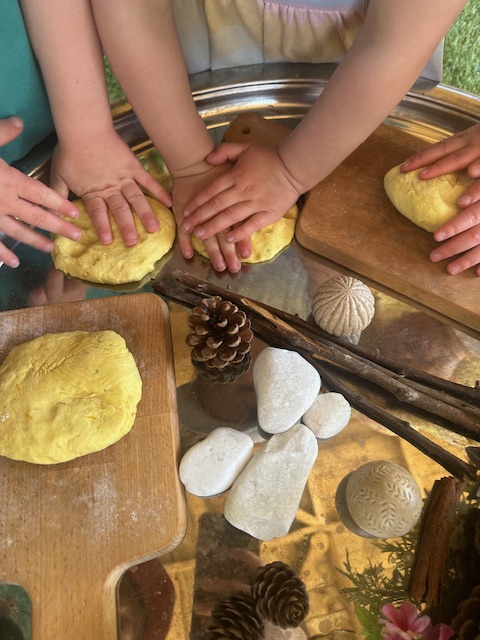
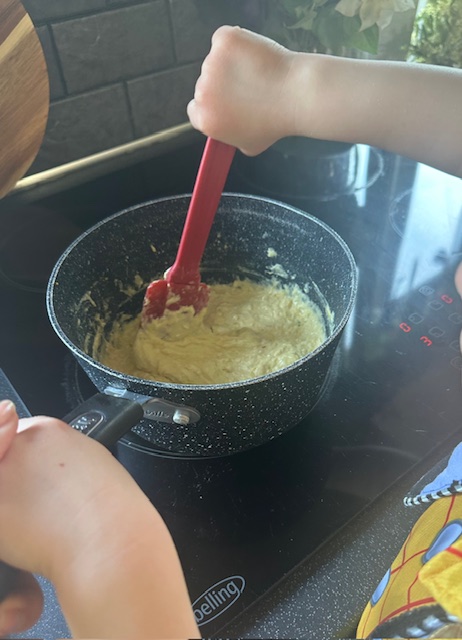
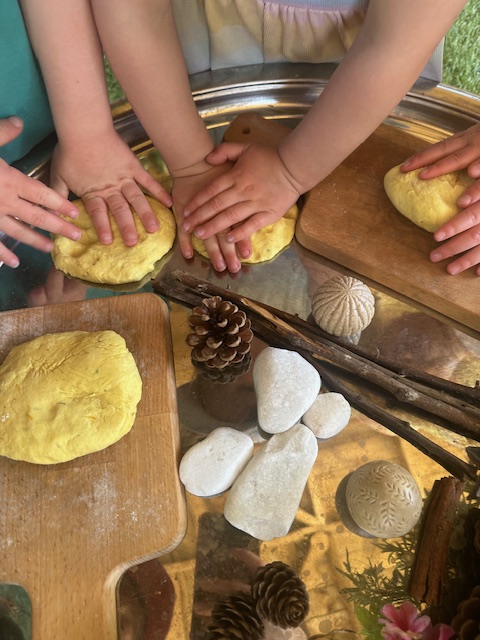
    This nature-inspired sensory activity is perfect for spring and celebrates the simple joy of playing with what the season offers. Using dandelions collected by the children, we create homemade playdough together — combining fine motor skills, sensory exploration, and a love for nature in one calming invitation to play.


    You will need:

    • Collected dandelions (Just make sure to leave some for the butterflies and bees – Dandelions are the most important first nectar and pollen sources for beneficial insects).

    (Here is a basic homemade playdough we use but there are many other simple recipes available and other methods of making it, that you may like to try or adapt)

    • 2 cups plain flour
    • 1 cup salt
    • 2 tbsp cream of tartar
    • 2 tbsp oil
    • 1.5-2 cups hot water cooked over a low heat
    • Optional: A few drops of lemon or lavender essential oil for additional scent

    How to make it:

    1. Prepare the dandelions: Let the children help gently pull apart the petals — this is a sensory experience in itself!
    2. In a bowl, mix the dry ingredients together and 1/2 of the dandelion petals.
    3. Add the oil and hot water and stir over a low heat until it forms a dough (please remember to discuss safety rules with your Young Ones if they are using the hob – there are also no cook recipes that you can use, if you are not able to safely cook your dough).
    4. Add the remaining dandelion petals and knead well (once suitably cooled).
    5. Enjoy the gentle texture and sensory experience!

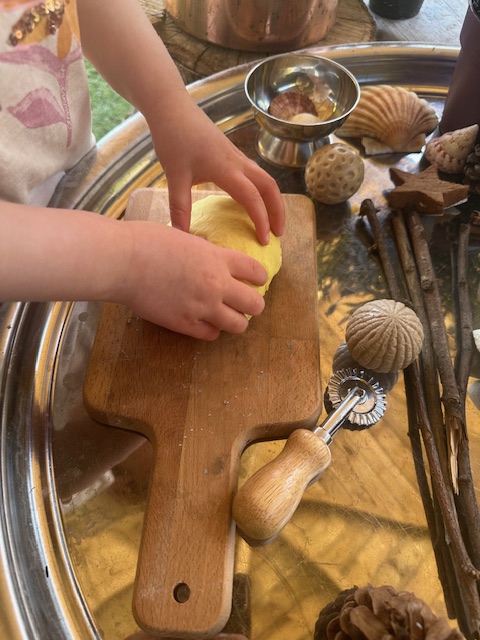
    Creating an invitation to spark curiosity and excitement – Suggestion for a natural and simple invitation to play… Offer the dandelion playdough with natural loose parts (sticks, pebbles, leaves, pine cones, more dandelions, small wooden bowls and/or cutters)
    No agenda, just open-ended sensory play.


    Learning Outcomes:

    • Understanding the natural world – identifying and gathering seasonal flowers. You can also use this as an opportunity to learn more about this amazing plant… For example: did you know the whole of a dandelion is edible and it actually contains more nutrients than most common vegetables (how amazing is that)?!
    • Fine motor development – Mixing, kneading, moulding, squishing, rolling, and pinching playdough strengthens small muscles in the hands and fingers, which supports handwriting and other fine motor tasks. That’s without mentioning the hand-eye co-ordination and fine motor skills used to collect and pull apart the dandelions.
    • Sensory exploration – engaging touch, smell and sight in calming ways.
    • Language and communication – talking about textures, colours and the nature around them. Sensory play is also a great opportunity to incorporate new language and to use lots of fantastic adjectives.
    • Emotional wellbeing – using nature-based play to ground, relax and calm.
    • Creativity and Imagination – Children can create anything from insects and animals, to imaginary creatures, encouraging imaginative play and storytelling.

    This activity is as much about the process as the product. It encourages connection, mindfulness, and creativity — while nurturing a lifelong love for nature, right from the earliest years.

    🌼 Because the biggest memories are often made in the smallest, most natural moments.

    Leave a comment

  • Top Tips for Treasure Baskets: Inspiring Curious Minds Through Sensory Play

    Top Tips for Treasure Baskets: Inspiring Curious Minds Through Sensory Play

    What is a Treasure Basket?

    A treasure basket is a simple yet powerful play resource designed for babies and young children, particularly those in the sensory-motor stage of development. It’s essentially a shallow basket filled with a carefully selected variety of everyday objects, chosen to stimulate all the senses — things to touch, smell, shake, look at and even mouth.

    Rooted in heuristic play, treasure baskets allow children to explore and discover at their own pace. There are no instructions, no right or wrong ways to play — just curiosity, choice and wonder. This kind of exploration builds early cognitive development, fine motor skills, concentration and confidence.


    What to Include in a Treasure Basket

    The beauty of treasure baskets lies in their simplicity. Most of the best items are inexpensive and often already found around the home or setting. When choosing objects, think natural, sensory, household, and safe.

    Natural Materials

    • Pine cones
    • Loofahs
    • Smooth driftwood/log slices
    • Dried fruits (whole/slices)
    • Large shells

    Metal and Wooden Objects

    • Wooden spoons
    • Curtain rings
    • Measuring cups
    • Stainless steel tea strainers
    • Bangles

    Sensory & Reflective Items

    • Old CDs/DVDs
    • Sensory bottles (filled with water, beads, rice etc.)
    • Crinkly foil or emergency blankets
    • Fabric scraps (silk, velvet, cotton)

    Themed Treasure Baskets: Play with Purpose

    Treasure baskets can be adapted to suit themes or learning focuses, helping keep play fresh and relevant.

    Colour Focus

    Create a colour themed basket by collecting a number of everyday coloured objects – stimulating the child/baby’s sense of colour recognition and visual exploration. It might include:

    • sensory scarves
    • Coloured balls
    • Whole fruit/vegetables (eg. a carrot for orange)
    • Sensory bottles

    Seasonal Exploration

    An autumn basket might include:

    • Crunchy leaves
    • Conkers
    • Cinnamon sticks
    • Pine cones

    Sound Discovery

    Include objects that make interesting sounds:

    • Bells
    • Rice shakers
    • Wooden castanets
    • Maracas

    These themes can gently introduce concepts like colours, seasons, and cause and effect, all through hands-on exploration.


    Treasure Baskets for Older Early Years Children

    Treasure baskets aren’t just for babies — they can evolve with the child. For older early years Young Ones, consider transforming them into discovery baskets or story baskets, filled with open-ended, curiosity-sparking items.

    Pirate Adventure Basket

    • Mini treasure chest
    • Coins, beads and old keys
    • Maps (you could include paper and pencils to create their own too!)
    • Shells

    Nature & Discovery Basket

    • Fossils, stones or replicas
    • Pine cones and bark
    • Magnifying glasses
    • Notebooks for observations

    Texture & Pattern Basket

    • Embossed tiles or textured rollers
    • Fabric swatches
    • Natural materials for printing or rubbings
    • Play dough for imprinting

    These baskets provoke deeper thinking, storytelling, role-play, and early scientific inquiry — perfect for education settings or at-home learning.


    Incorporating Books: A Literacy Boost

    Pairing a themed basket with a book adds a rich literacy element, connecting language and sensory play.

    Example Pairings:

    • Pirate basket“Ten Little Pirates” or “We’re Going on a Treasure Hunt”
    • Nature basket“A Rock is Lively” or “Peep Inside the Forest”
    • Colour basket“Brown Bear, Brown Bear, What Do You See?” or “Wow! Said the Owl”

    Read the book first, or explore the basket and then dive into the story and allow the children to look at the books independently too. This dual-sensory experience helps children link language, ideas, and objects — and encourages storytelling and comprehension.


    Sustainability in Play: Treasure the Earth, Too

    Treasure baskets are not only child-friendly — they can be planet-friendly, too. Instead of buying plastic toys, re-use and repurpose household items, making your basket both sustainable and affordable.

    • Old kitchen tools like whisks, pastry brushes, and silicone muffin cases make great sensory items
    • Reuse fabric scraps, ribbons or natural finds like pebbles and shells
    • Visit charity shops or car boot sales for unusual treasures

    This not only helps reduce waste but also teaches children the value of sustainability and the creativity of reusing.


    Final Tip

    Rotate items every week or two to keep interest fresh. Observe how children engage — what they’re drawn to, what they ignore — and adapt accordingly. The best treasure baskets respond to the child’s curiosity, not the other way around.

    Treasure baskets celebrate curiosity, nurture development, and remind us that the simplest things often bring the greatest joy. Whether you’re a parent at home or an educator, these little collections of wonder offer endless opportunities for learning, connection, and discovery.

    DISCOUNT OFFER – The Little Coach House has kindly offered our blog readers a discount off their amazing resources (including the beautiful mindfulness heart board pictured in the treasure basket)! QUOTE: YO10 at checkout to receive your fabulous discount.

    Leave a comment

  • The Power of Child-Led Play: Why Following Children’s Interests Matters

    The Power of Child-Led Play: Why Following Children’s Interests Matters

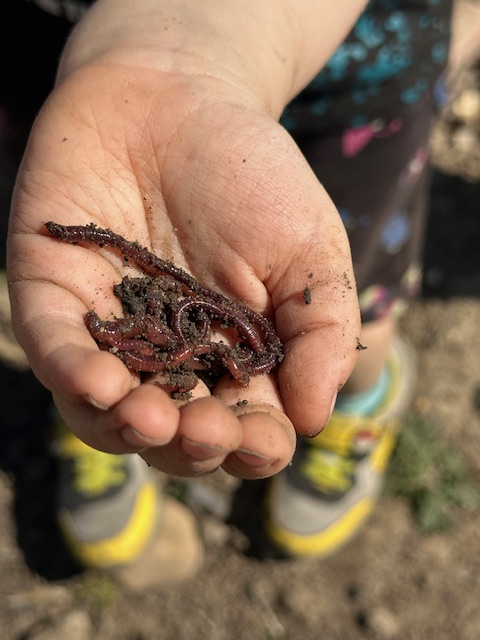
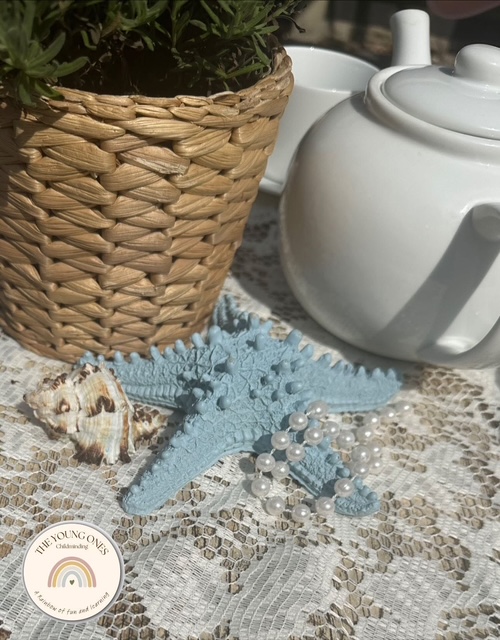
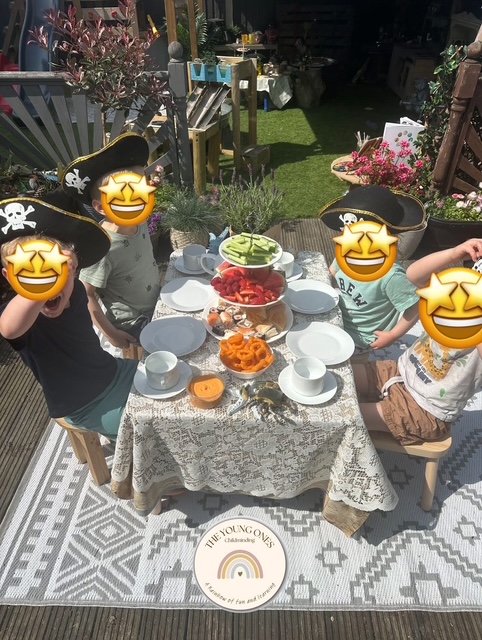
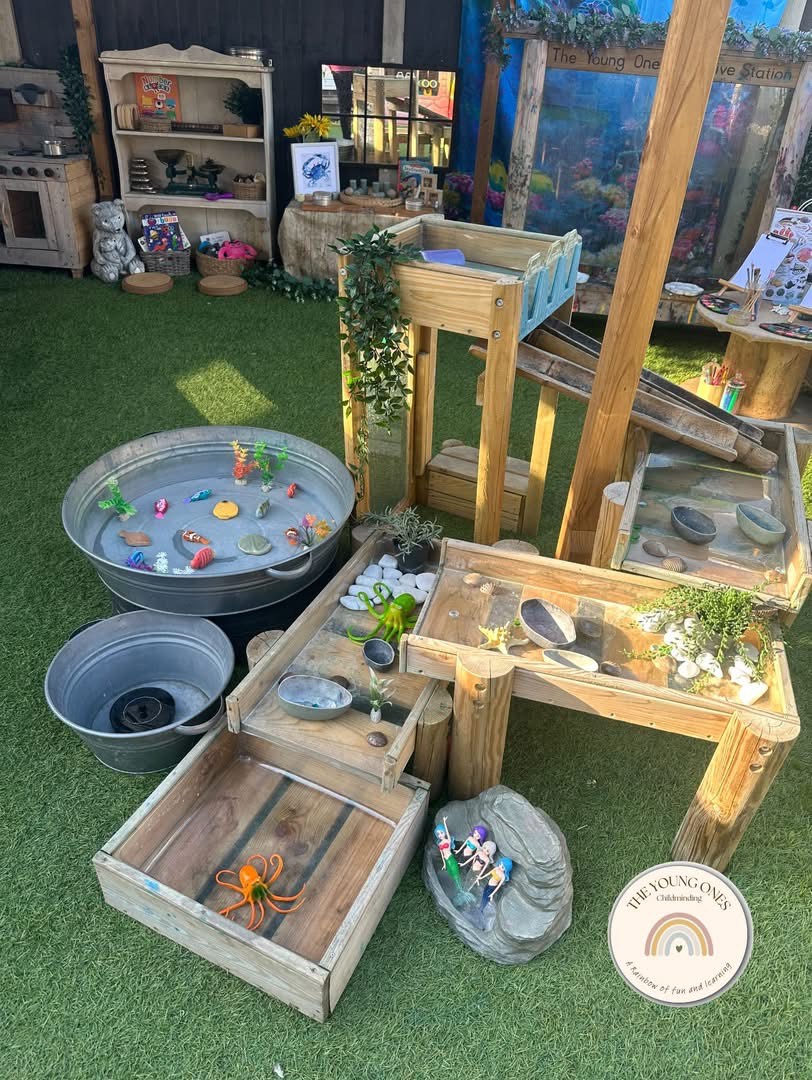
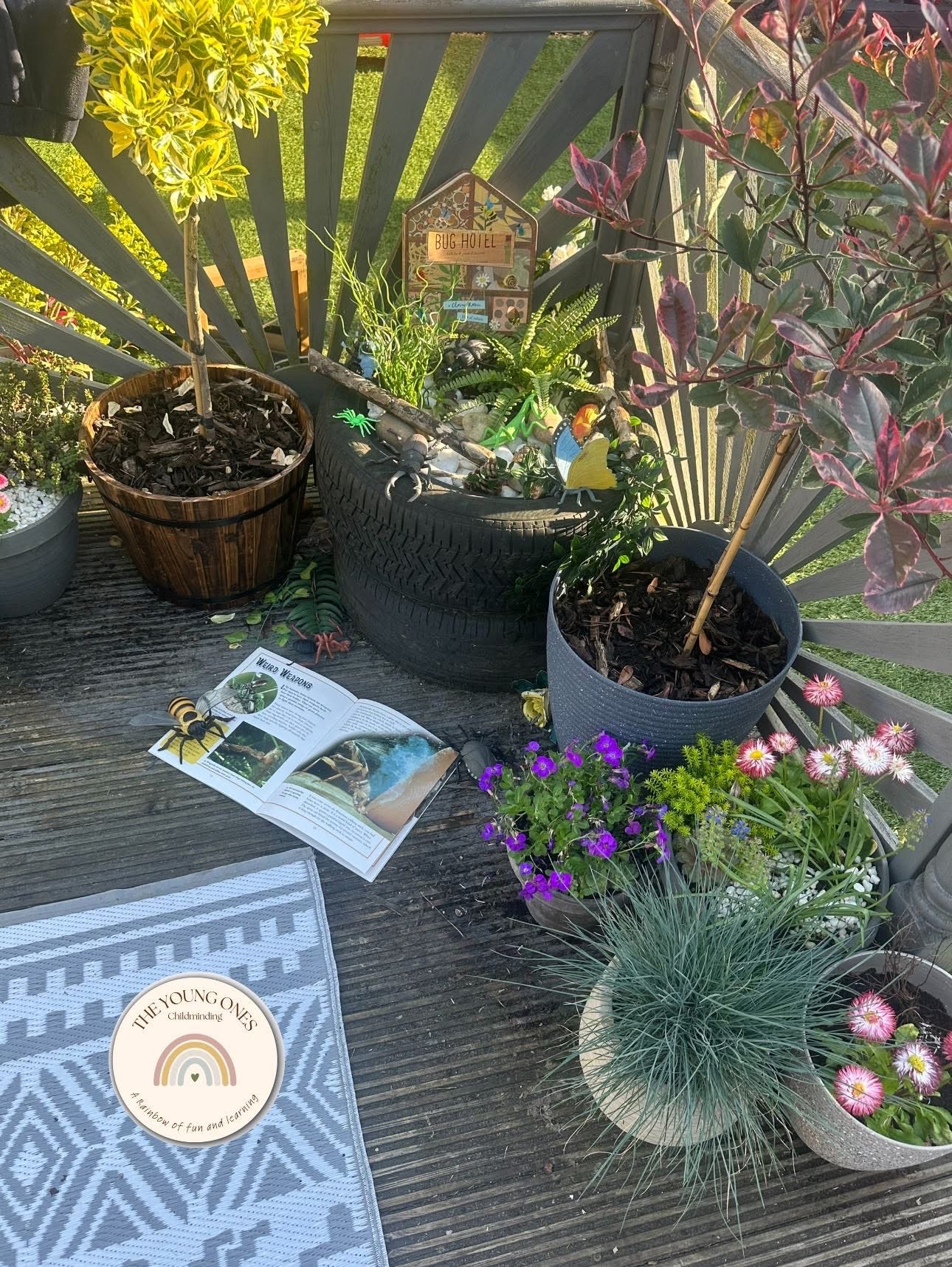
    This week in our setting, we’ve journeyed through all kinds of learning adventures. Our Young Ones discussed worms and, before long, the children had sparked a full-on nature investigation adventure and helped create their very own wormery. Meanwhile, our interest-led under-the-sea inspired learning invitations flowed into joyful pirate play — which, in true child-led spirit, ended in a self-declared “pirate tea party.” We walked to the local shop, where the children proudly chose sushi because, in their words, “pirates like fish.”

    These moments weren’t adult-designed or prescribed — they were born from the children’s imaginations, curiosities, and play. And as an early years educator, there’s nothing better than knowing that their learning is not only deep and meaningful, but also incredibly fun and relevant to them.

    After all, when children are engaged in play that excites and interests them, they don’t just learn — they thrive.


    What Is Child-Led Play?
    Child-led play is exactly what it sounds like: play that is initiated, directed, and sustained by the child. As educators, our role is to tune in — to notice what interests them, what stage they’re at, and what they need in order to extend their ideas further.

    Rather than taking the reins, we become thoughtful observers, gentle guides, and curious co-learners. We provide the environment, the materials and the emotional safety — but the learning path? That’s theirs to walk.


    Why Is It So Important?

    • It meets children where they are. Instead of pushing concepts they’re not ready for, we support the learning they’re naturally driven toward — making it more meaningful and developmentally appropriate.
    • It builds intrinsic motivation. When children are in control of their play, they’re more likely to stay focused, engaged and joyful in their learning.
    • It supports deeper learning. Real connections happen when children are truly interested — whether they’re twiddling a leaf, building a den or role-playing life as they see it. These aren’t just ‘games’. They’re opportunities to process emotions, explore new concepts and grow essential life skills.
    • It nurtures confidence and autonomy. Children learn that their ideas matter. That they can lead, decide, and explore at their own pace — and be respected for it.

    Our Role as Educators
    Child-led play doesn’t mean stepping back entirely. It means stepping in at the right moments — offering vocabulary, extending ideas, providing a new material at just the right time, or reflecting later with the child.

    It’s about understanding that the child is the curriculum — and trusting in their ability to learn through play when given the time, space and support.


    A Gentle Reminder
    Every setting is different, but in ours, child-led learning is at the heart of everything we do. We meet children exactly where they are and we build from there — gently, respectfully and with curiosity.

    Because when learning is joyful, meaningful and rooted in play, it doesn’t just stick — it sings.

    Leave a comment

  • This is More Than a Job – This is My Passion. 

    This is More Than a Job – This is My Passion. 

    Halfway through my tidy-down and reset for the next day, I was suddenly hit by a wave of emotion – an overwhelming feeling of contentment and gratitude.

    I paused and looked around our garden learning space. All around me were the beautiful remnants of the day’s joy, exploration and learning. I had just washed the paint off the Perspex easel and restocked the creative area. I thought back to the water play, where the children had dived deep into their undersea imaginative world and the creative masterpieces made in the kitchen.

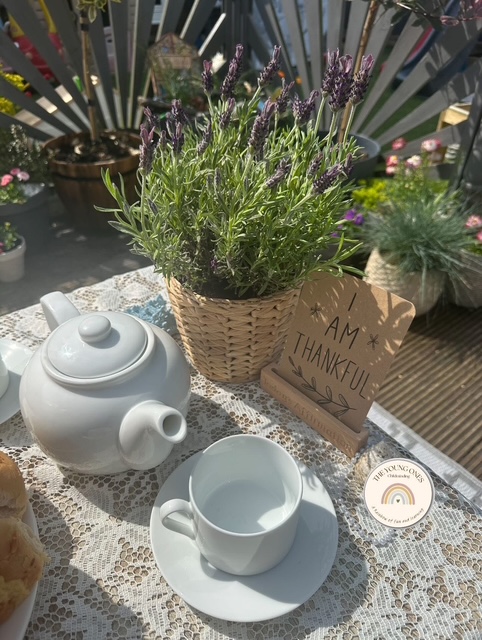
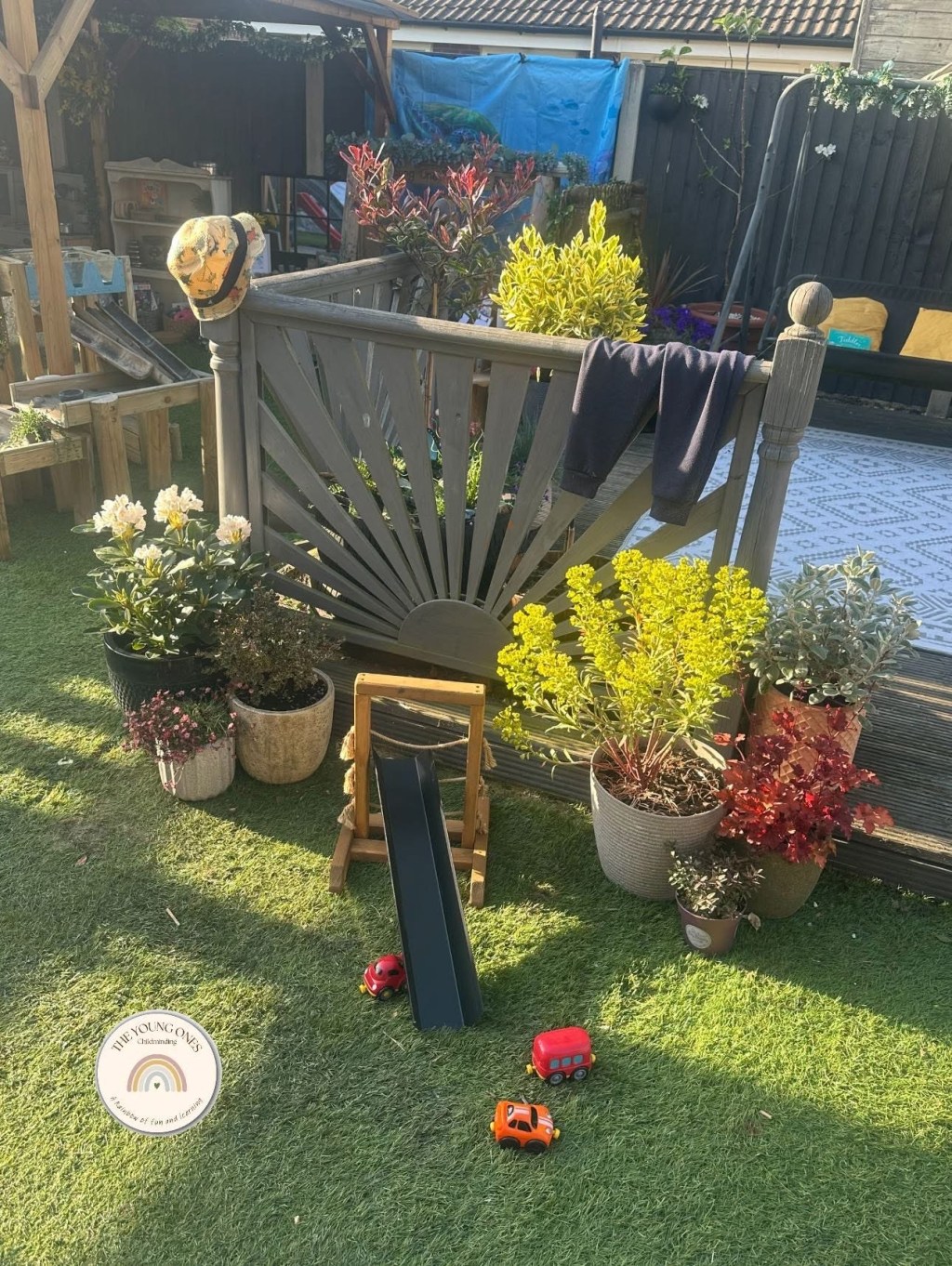
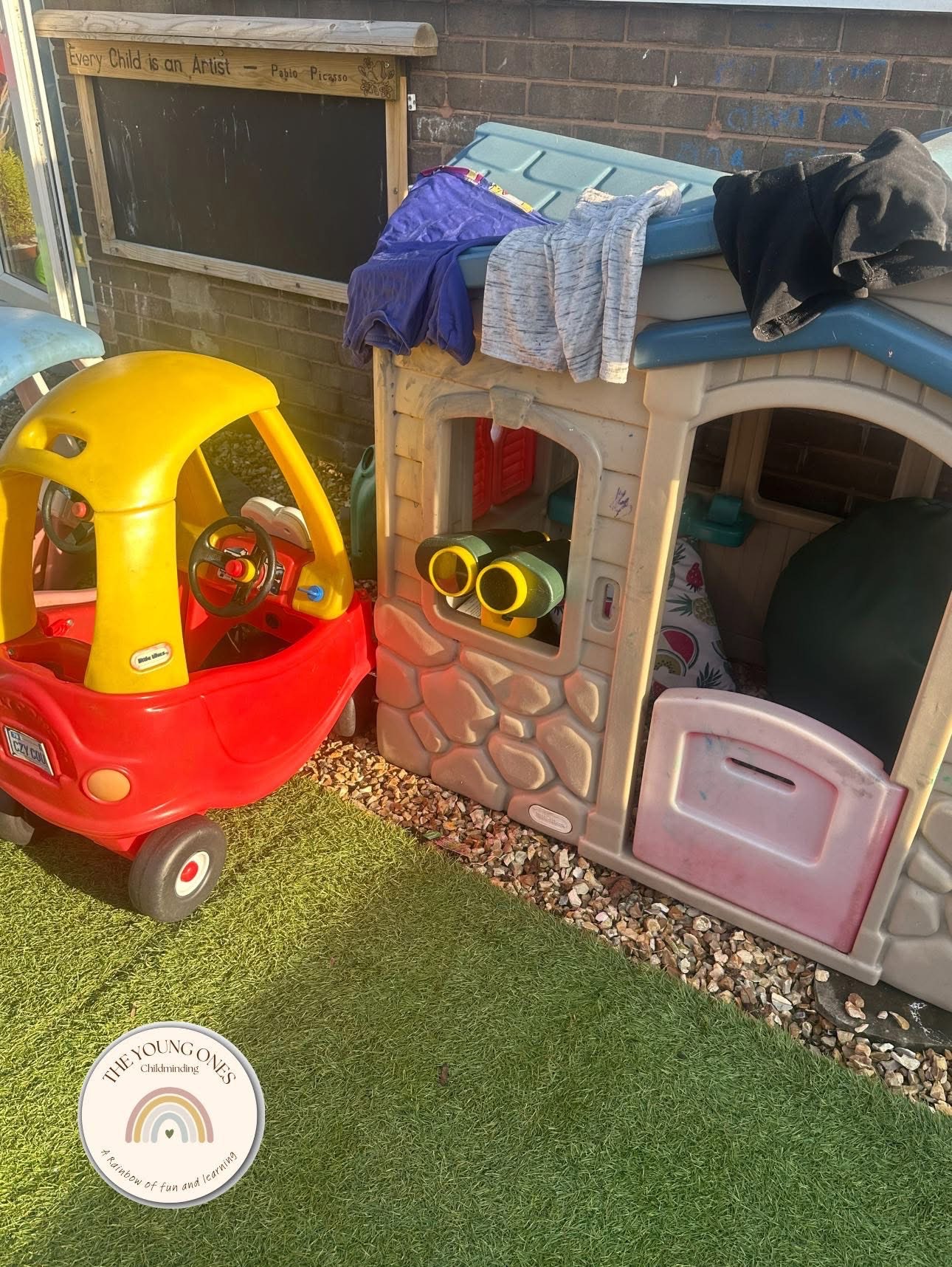
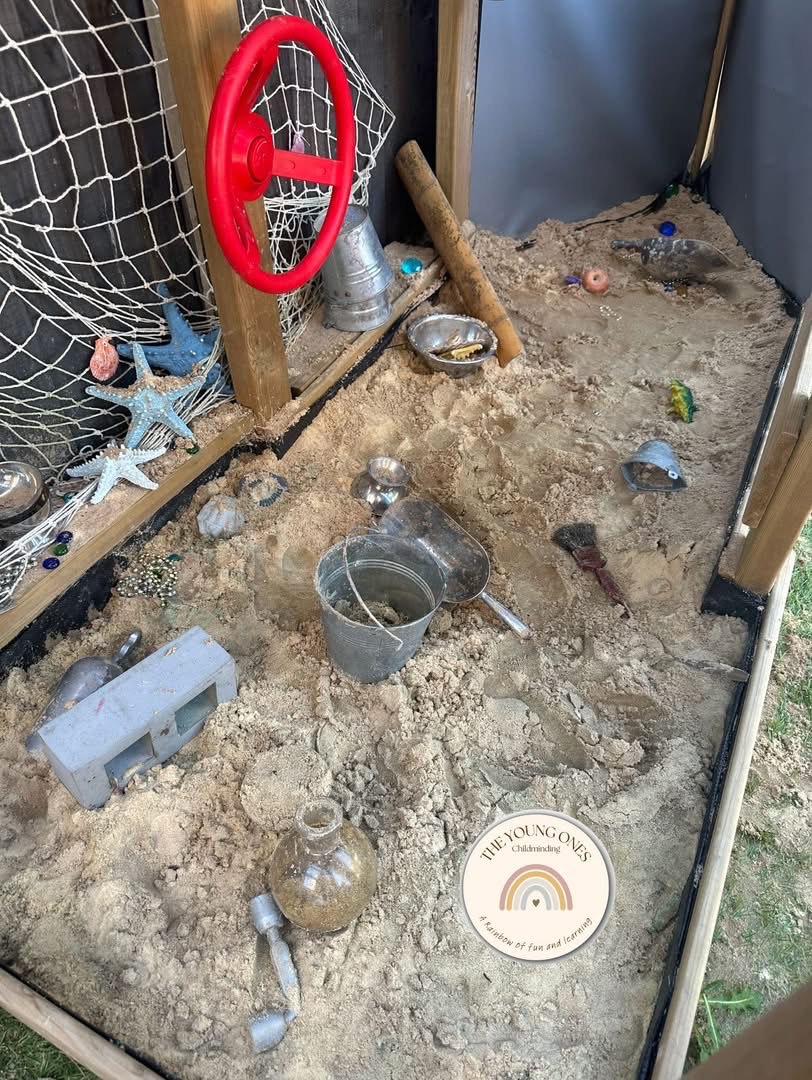
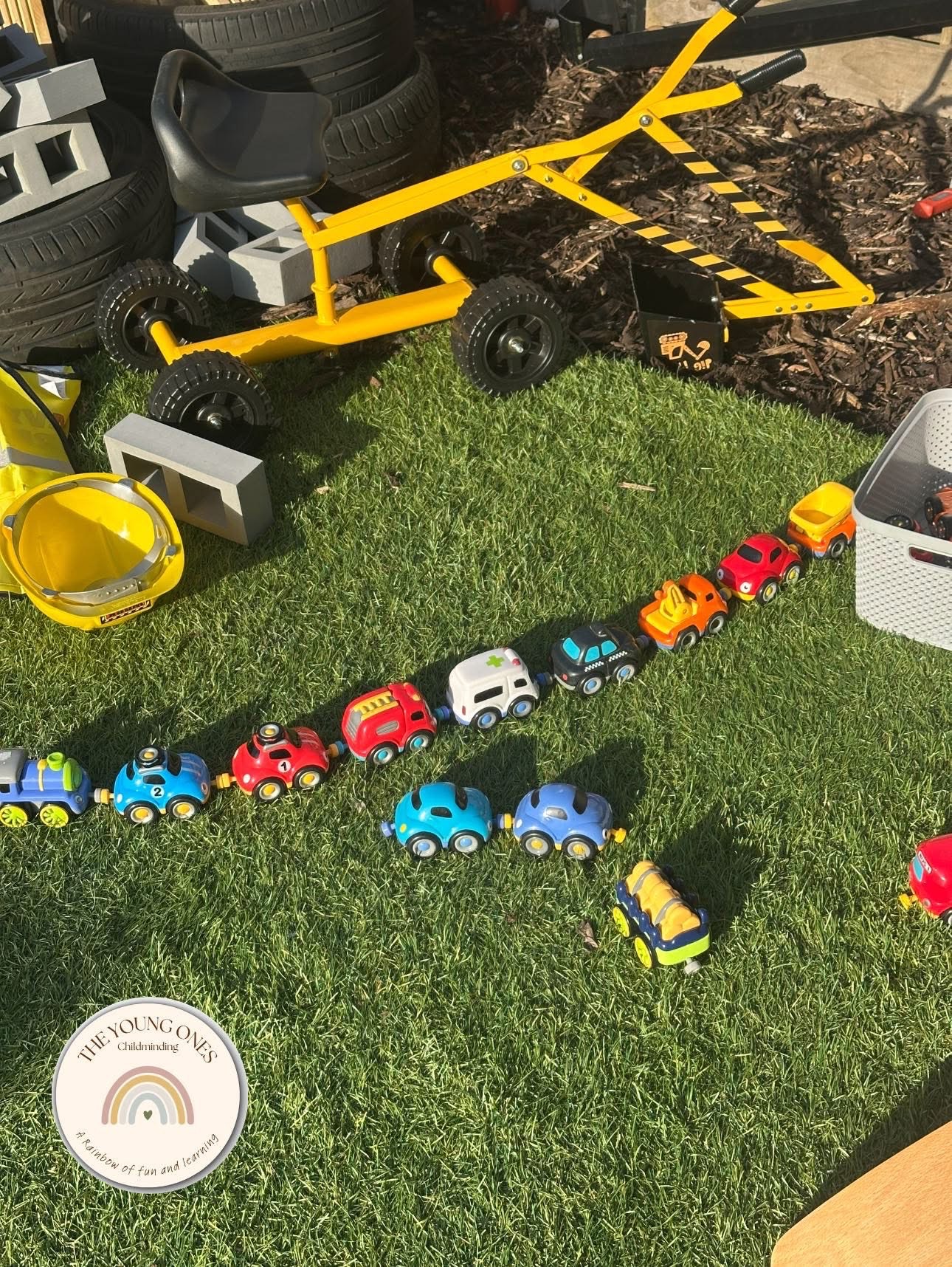
    In my mind, I could still hear their giggles as they challenged themselves to jump in and out of the paddling pool under the afternoon sun. I smiled thinking about our alfresco tea time, sharing stories and favourite moments from the day. There were still pockets of play left to sort – cars carefully lined up in the construction area, sand resources scattered across the pit, wet clothes hung to dry and watering cans left where tiny hands had helped our garden grow.

    In that moment, I felt incredibly proud. Proud of what the children had achieved and proud of myself – for the time, effort and love I pour into creating a space where they can thrive. Behind every carefully chosen resource, every thoughtful enhancement, is the deep desire to meet each child right where they are – to support their interests, nurture their development and help them become their fullest selves.

    This is more than just a job.
    This is my life.
    This is my passion.
    This is early years.

    Leave a comment

  • Magical Mirrors: Enhancing Play and Learning Through Reflection

    Magical Mirrors: Enhancing Play and Learning Through Reflection

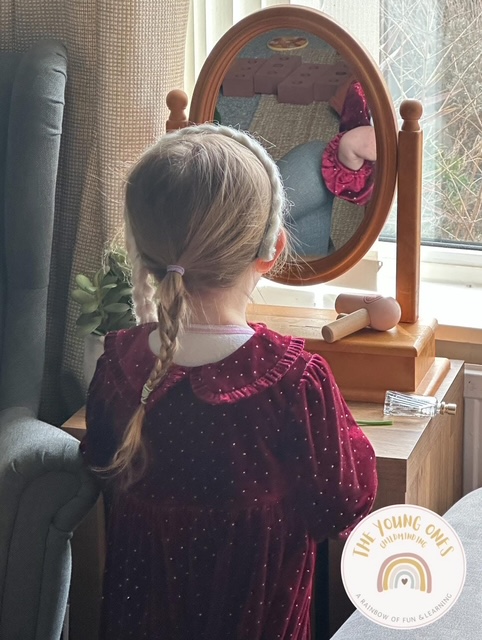
    Some people have been asking why mirrors are often used in play and learning invitations, so I thought I’d share a few reasons why they can be such powerful additions to your provocations – both at home and in early years settings.

    Mirrors reflect light, creating a visually stimulating environment that supports the development of visual senses and adds a whole new dimension to play. Children are naturally drawn to their reflections – they love seeing themselves and watching their play unfold in the mirror. This not only enhances self-awareness but can also support early communication, as children begin talking to themselves, making faces and expressing emotions through their reflections.

    When observing children engaged in mirror play, you may notice moments of self-regulation, like children using what’s known as private speech – talking to themselves as they think through ideas or solve problems. In adult terms, this is like an inner monologue and it plays an important role in cognitive development.

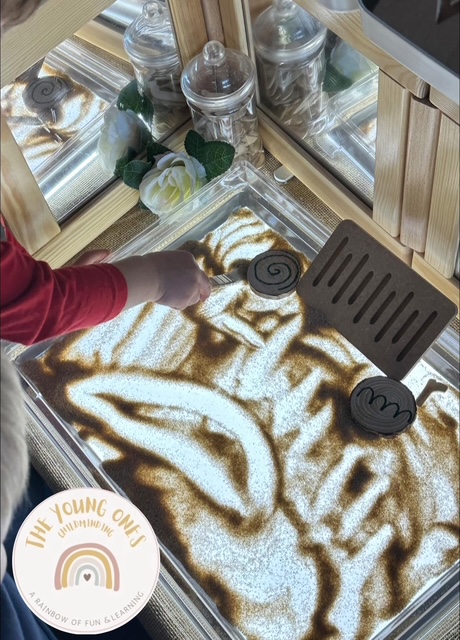
    Mirrors also present opportunities for children to explore the world from a different perspective. They can investigate symmetry, silhouettes, shadows, colours, reflection, luminosity and more. The ever-changing images offer endless possibilities for creative exploration and even the simplest materials can feel magical when mirrored.

    Beyond the sensory and cognitive benefits, mirrors provide space for identity exploration. Children can observe their own movements, increasing body awareness and developing a stronger sense of self.

    Whether placed under a light tray, alongside natural loose parts, or propped up outdoors next to leaves and petals, mirrors invite children to look closer, think deeper and imagine more boldly.

    So if you’re looking to enrich your next play setup, try adding a mirror. You might just be surprised by what reflects back!

    Leave a comment

  • Let There Be Light: Illuminating Play for Young Explorers

    Let There Be Light: Illuminating Play for Young Explorers

    Light has a magical way of capturing children’s attention – and their imagination. Whether you’re an educator setting up a provocation or a parent looking to spark curiosity at home, incorporating light into play can add wonder, warmth and endless learning opportunities.

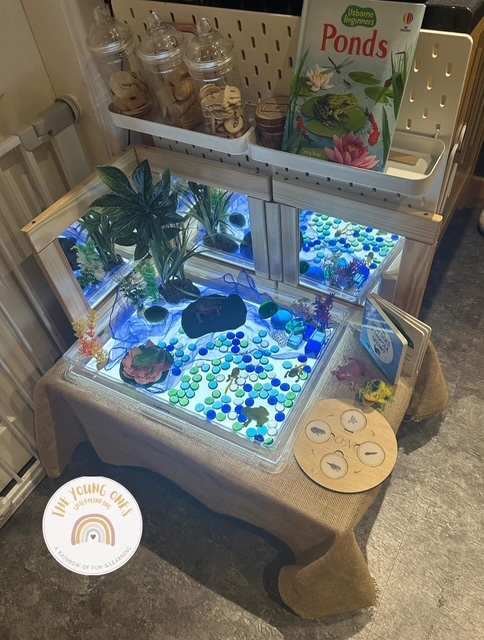
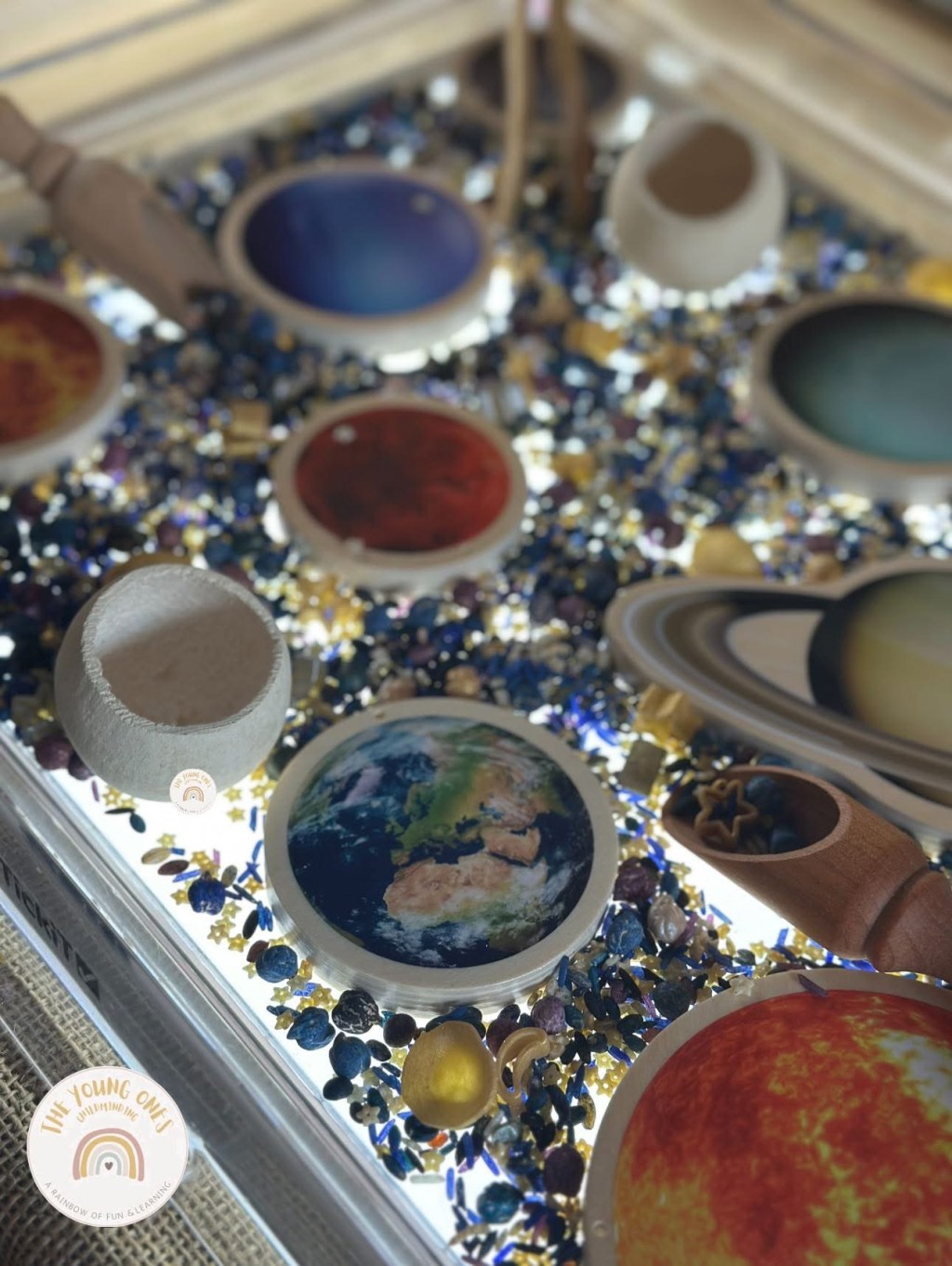
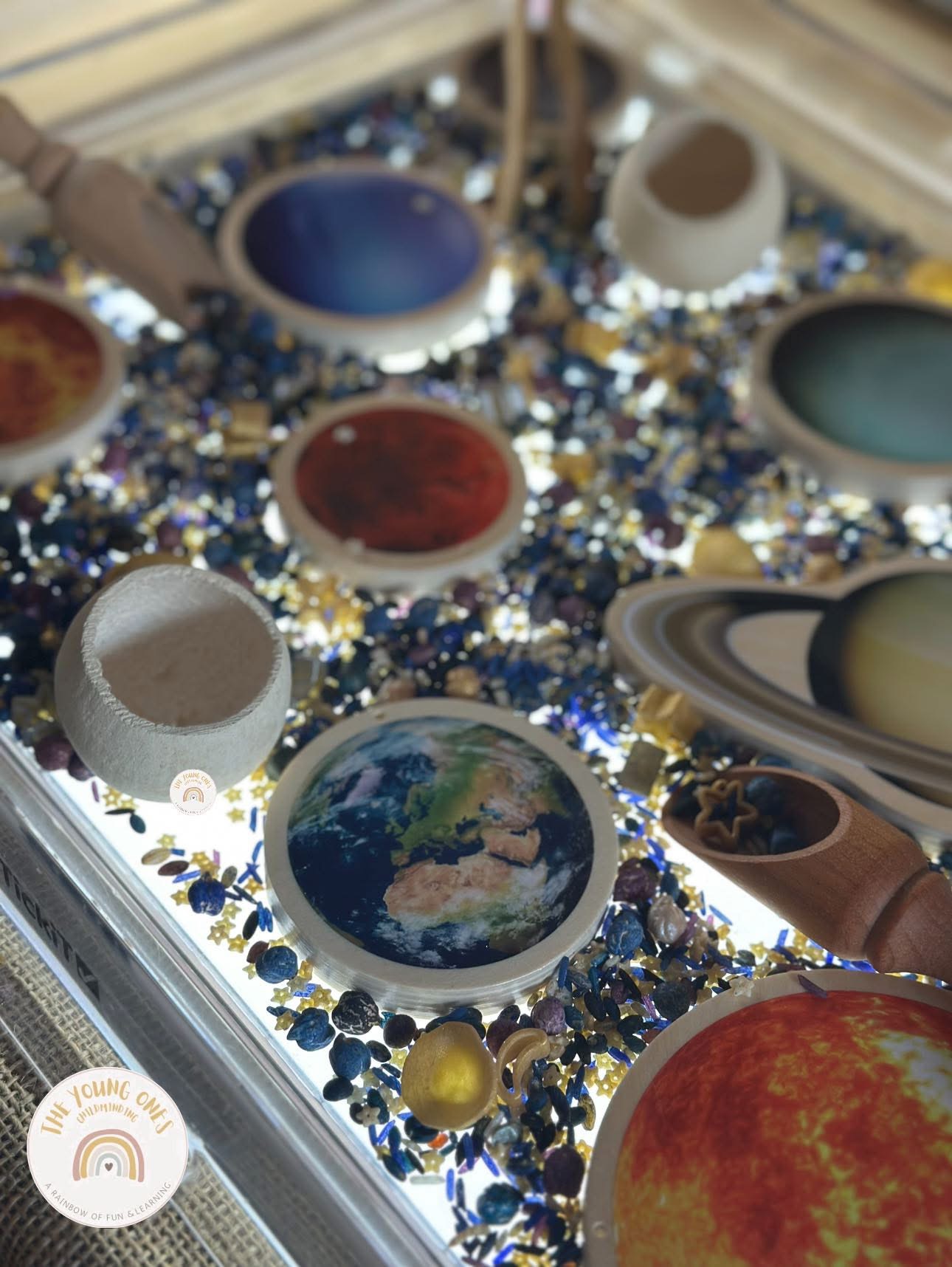
    A light tray is a brilliant place to start. It can transform even the simplest materials into something new and exciting. Try using it to highlight objects for close observation – natural treasures like leaves, shells or feathers suddenly glow with detail when lit from below. Add a topper tray, and it quickly becomes a sensory base for loose parts or sensory materials/bases – such as rice or beans. Want to mix things up? Add playdough for a whole new sensory experience with colour and shadow interplay.

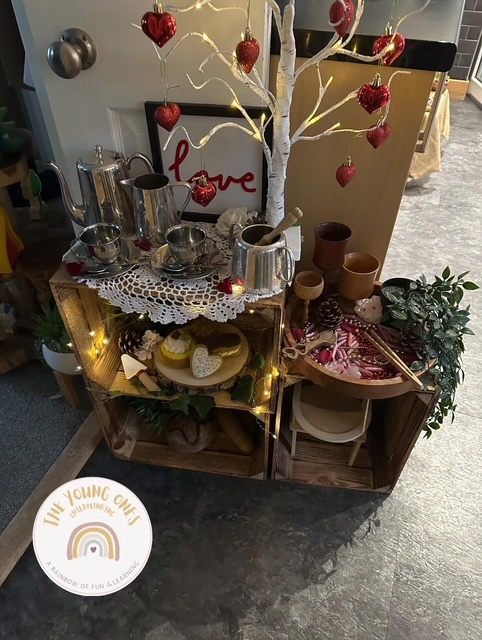
    But light play doesn’t have to stop at the tray…. Fairy lights, soft lamps and rope lights can be woven into invitations to play, creating a gentle, calming atmosphere that draws children in. These additions are perfect for building a hygge-inspired learning space – cosy, inviting and rich in possibility.

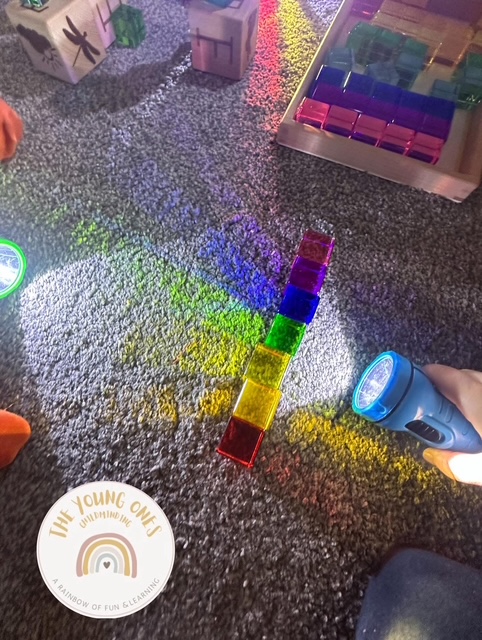
    Torches open up another world of exploration. Use them to cast shadows on the wall, explore reflection with mirrors or observe the magic of refraction through glass and water. Not only are these activities incredibly engaging but they also lay the groundwork for early science concepts in a hands-on, child-led way.

    By incorporating light into your play environments, you’re not only making spaces beautiful and inviting – you’re also inviting children to wonder, investigate and learn in meaningful, sensory-rich ways.

    So next time you’re planning a provocation, ask yourself: how could light shine a new perspective on this experience?

    Let’s light up learning – one twinkle at a time.

    Leave a comment