Category: For Families

Supportive words and thoughtful guidance for parents and caregivers walking beside their Young Ones.

  • A Love Letter to the Parents on the Hard and Beautiful Days

    A Love Letter to the Parents on the Hard and Beautiful Days

    Whether you have a newborn curled into your chest, a toddler exploring the world with determined little footsteps, an older child who seems to grow and change by the hour, or even one who now towers above you… this is for you.

    For the parent who is doing their best — even on the days where their best feels messy, tired, or not quite enough.

    Parenting is stunning in its beauty and staggering in its intensity. It fills you up and stretches you thin, sometimes in the very same breath. And no matter how much you read, how much experience you have, or how deeply you love your child… there are still moments that knock you sideways.

    There are days where your heart feels full and your patience feels thin.
    Where the love is overwhelming… and so is the noise.
    Where you find yourself wondering how something so magical can also feel so unbelievably hard.

    There are nights where you lie awake replaying the moments you wish had gone differently.
    The raised voice.
    The deep sigh.
    The “I should have handled that better.”
    The quiet ache of wanting to be the calm, patient version of yourself that felt out of reach that day.

    And there are the invisible moments too — the ones no one else sees.
    The tears you blink away.
    The responsibility you carry silently.
    The way you keep showing up, again and again, even when you feel depleted.

    I won’t pretend I don’t feel this too. Parenting has brought me some of my most beautiful moments… and some of my hardest. I’ve had days where I’m proud of the mother I am, and days where I sit with guilt and wish I could go back and redo things. But I’ve learned this truth along the way: even the most patient, loving, knowledgeable parents have moments they aren’t proud of. None of us are perfect. And none of us need to be.

    Here is a truth worth holding onto:
    Every parent feels this way sometimes.

    Doctors.
    Teachers.
    Child psychologists.
    Early years professionals.
    Parents with decades of experience.
    Parents with none.

    No one has it all figured out. No one gets it right every time. And every parent — every single one — has moments they wish they could redo. Because caring deeply will always come with a shadow of self-doubt.

    But your child doesn’t see any of that. They don’t measure you by the moments you replay in your mind. They don’t have a checklist of perfect responses or flawless days.

    In their eyes, you are enough.
    More than enough.
    You are their safe place.
    Their comfort.
    Their certainty in an unpredictable world.

    Your child won’t remember every toy you bought, every activity you planned, or whether the day went smoothly.
    But they will remember how it felt to be loved by you.

    The warmth of your arms.
    The softness of your voice.
    The way you return to them, again and again, even after a hard moment.

    Perfection has never been the goal of parenthood — connection is.
    Presence is.
    Trying again tomorrow is.

    So if you are reading this with a heavy heart, or a tired mind, or a quiet question of, “Am I doing enough?”

    Please hear this clearly:

    You are enough.
    You are doing enough.
    And you are doing better than you think.

    Not because you are perfect — but because you aren’t.
    Because you care.
    Because you reflect.
    Because you love your child with a depth that guides you even on the hardest days.

    None of us have all the answers.
    None of us get it right every time.
    And none of us need to.

    Your child just needs you.
    Exactly as you are.
    Human. Loving. Trying.

    And that is more than enough. 

    Leave a comment

  • A Message of Love for All the Tired Mums, Dads, Carers and Guardians Out There…

    A Message of Love for All the Tired Mums, Dads, Carers and Guardians Out There…

    Parenting is tough. There’s no denying it. Yes, there are so many beautiful, joyful moments, but let’s be honest – there are also some really hard ones. Our little ones don’t come with a manual (how amazing would that be?), and it’s okay to just be doing your best.

    It’s okay if you gave the children cereal for dinner because you were too exhausted to cook a full meal. You’re not failing; your little ones are fed and loved. It’s okay to put the TV on for a bit so you can rest, even if just for a moment. It’s okay to ask for help when you need it. It’s okay to take a break. It’s okay to take things one day at a time.

    Please, don’t forget that self-care is essential. You can’t pour from an empty cup! You’re doing your best, and that is more than enough. You will make mistakes – that’s part of being human. There are no perfect children and there are no perfect parents. We are all learning, all the time. Every single day.

    Feeling guilty sometimes is completely normal. Embrace that feeling and then let it go. The fact that you worry even a little bit shows you’re doing an amazing job! So give yourself a break, trust yourself more, and remember: you are wonderful.

    To your child, you are their world. Your love and care mean everything to them. Keep going – you are doing so much better than you think.

      Leave a comment

      Pages: 1 2

    • Family Fun Ideas – Easy Activities for All Ages

      Family Fun Ideas – Easy Activities for All Ages

      Looking for some simple but engaging activities to enjoy as a family? Whether you’re stuck indoors, planning a cosy weekend or just want to spend quality time together, these ideas are perfect for all ages – from babies to older children. Most require minimal setup, and lots use things you probably already have at home. Let the fun begin!

      Gloop

      A messy one – but oh so fun! Simply mix cornflour and water until you reach your desired consistency. Gloop is fascinating for children to explore as it acts like both a liquid and a solid. Add a few drops of food colouring or a splash of scent to make it even more exciting. It’s also taste-safe, making it great for babies as well as older kids.

      Playdough

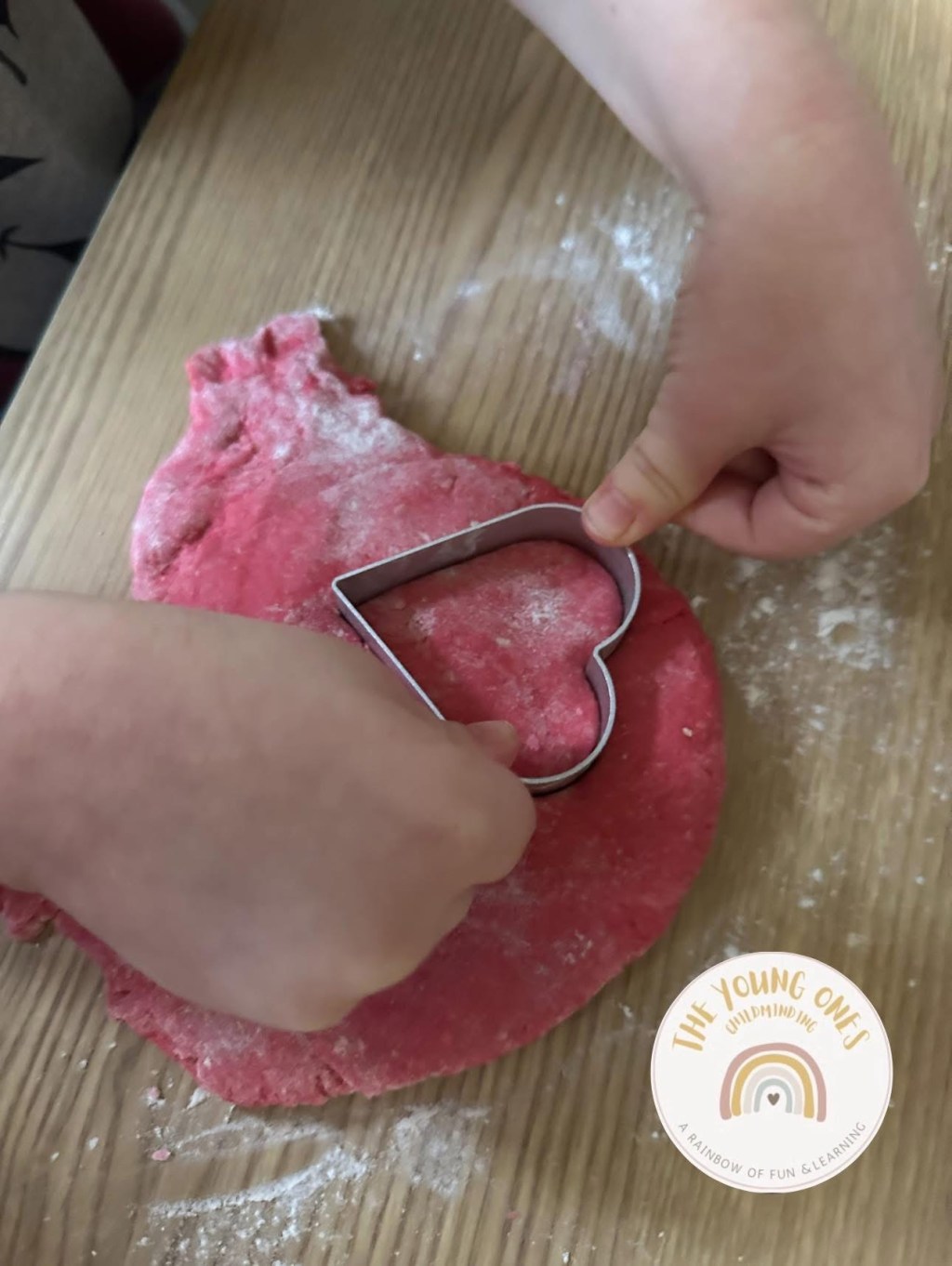
      Playdough is a classic favourite for a reason – children of all ages love it! If you don’t have any to hand, there are lots of easy homemade recipes online. Older children might enjoy making salt dough to create keepsakes or decorations that you can treasure forever.

      Craft Time

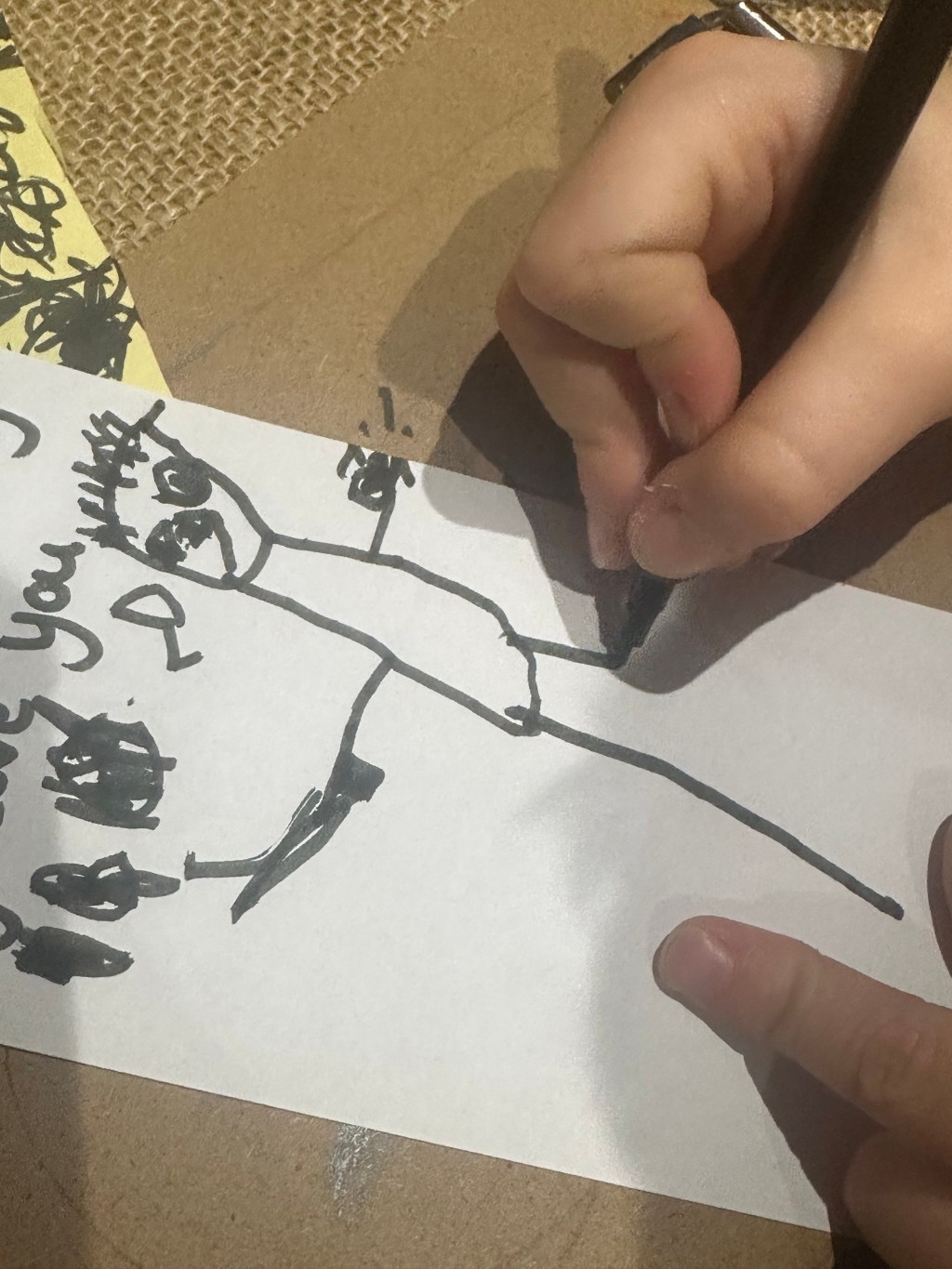
      Break out the paint, crayons or glue sticks! Whether your child paints a masterpiece or gets stuck into some junk modelling using recycling materials, crafts are brilliant for creativity and self-expression. Try giving a theme to spark ideas – Dino land, under the sea or superheroes, for example. You can even get inventive and make mud paint outdoors or paint made from spices.

      Sharing Stories

      Snuggle up with your favourite books or make up your own amazing tales together. Older children can try writing and illustrating their own stories, while younger ones can tell stories using drawings. Create story baskets or bags with props or bring stories to life using puppets and toys.

      Imaginative Play

      Set up a little scene using favourite toys – anything from a princess tea party to a doctor’s surgery or a teddy bear café! Role-play is a wonderful way to encourage creativity, social skills and independent play. The Young Ones often runs a busy paediatric clinic in our living room and my daughter loves playing hairdressers!

      Build a Den (inside or outdoors)

      Grab blankets, cushions, and chairs to build the ultimate indoor den. Dens are quick to make and provide the perfect cosy space for imaginative play, reading or just cuddling up – especially lovely if someone’s feeling under the weather.

      Water Play

      Fill a washing-up bowl or large tub with warm water and let the fun begin! Add spoons, jugs, toy animals or even baby dolls for washing. Great for garden/outdoor play or even indoors – though just be sure to pop down some towels underneath – it can get splashy! Water play is brilliant for toddlers and older kids alike.

      Shaving Foam Fun

      A brilliant sensory experience – just squirt some shaving foam or mouldable soap foam onto a tray or table and let them dive in with their hands. You can add colours or use it to practise mark-making with fingers or tools. You can also mix shaving foam with sand, to make the ultimate “cement” and add blocks – perfect for any budding construction workers

      Bring the Slide Inside

      If you have a small indoor/outdoor slide or tunnel, bring it inside for a change of scenery. It can feel like a whole new adventure and is great for toddlers on rainy days, if you don’t feel like venturing out. Just give it a good clean and make sure there’s a safe space around it.

      Fresh Air Adventures

      Head outside into the garden or local green space for some fresh air. Set up a mini obstacle course using cones, ball or whatever you have to hand. You could also go on a nature hunt, collect natural objects, or follow a colour checklist to spot things around you. If you’re local, we have the amazing countryside, Carlton towers and other lovely spots like Barlow Common or Brayton Barf are perfect!

      Puzzles & Board Games

      A great option for quiet bonding time. Pull out any old puzzles or board games, or make your own games up! Try charades, Simon Says, or even a family quiz night. These are perfect for rainy afternoons or winding down before bed.

      Baby Sensory Bottles

      Fill clear plastic bottles with different materials – like coloured water with oil, rice and beads or pom-poms and beads. They are great for natural treasures too, such as acorns and seeds. Secure the lids tightly (hot glue works well) and let babies shake, roll and explore. These are great for visual and auditory stimulation!

      Tummy Time Treasure Mat

      Pop textured items like fabric scraps, ribbons or small sealed sensory bags under a clear plastic mat or zip-lock bag taped to the floor. It adds interest during tummy time and encourages babies to reach and explore.

      Science Fun

      A simple handwashing experiment can double as a lesson in germs! Fill a bowl with water and grind in some pepper—this represents the “germs.” Have your child dip a clean finger in (the pepper sticks), then dip again after coating their finger in soap… watch the pepper scatter!

      Cooking & Baking

      Get little hands involved in the kitchen. From helping with dinner to baking sweet treats, children love being part of the process. It also teaches valuable life skills. Let older kids plan a meal or decorate their own cupcakes – it’s a great mix of fun and learning!

      Music & Movement

      Turn up the music and have a living room disco! Dancing is fantastic for both physical and emotional wellbeing. You could also try simple yoga stretches or movement games like “copy me” to get everyone involved and active.

      Bubble Fun

      All babies and young children love bubbles! Blow bubbles and watch them float down – great for tracking, visual stimulation and a bit of giggly fun. Try singing a little rhyme as the bubbles float to make it even more engaging for babies or challenge children to blow and catch their own bubbles.

      Movie Nights

      We love a good family movie night! Let the kids choose the film, make some popcorn, and cosy up with blankets. You can even theme the night with snacks or dress-ups—whatever makes it feel special.

      Final Thoughts

      Family fun doesn’t have to be expensive or complicated. With a little creativity and a few household items, you can create lasting memories and give your children rich experiences that support their development and bring you closer together.

      Got a favourite activity we missed? Share it with us in the comments or on social media – we’d love to see your ideas and creations! 💬

      Leave a comment

      Pages: 1 2

    • Play Is Not Just Playing

      Play Is Not Just Playing

      “Just playing.”
      It’s a phrase that’s said without meaning to dismiss, but it does… Because when we say a child is just playing, we’re overlooking the fact that play is actually their most important form of learning.

      As adults, we often associate learning with sitting still, listening, or holding a pencil. But for young children – especially toddlers and pre-schoolers – play is how they explore, express, imagine, question and problem-solve. It’s how they figure out the world and their place in it. Those who already know me, know that I am a massive advocate for learning through play and the endless proven benefits it provides. Hopefully you will be too, by the end of this piece…

      The Magic of Open-Ended Play

      Building blocks. Mud kitchens. Dressing up. Dancing around the kitchen in a superhero cape. It may sometimes look like chaos – but to your child, it’s a world of possibility.

      Open-ended play (where there’s no fixed outcome or “right” answer) encourages creativity, independence and deep thinking. There are no instructions to follow – just imagination to lead.

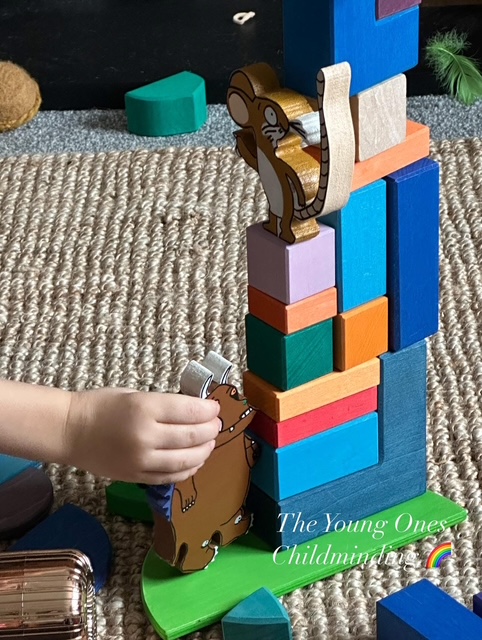
      When a child builds a tower, they’re not only playing – they’re learning balance, spatial awareness, and perseverance when it falls.
      When they make you “dinner” from leaves and mud in the garden, they’re developing social skills, sequencing and role play.
      When they paint with their hands or squish playdough, they’re strengthening fine motor skills and processing sensory input.

      You Don’t Need Fancy Toys or Perfect Pinterest Setups

      We live in a world of curated crafts and colour-coordinated toy rooms, but let’s get this straight: you do not need to be a play expert or have a Montessori-certified space to support your child’s development.

      Some of the best play happens with the simplest things:

      • Pots and pans and a wooden spoon
      • A cardboard box (a spaceship! a shop! a den! The possibilities are endless!)
      • Scarves to twirl, animals to line up, pegs to sort
      • A puddle and some wellies

      You don’t need more stuff – you just need space for imagination.

      “But I’m Not Good at Playing…”

      You don’t have to be!
      You don’t need to be on the floor all day long pretending to be a dinosaur or customer at the café. Your role is to offer the environment, encourage curiosity, and sometimes join in—but it’s okay to step back too. Independent play is healthy and important.

      One powerful way to connect is by noticing what your child’s doing and commenting, not directing.

      “Wow, you used all the blue blocks!”
      “I can see you’re working so carefully on that tower.”
      “That dragon looks fierce!”

      This shows them you value their play – and their thinking.

      Play Builds Brains and Confidence

      Through play, children:

      • Build emotional resilience (taking turns, trying again, expressing feelings)
      • Develop language (narrating, naming, story-making)
      • Strengthen their bodies (running, climbing, balancing)
      • Learn how to be with others (cooperation, empathy, self-resilience, self-confidence and self-control)

      We don’t need to rush them to academics and formal classroom education. All of that learning? It’s already happening – in the block corner, at the water tray, in the back garden.

      Let Them Lead

      One of the greatest gifts we can give children is time to explore their interests, even if it means getting a little messy or noisy. Let them follow their curiosity. Ask open-ended questions. Offer time and space, not pressure.

      When we protect play, we protect joy and joy is where real learning begins.

      Leave a comment

      Pages: 1 2

    • Feeding Your Baby – Breast, Bottle & Beyond

      Feeding Your Baby – Breast, Bottle & Beyond

      One of the first questions new parents get asked is: “How’s the feeding going?”
      But the real answer?
      It’s often a lot more complicated than people expect – and it’s not talked about enough!

      The Early Days: Feeding Isn’t Always Straightforward

      Whether you planned to breastfeed, bottle-feed, or weren’t sure yet, it’s important to know this: feeding isn’t always easy. There’s a lot of pressure to “get it right” straight away, but the truth is – many families face challenges, and often in silence.

      When my eldest was born, I struggled. She wouldn’t latch, and I wasn’t given the support I needed. I ended up expressing for six months, and honestly? It was hard. Exhausting. Isolating. Relentless. But I did it because I was doing my best – and so are you.

      There are so many reasons breastfeeding might not go to plan – tongue tie, low milk supply, oversupply, pain, infection, lack of support, exhaustion, or simply because it doesn’t feel right for you.

      And if you choose formula, or decide to switch to it later? There is no shame. Fed is best. Your baby needs nourishment, but you need to be well too – physically and mentally.

      You’re not failing. You’re making the best choices with the information and support you have.

      When Something Feels “Off”

      Sometimes, feeding issues aren’t about the method – they’re about how your baby responds. Colic, reflux, allergies, dairy intolerance – all of these can turn feeding into a battle and make parents feel lost, dismissed or even doubted.

      It’s heart-breaking when your baby is uncomfortable and this can be made even worse when your concerns are brushed aside.

      But trust your instincts. You know your baby best. If you feel something isn’t right – keep pushing. Ask questions. Ask again. You deserve to be heard and your baby deserves to be comfortable.

      It’s okay to advocate for more help, seek a second opinion or ask for referrals to specialists like lactation consultants, dietitians, or paediatricians. If you’re struggling, which so many do when their child is not feeling well – remember, there is no shame in asking for help. Sometimes it can be hard to advocate for yourself and your child, especially when you’re sleep deprived – please know you can always reach out to family, friends or even ask for a chaperone when attending medical appointments.

      Looking After You Too

      Feeding, no matter how you do it, is a full-time job in those early months. It’s not just physical – it’s emotional. If feeding is taking a toll on your wellbeing, it’s okay to reassess. Changing your approach doesn’t mean giving up; it means tuning in to what works best for you and your baby.

      Your wellbeing matters. It always has.

      Solid Starts: It’s Not a Race

      Eventually, your baby will show signs of being ready for solid food – usually around six months. This part can feel exciting, but also overwhelming.

      There’s no one-size-fits-all here, either.

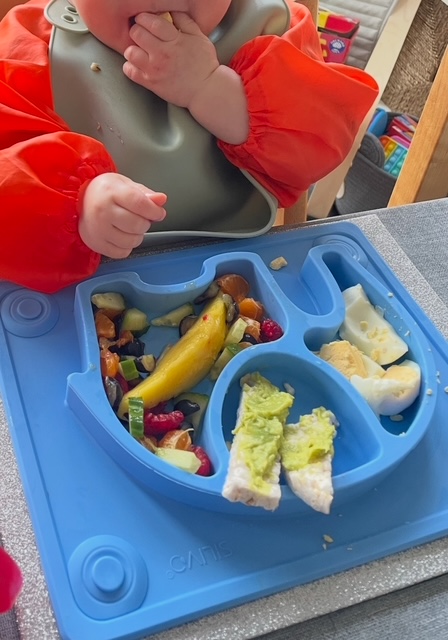
      Some families choose purees. Some go for baby-led weaning (BLW), where babies explore soft, safe finger foods from the start. Some do a mixture of both. I know for many, BLW can feel scary at first – especially with the fear of choking. But learning the difference between gagging and choking is key.

      A helpful rhyme to remember is:
      “Loud and red, let them go ahead. Quiet and blue, they need help from you.”

      For added reassurance, many families now choose to have a LifeVac at home – a non-invasive, emergency choking aid, that has already saved the lives of nearly 4000 people. Thanks to the incredible work of the Oliver Steeper Foundation, awareness of choking safety is growing and tools like LifeVac can offer peace of mind. They’re not a replacement for first aid, but a backup when it’s most needed.

      You’re Doing Great

      Feeding isn’t always the picture-perfect moment we imagine. Sometimes it’s messy, emotional, exhausting, it can even be distressing. But it’s also loving. It’s showing up, hour after hour. It’s learning, adjusting and caring with your whole heart.

      Whatever feeding looks like for you – bottles, breast, both, purees, BLW, allergies, routines or chaos – please know this:

      You are doing an amazing job!

      Leave a comment

      Pages: 1 2

    • Building Strong Family Bonds Through Play: Simple, Fun Activities for Early Years

      Building Strong Family Bonds Through Play: Simple, Fun Activities for Early Years

      Spending quality time with your child doesn’t have to be complicated or costly. In fact, some of the best ways to connect with your Young Ones are through simple, creative activities that spark joy, imagination and learning. Here are some fun, early years-friendly ideas that families can enjoy together, fostering stronger bonds, while encouraging growth in essential skills like problem-solving, communication and cooperation.

      1. Bake Together: Gruffalo Crumble

      What better way to bond than by baking together? Making a delicious treat is a great way to spend time together, practice following instructions, and introduce early math skills like counting and measuring. If you’re familiar with The Gruffalo by Julia Donaldson, why not make a Gruffalo Crumble? It’s easy to prepare and provides a fun, themed way to introduce your child to the joys of baking. Have your little one help you measure out ingredients, mix, and maybe even make some “Gruffalo footprints” in the flour!

      Tip: Let them help wherever possible with tasks like stirring, pouring and sprinkling toppings and encourage them to talk about the colours and textures of the ingredients. If you don’t have the book, you could always tell the story of The Gruffalo while baking or make up your own stories and recipes!

      2. Playdough Fun: Creative and Sensory Play

      Playdough is a fantastic tool for creative play, fine motor development, and sensory exploration. You can buy it or make your own at home with basic ingredients like flour, salt, oil and water (I also recommend cream of tartar if you have some, although it’s not essential). Either way, it’s a hit! Children can roll, squish, cut and mould playdough into shapes, animals, or anything their imagination dreams up. It’s also a great opportunity to practice colour recognition, counting and even simple math as they divide the dough into pieces or build different shapes.

      Tip: Use cookie cutters or your own homemade stamps to create themed shapes, like animals or letters. You can also introduce more sensory elements by adding dried petals, child safe essential oils or food essence, herbs or spices to your playdough.

      3. Woodland Walks: A Story Adventure

      Going on a walk in nature is not only great for physical health, but it’s also the perfect opportunity to use your imagination. If you’re near a wooded area or park, take a walk inspired by a story like We’re Going on a Bear Hunt by Michael Rosen. Have your child pretend to be a bear, explore different “landscapes” like rivers, tall grass, or mud and use their senses to “find” the bear. You could even create a fun scavenger hunt where you both look for animal tracks, leaves or flowers along the way.

      Tip: Collect leaves, sticks, and stones during your walk to create a woodland collage or nature-inspired art project at home!

      4. Imaginative Play: Hairdressers and Other Adventures

      Children love to engage in imaginative play, and it’s one of the best ways for them to learn social skills, practice empathy, and develop their creativity. Set up a “Hairdresser’s Salon” at home where they can give you or their toys a pretend hairstyle. You can also try out other role-playing games, like playing “doctor,” “chef,” or even “shopkeeper” with simple props you already have at home.

      Tip: Set up a little “waiting area” with toy magazines or a pretend cash register, and encourage your child to “act out” customer service scenarios. This helps with communication skills and empathy as they learn to take care of others.

      5. Ready, Steady, Cook! (Early Years Style)

      I am showing my age now but do you remember the TV show Ready Steady Cook? Well, you can bring this concept to life in your kitchen! Get your child involved in helping you cook simple meals. Let them choose some ingredients and create their own “cooking challenge,” mixing flavours, and experimenting with different food textures and colours. You could even make it a themed activity—perhaps a “rainbow salad” or a “fruit salad challenge”. OR use is as a base for imaginative play magic and create your own meals at the play kitchen or mud kitchen.

      Tip: Encourage your child to taste-test different ingredients and describe their flavours. If you are engaging in imaginative play but don’t have a pretend play kitchen, use household objects like pots and pans and you can incorporate natural objects like sticks and pinecones.

      6. Create Your Own Show: Sing, Dance and Perform

      Does your child love to sing and dance? Creating a family performance is a fantastic way to let out energy and share some fun. Put on a talent show where everyone can perform, sing a favourite song or even do a dance routine. Use props (like scarves, hats, or toy instruments) to make the performance more exciting, or put on a play together using costumes and simple backdrops like a sheet.

      Tip: Record the performance so you can watch it together later or send a video to grandparents and friends to share the fun!

      7. Recreate Stories: Bring Books to Life

      Story time is a cherished part of childhood, and you can take it a step further by acting out the stories you read. Whether it’s The Three Little Pigs, Goldilocks and the Three Bears, or any familiar or favourite tale- use props like hats, stuffed animals and costumes to bring characters to life. You can even make your own props – craft a wolf mask or some simple animal ears to wear while you play.

      Tip: After reading, ask your child to tell the story in their own words and encourage them to add their own twists to the plot. This sparks creativity and storytelling skills!

      These simple, early years-friendly activities are a great way for families to spend quality time together, support learning through play, and create memories that last a lifetime. Whether you’re baking together, exploring nature, or putting on a performance, the possibilities for bonding through play are endless. The most important thing is that your child feels loved, engaged and supported in their growth and development.

      For more fun and simple ideas, keep checking out our other blog posts in the Families section. Guiding The Young Ones is here to help you make the most of every moment with your little ones!

      Leave a comment

      Pages: 1 2