Category: Let’s talk about

Each ‘Let’s talk about’ article explores a different topic within the world of early years. This series offers thoughtful insights, practical ideas and gentle reflections to support educators, families and anyone passionate about early years!

  • Let’s Talk About – Domestic Violence and Abuse: Support, Information and Reassurance

    Let’s Talk About – Domestic Violence and Abuse: Support, Information and Reassurance

    Domestic violence or abuse can affect anyone, regardless of age, gender, or background. If you’re worried that someone might notice or check on the pages you’ve visited, the Women’s Aid website offers guidance on how to cover your tracks online to protect your privacy.

    What is Domestic Violence and Abuse?

    Domestic violence, also referred to as domestic abuse, encompasses physical, emotional and sexual abuse that occurs in intimate partner relationships or between family members. It can happen to anyone and unfortunately, anyone can be an abuser.


    Getting Help and Support for Domestic Violence

    You do not have to wait for an emergency situation to reach out for help. If you’re experiencing domestic abuse, it’s important to talk to someone and remember that you are not alone.

    Information and Support Resources:

    • For women: Call the Freephone National Domestic Abuse Helpline run by Refuge at 0808 2000 247, available 24/7, offering confidential, non-judgemental information and support.
    • For men: Call Men’s Advice Line at 0808 8010 327 (Mon-Fri 10am-8pm) or visit their webchat (Wed 10am-11:30am & 2:30pm-4pm) for information and support.
    • For LGBT+ individuals: Call Galop at 0800 999 5428 for emotional and practical support.
    • For forced marriage or honour crimes: Call Karma Nirvana at 0800 5999 247 (Mon-Fri 9am-5pm) or GOV.UK Forced Marriage Unit at 020 7008 0151.

    In emergencies, always call 999. You can also email for support. When emailing, please specify when and how it is safe to respond:

    The Survivor’s Handbook from Women’s Aid is a free resource that provides essential information about housing, money, children’s support, and legal rights.

    If you’re concerned about your own behaviour, the Respect Helpline can provide support. Call 0808 802 4040 for confidential, free advice.


    Signs of Domestic Violence and Abuse

    Domestic violence is fundamentally about power and control. There are different forms of abuse, and it can be hard to recognise, especially when the abuser acts differently around others. Here are some questions to help you identify potential abuse:

    Emotional Abuse:

    • Does your partner belittle or put you down?
    • Do they blame you for arguments or abuse?
    • Do they isolate you from family or friends?
    • Do they control your access to money or essential items?
    • Do they monitor your social media or invade your privacy?

    Threats and Intimidation:

    • Are you ever threatened with harm or death?
    • Do they destroy your belongings or intimidate you physically?
    • Are you ever made to feel fearful of their actions?

    Physical Abuse:

    • Has your partner slapped, punched, kicked, or physically harmed you?
    • Have they ever burned or choked you, or thrown things at you?

    Sexual Abuse:

    • Have they touched you in ways you didn’t want?
    • Are you pressured into unsafe or unwanted sexual activity?
    • Are you made to have sex when you don’t want to, even with a partner?

    General Signs of Abuse:

    • Have you ever felt afraid of your partner?
    • Have you changed your behavior out of fear of what they might do?

    If you answered “yes” to any of these, you might be in an abusive relationship. Help is available, and you don’t have to face this alone.


    Domestic Abuse During Pregnancy

    Unfortunately, domestic abuse often increases during pregnancy. If you are pregnant and facing abuse, it can get worse as the relationship dynamics change. It’s essential to seek support, both for your safety and the safety of your unborn child.


    If You Decide to Leave

    The first step in escaping an abusive situation is realizing that you are not alone, and it’s not your fault. Before leaving, it’s important to get advice and create a safety plan. Some organizations that can help with safety planning are:

    • Women’s Aid (for women)
    • Men’s Advice Line (for men)
    • Galop (for LGBT+)

    If you plan to leave, be careful who you tell, and make sure the person abusing you does not find out where you’re going. Women’s Aid provides practical advice on making a safety plan for both men and women.


    Signs of Domestic Abuse on Children

    Domestic abuse often impacts children who witness it. It’s important to be aware of the signs that a child may be affected:

    • Aggression, bullying, or anti-social behavior
    • Anxiety, depression, or suicidal thoughts
    • Bed-wetting, nightmares, or insomnia
    • Frequent sickness or unexplained health issues
    • Eating disorders or substance use
    • Problems in school or learning difficulties
    • Withdrawal or isolation

    If you notice any of these signs, it’s important to seek support for both you and your children.


    Effects of Domestic Abuse on Children

    Children who live in homes with domestic abuse may experience long-term effects on their mental, emotional, and physical wellbeing. These impacts can last into adulthood if left unaddressed.

    What’s crucial is ensuring that the abuse stops and that children are provided with a safe, stable environment where they can heal.


    Support for Adults and Families Affected by Domestic Abuse

    There are several support services available:

    • Relate: Call 0300 003 0396 for support with relationship issues, including domestic abuse.
    • National Domestic Violence Helpline: Call 0808 2000 247 (24/7).
    • Men’s Advice Line: Call 0808 801 0327 for men experiencing domestic abuse.
    • National LGBT+ Domestic Abuse Helpline: Call 0800 999 5428 for LGBT+ individuals.

    Help for Those Worried About Their Behaviour

    If you think you may be abusive, or are concerned about your behaviour, help is available.

    You can call NSPCC at 0808 800 5000 or email help@nspcc.org.uk for advice and support.

    You can also reach out to Respect at 0808 802 4040 (Mon-Fri 9am-5pm) for confidential help. Their webchat service is available on Tuesdays and Thursdays.


    Remember, you are not alone, and help is available. There are professionals who care and can support you through the difficult journey of healing, whether you are experiencing abuse, have witnessed it, or are concerned about your own behaviour.

    Take the first step – reach out, ask for help, and know that there is a path to safety, peace and healing.

    Leave a comment

    Pages: 1 2

  • Let’s Talk About – Car Seat Safety

    Let’s Talk About – Car Seat Safety

    Cold Weather and Car Seat Safety

    Winter means we need to keep our little ones warm, but did you know that babies and children should not wear coats or snowsuits in the car? ❌

    While it’s important to keep children warm, a coat or snowsuit can compress under the car seat harness by up to 4 inches! This can prevent the harness from fitting securely and safely, creating a dangerous situation in the event of a crash. Items like hoods, thin puddle suits, and anoraks can also impact how well the seat fits.

    Car seat specialist guidance recommends that children wear thin, non-slippy layers (such as fleece or a thin jumper) when in the car seat, ensuring the harness fits properly. You can keep blankets in the car to place over the harness to keep your child warm, but remember: car seats trap heat, so avoid over-wrapping your child to prevent overheating.


    Car Seat Safety and Extended Rear-Facing

    As parents, we’re all constantly learning – just like our children are. I’ll admit, before I had children, I wasn’t always as knowledgeable about car seat safety as I am now. Even now, I’m still learning! Car seat safety isn’t something that’s often taught to us, and even health visitors and midwives might not give the best advice or sometimes, car seat retailers provide incorrect information. So, how do we know what’s best?

    Sadly, many car seats are tested to meet the bare minimum safety standards, typically tested for a 30mph impact, which is only equivalent to two cars traveling at 15mph! After that, the seats often crumple. 😵

    In Sweden, however, children have been traveling rear-facing for over 50 years—and studies have shown that rear-facing seats are at least 5 times safer than forward-facing seats. In fact, children should rear-face until at least 5 years old for optimal safety (and beyond where possible).

    Why is Rear-Facing Safer?

    Frontal collisions are the most dangerous type of car accidents, where the highest speeds and forces are involved. In these situations, if a child is forward-facing, they are flung forward and the harness pins them back. This causes stress on the neck, spine and internal organs. Since children’s bones and spines aren’t fully fused yet, they are at a much higher risk during such an impact.

    To put it into perspective, a baby’s head makes up 25% of their body weight, compared to an adult’s head, which is only 6%. Rear-facing seats help counteract this forward movement, distributing the force more evenly across the child’s back and reducing stress on their developing body.

    What About Legroom?

    A common question parents ask about rear-facing seats is, “Where will their legs go?” The answer is that children are more flexible than we often think. They tend to find comfortable positions, such as sitting cross-legged or with their legs resting against the seat. In fact, many children find rear-facing seats more comfortable because their legs aren’t dangling without support.

    There are also rear-facing seats with extended legroom options – these allow the seat to be adjusted to create more space for your growing child.

    Making Informed Decisions for Safety

    As parents and caregivers, our number one job is to keep our children safe. With the right information, we can make informed choices to protect them. If you want more guidance on extended rear-facing car seats, car seat safety, or car seat fit checks, I highly recommend visiting these Facebook pages that offer professional, independent advice from trained car seat specialists:

    • Extended Rear Facing (ERF) Car Seat Safety
    • Car Seat Safety UK

    Videos and Additional Resources:

    Check out these videos to learn more about car seat safety and rear-facing benefits:

    And read this helpful article from Axkid about rear-facing myths and how rear-facing seats actually protect your child’s legs: Axkid – Rear-Facing Myths


    Team Tex Seats and Other Brands

    Unfortunately, a company called Team Tex, known for producing low-quality, budget car seats, is commonly bought by parents who may not be aware of the risks. These seats often fail crash tests and are unable to withstand even minor impacts. Some Team Tex seats are sold with cheap materials and poor construction, and they have failed crash testing multiple times.

    Other well-known car seat brands may also fall short in terms of safety testing. While some brands claim to do additional tests, these may only focus on individual aspects like material strength, not on the seat’s overall performance in a crash.

    Swedish Plus-tested seats are the best option when it comes to safety. These seats have undergone the toughest testing in the world. Some brands with Swedish Plus-tested seats include:

    • Axkid
    • Avionaut
    • Britax
    • BeSafe

    Some other brands like Joie and Graco also offer some Swedish Plus-tested options and seats with high safety ratings.


    At the end of the day, it’s important that we, as parents and carers, make decisions that are best for our children. With proper knowledge and expert advice, we can ensure our children are as safe as possible while traveling.

    Let’s keep our little ones as protected as we can – always.

    Leave a comment

    Pages: 1 2

  • Let’s Talk About Food, Food Aversions, and Picky Eaters

    Let’s Talk About Food, Food Aversions, and Picky Eaters

    Some children eat everything put in front of them, while others require a bit more encouragement. It’s completely normal for children to go through phases of being picky about what they eat but I understand how frustrating picky eating can be for parents and carers. If your child is only eating certain foods, there are several strategies you can try to help form new, healthier habits. Here are some tips to help your child try more foods and cooperate at mealtimes.

    (If your child isn’t eating at all, this could be linked to illness or additional needs, and you may need to approach it differently. Please refer to the last section for more guidance.)

    Create a Positive Environment

    The setting where you eat can make a big difference. Consider these tips to create a positive atmosphere at mealtimes:

    • Sit together as a family and role model the behaviors you’d like to see. Mealtime is a great opportunity to spend time together and create positive associations with food.
    • Avoid distractions like TV during mealtimes. Distractions can interfere with your child’s ability to recognise their hunger and fullness cues.
    • Set realistic expectations for how long your child should sit at the table, keeping their age and developmental stage in mind.
    • Encourage self-feeding, which helps foster independence and positive food relationships.
    • Make sure your child feels comfortable and included at the table, and avoid rushing them.

    Don’t Force Food

    It’s important not to force food on children. While you may want them to try new things, pressuring them can have the opposite effect, causing distress and creating negative associations with eating. As long as your pediatrician says your child is healthy and eating a variety of foods, try not to worry too much about their current food preferences.

    Gently Expand the Menu

    You can be a great role model by being an adventurous eater yourself and showing your child how to have a positive food relationship. Try creating a list of new foods to try as a family and make it fun—ask, “What new food should we try tonight?” You can even turn it into a game, like Food Bingo, to make exploring new foods exciting.

    Offer Foods More Than Once

    If your child refuses a new food, try offering it again another day. Repeated exposure can help them become more comfortable with unfamiliar foods. It may take multiple attempts (often over ten tries) for a child to accept a new food. You can also encourage your child by showing them that you’re eating the food yourself. This can help normalise it.

    Provide Lots of Praise (Without Pressure)

    Avoid pressuring or bribing your child to eat a certain food, as this can create negative feelings and associations about/around food. Instead, offer new foods in a relaxed, low-pressure way. Praise your child when they’re brave enough to try something new. Some children may also appreciate knowing what they’re eating, so showing them the whole food before chopping or cooking it can help them understand what’s on their plate.

    Avoid Using Food as a Reward

    Using food as a reward can inadvertently create a negative association between certain foods and rewards. For example, children may start to see sweets as “good” and vegetables as “bad.” Instead, try rewarding them with activities such as a trip to the park or playing a game together. It’s also helpful to avoid referring to foods as “treats” for the same reasons.

    Don’t Make a Second Meal

    Rather than preparing a separate meal for your child, always try incorporating “safe foods” alongside new or unfamiliar ones. For example, if your child enjoys certain fruits or vegetables, include those on the plate along with new foods like pasta or chicken. This can make the meal more appealing and less overwhelming.

    Stay Calm with Unwanted Food

    If your child refuses to eat something, try not to react with frustration. Children can pick up on your anxiety, which could make the situation worse. Instead, calmly remove the plate without comment. Teach your child that just because they don’t like a particular food doesn’t mean the whole meal is ruined. For example, if they don’t like a pickle on their burger, encourage them to push it to the side.

    Get Little Ones Involved and Make Food Fun

    Involving children in food preparation can make them more open to trying new foods. Let them help make the shopping list, and turn food shopping into a game- perhaps trying to find certain colours or creating a “rainbow” of foods. Exploring new varieties of foods may also help your child discover preferences they didn’t know they had. For example, they might find they enjoy foods with smoky flavours or prefer sour apples over sweet ones.

    Reading stories that include food or engaging in role-playing cooking games can also help children feel more comfortable with food. Cooking together is another great way to get children interested in new foods. Look through family-friendly recipes and pick one that excites both you and your child, then prepare it together.

    What is a Food Aversion and ARFID?

    A food aversion is a strong dislike or fear of a particular food. The sight, smell, or taste of the food may cause a child to feel nauseous, gag, or even vomit. Food aversions can affect both children and adults.

    Avoidant Restrictive Food Intake Disorder (ARFID) is an eating disorder characterized by the avoidance of certain foods or food groups. Children with ARFID may restrict their food intake due to sensitivities to taste, texture, smell, or appearance. This condition can develop after a distressing experience, such as choking or vomiting, which affects their relationship with food. ARFID is also common among children with Autism Spectrum Disorder due to sensory sensitivities.

    When to Seek Professional Support

    If you’re struggling to get your child to eat a more varied diet or if you’re concerned about their health, it may be helpful to seek support from healthcare professionals such as a GP, health visitor or early intervention team. If your child is losing weight, feeling weak or lethargic or exhibiting other concerning symptoms, contact your doctor immediately. Remember, my door is always open to offer support and guidance, so don’t hesitate to reach out if you have any questions or need additional help.

    Here is the NHS link for further information and guidance –

    https://www.nhs.uk/conditions/baby/weaning-and-feeding/fussy-eaters/

    Leave a comment

    Pages: 1 2

  • Let’s Talk About – Schematic Play

    Let’s Talk About – Schematic Play

    Understanding Schematic Play: Supporting Children’s Development Through Repeated Actions

    Watching children at play is truly fascinating! Some children seem to have a clear vision of what they want to achieve, while others may appear to be doing the same thing repeatedly, seemingly without an end goal. However, both types of play are an essential part of children’s learning journey.

    Children experience schemas of play as strong urges, which is why they can find it very difficult to stop doing something and in which they seem unable to control and compelled to complete. However, it is important that children are allowed to satisfy, channel and enhance these urges, to support and develop children’s thinking and understanding. When children are exploring their schematic play interests, they are usually highly engaged and absorbed in their task which can spark new ideas, consolidate learning and aid critical thinking skills. These “schemas” are not random; they reflect the child’s urge to understand and explore their world.

    What is Schematic Play?

    Schematic play refers to the repeated actions children engage in, which help them understand concepts like how things work, how objects interact, or the world around them. It can often be seen as children follow urges or patterns in their play, driven by their own curiosity and brain development. Each child may explore different schemas based on their interests, abilities, and developmental stage. Understanding these schemas and observing them in action allows adults – whether parents or educators – to better support children in their learning.

    Common Schemas in Early Years Play

    Here’s an overview of some key schemas and how you can support them in your setting:

    1. Transporting Schema

    Children who are exploring this schema love to move things from one place to another. You might see them filling bags, baskets, or pushing toy cars or prams around. This action helps them develop an understanding of distance, location, and object permanence. To support this schema, provide a variety of transportation tools like baskets, trolleys, trucks, and even wheelbarrows for outdoor play. Sand and water play with containers, funnels, and trays can also be great ways to explore this schema.

    2. Trajectory Schema

    This schema is often one of the earliest observed. Children are fascinated by how things move, whether it’s dropping objects, rolling balls, or simply watching things fly through the air. This schema supports their understanding of movement, force, and cause and effect. To support this, provide water or sand play with funnels and pipes, ball play, or simple experiments involving rolling and dropping objects. Streamers, bubbles, and blowing activities can also spark interest.

    3. Enveloping Schema

    When children are exploring the enveloping schema, they are interested in whether something exists when it’s hidden. This often involves wrapping, covering, or concealing objects. You might see children wrapping themselves in blankets or exploring materials like scarves or hats. To support this, offer materials like dressing-up clothes, blankets for building dens, or nesting toys such as Russian dolls. Activities like wrapping presents or creating dens will help children explore this schema.

    4. Enclosing Schema

    This schema is focused on containing or enclosing objects within boundaries. Children will enjoy placing objects inside boxes, pens, or other enclosures. It’s different from the enveloping schema in that it focuses on containment rather than hiding or wrapping. To support this, provide construction materials like blocks, fences, and track sets, or even simple creative materials for making enclosures. You might also provide materials to create borders or walls for their structures.

    5. Transforming Schema

    Children who explore the transforming schema are interested in how things change, whether in appearance, shape, or consistency. You might observe them mixing paints, changing materials, or disassembling objects. They are experimenting with cause and effect. To support this schema, offer materials like playdough, mud, sand, or gloop. Scientific experiments like mixing vinegar and baking powder can also fascinate children with this schema.

    6. Rotational Schema

    Children interested in the rotational schema are drawn to objects that spin, twist, or turn. This could include exploring wheels, spinning tops, or even spinning themselves around. This is a great way for children to develop coordination, balance, and spatial awareness. To support rotational play, provide toys with spinning components, such as windmills or cogs. You can also take children outside to roll down a hill or visit a roundabout at the park.

    7. Positioning Schema

    Positioning involves arranging, ordering, and lining things up. Children love to create patterns or group objects in a specific way. This schema is crucial for laying the groundwork for future mathematical learning. It helps children explore classification, symmetry, and sequencing. You can support this schema by providing loose parts like sticks, stones, or wooden pieces for creating patterns, as well as toys for arranging and organizing (like animals, cars, or small figures).

    8. Connecting Schema

    The connecting schema is all about linking objects together. Children may enjoy building train tracks, connecting Lego pieces, or threading beads. This schema helps children understand relationships, force, and the concept of joining and separating. To support this schema, provide construction toys, string, glue, and other materials for creating connections, such as threading beads or making junk models.

    9. Orientation Schema

    Children exploring the orientation schema are keen to understand how objects look from different perspectives. They may enjoy activities like lying on the floor or climbing to see things from above. This schema helps children develop physical confidence and spatial awareness. Encourage this schema by providing space for climbing, rolling, and swinging. Mirrors, magnifying glasses, and yoga activities can further support their exploration.

    How to Support Schematic Play

    When supporting schematic play, it’s important to observe the child’s interest and provide resources that align with their schema. Ask yourself:

    • What action is the child carrying out?
    • Have I seen the child doing this somewhere else?
    • What resources or activities could enhance or extend this play?

    Encourage their exploration by introducing new materials, tools, or challenges related to their interests. Allowing children to follow their own urges helps them learn at their own pace and strengthens their problem-solving and critical thinking skills.

    Conclusion

    Schematic play is an essential part of children’s learning and development. By understanding the various schemas, you can create an environment that fosters curiosity, engagement and deep thinking. The key is to observe children closely, identify their schema and provide resources and opportunities for further exploration. This will not only satisfy their current interests but will also help them build the skills they need for future learning.

    Leave a comment

    Pages: 1 2

  • Let’s Talk about – Self regulation and emotional resilience 

    Let’s Talk about – Self regulation and emotional resilience 

    Supporting Young Children in Developing Emotional Regulation

    Emotional regulation isn’t a skill we’re born with—it’s something we learn over time. In the early years, children’s moods can swing and change massively. Because of this, helping each child learn to self-regulate across a wide range of emotions is one of our most important responsibilities as educators, caregivers or parents.

    The foundations of emotional and cognitive self-regulation are deeply interconnected in the early years and both are essential for behavioural regulation. For young children, this learning process begins with co-regulation—a supportive partnership between child and adult that has both emotional and cognitive aspects.

    Emotionally, co-regulation involves adults modelling calming strategies, naming and talking about feelings and introducing ways to manage them. This helps children begin to recognise their own emotional states and builds their understanding of how to reduce or cope with intense emotions.

    Cognitively, adults can scaffold self-regulation by talking with children about their thinking and learning – helping them pause, reflect and become aware of their thought processes. This early support helps build skills like impulse control, attention, and flexible thinking. It’s also important that adults can model their own thinking processes such as; “I feel sad because” and then what they can do to help themselves “I am going to go for a run because that helps me feel better”, allowing children opportunities to see positive reactions to negative feelings.

    When emotions run very high, they can interfere with a child’s ability to use these cognitive tools. A child overwhelmed by strong feelings may struggle to focus, regulate impulses or think clearly. This is because heightened emotional arousal can overpower the brain’s capacity for logical thought and problem-solving. In these moments, emotional co-regulation must come first – supporting the child in calming down – before they’re ready to reflect or respond thoughtfully to a situation.

    Key Strategies for Co-Regulation

    Researchers have identified three foundational strategies that support effective co-regulation in early childhood. These approaches work together to create the conditions in which children can begin developing their own self-regulation skills.

    1. Positive Relationships
    At the heart of co-regulation is a warm, responsive relationship. When children feel respected, comforted and supported – especially during times of stress – they are more likely to feel safe and understood. Knowing that a trusted adult is consistently there for them builds the emotional security needed to begin regulating their feelings and behaviours.

    2. Enabling Environments
    Children thrive in environments that feel both physically and emotionally safe. A predictable, well-structured space helps reduce unnecessary stress and provides the consistency that young children need. These environments offer space to explore, take risks and try out self-regulation strategies without fear of harsh consequences or confusion.

    3. Learning and Development
    Self-regulation can be taught and strengthened over time. Adults play a key role by modelling calm behaviour, suggesting practical strategies and offering children regular opportunities to practice these skills. Through gentle guidance and scaffolding, children gradually become more confident and capable in managing their emotions, attention and behaviours.

    In Summary

    Supporting emotional regulation in young children is not only about responding to moments of emotional intensity, but also about laying a strong foundation through relationships, environments and daily learning experiences. With consistent, compassionate support, children begin to build the lifelong skills they need to understand, express, and manage their emotions in positive and healthy ways.

    If you’re looking for practical ideas to get started, be sure to check out our Top Tips category – where I have shared simple, effective ways to support emotional regulation every day.

    Leave a comment

    Pages: 1 2

  • Let’s talk about – The benefits of learning through nature in Early Years

    Let’s talk about – The benefits of learning through nature in Early Years

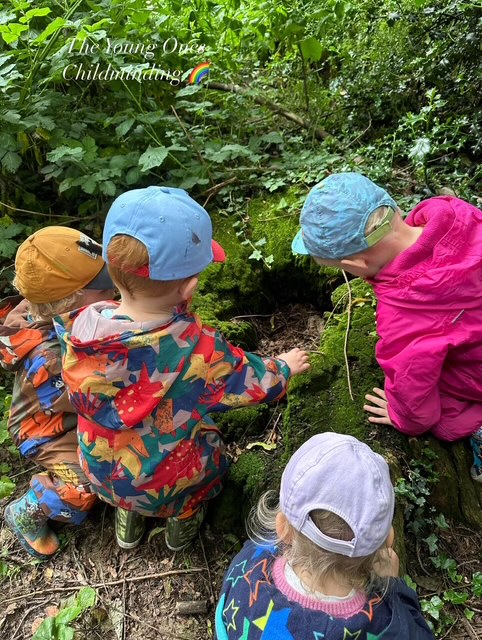
    All children are born with a natural fascination for the world around them. Our role, as early years practitioners, educators and even parents and family units, is to spark and nurture that curiosity, guiding them to explore and learn more about nature. With the Department for Education and the UK government pushing for more conscious sustainability practices, and as the early years sector sees a greater emphasis on nature-based play, it’s vital that practitioners and entire settings understand both the reasoning behind this movement and, most importantly, the incredible benefits nature-based learning has on young children.

    It’s proven that nature plays a crucial role in early years development, with countless benefits for every child’s physical, cognitive, social, and emotional growth. In fact, it’s becoming widely recognised that children should be spending at least three hours of outdoor free play each day. Yet, a recent study revealed that most children spend only around 4-7 minutes outdoors each day! This statistic is alarming, but we have the power to change this and provide young children with the opportunities they need to thrive! All children, regardless of the setting, benefit from being immersed in nature – both through outdoor play and by bringing elements of nature into the indoor environment.

    The Benefits of Nature-Based Learning

    Nature-based learning supports children’s development in a meaningful and holistic way. By allowing children to engage in free play, investigate and connect with the natural world, they’re given opportunities to develop a sense of awe and wonder, spark curiosity and build a lasting appreciation for the environment. Nature is a rich sensory playground that stimulates vocabulary development, language skills and cognitive growth. At the same time, it helps children develop self-awareness, confidence and independence – all while reducing stress and anxiety in both children and adults… This means that nature play benefits not only the children but also the educators and caregivers who engage in it.

    Learning through nature can take place both outdoors and indoors. By incorporating natural resources, loose parts and nature-inspired materials into the learning environment, we encourage children to connect with the world around them. One of my favourite indoor activities with the children is exploring mini-beasts and animal lifecycles. We can create transient art using loose parts, make bugs out of playdough and research various types of insects. These activities can easily be extended and explored outdoors – whether it’s going on a mini-beast hunt with magnifying glasses or visiting a pond to observe frog lifecycles firsthand. The possibilities for nature-inspired learning are endless!

    Physical, Emotional, and Social Benefits

    Being outdoors also provides children with more opportunities to explore physical experiences, engage in gross motor activities and take part in ‘risky play’. These experiences help foster overall development, promote healthy lifestyles and even boost immune systems. There are so many ways to take learning outdoors and integrate nature into the pedagogies and curriculums of early years settings. Nature play can be introduced from the very beginning and doesn’t have to be complicated. Simple activities like creating nature treasure baskets filled with natural resources, hanging natural objects for visual stimuli or simply taking babies and young children outdoors to feel the grass beneath their toes all help to engage them with the natural world.

    Introducing nature play from a young age lays the foundation for positive environmental awareness and stewardship. It nurtures a love for nature that will help children develop a sense of responsibility for the planet and future sustainability.

    A Call to Action

    So, whether you’re taking babies outdoors to experience the grass between their toes or going on a mini-beast adventures with older children, every moment spent in nature is an opportunity for growth. Let’s embrace the beauty and potential of nature-based learning to nurture the next generation of explorers, stewards and environmental advocates.

    Leave a comment

    Pages: 1 2

  • Let’s talk about – ‘Risky Play’ and its Benefits

    Let’s talk about – ‘Risky Play’ and its Benefits

    Understanding Risky Play: Why It’s Important for Children’s Development

    There are many misconceptions around ‘risky play’ and what exactly it involves. At its core, risky play refers to activities where children intentionally seek out or engage in elements of risk or danger. These risks often include exploring heights, speed, impact, using tools, engaging with potentially risky elements (like water), or simply playing independently – often out of sight.

    While it may seem counterintuitive, allowing children to engage in risky play can actually be incredibly beneficial for their development. It gives them the chance to test their limits in a controlled environment. I completely understand that it can feel challenging to let children experience risk. Our natural instinct as caregivers and early years professionals is to minimise risk to protect our children, but it’s important to remember that not all risk equates to danger—there are many valuable lessons children can learn from taking calculated risks!

    The Benefits of Risky Play

    One of the key benefits of risky play is that it helps children develop essential life skills such as problem solving, decision making, risk assessment, and physical coordination. When children engage in activities that require them to think critically and assess potential dangers, they build resilience and learn how to make thoughtful decisions.

    Risky play also sparks curiosity, acting as a strong motivator for learning. It encourages children to investigate the unfamiliar, supporting their natural fascination to explore, discover and gain confidence. This, in turn, boosts their self-awareness, self-esteem and their belief in their own abilities.

    Additionally, risky play provides valuable experiences for brain development, cognitive growth, and emotional well-being. When children participate in these activities, they build essential motivation skills like perseverance and concentration. Encouraging children to push beyond their comfort zones helps them develop the ability to keep trying until they succeed – building both emotional resilience and critical self-regulation skills.

    Balancing Risk and Safety

    However, just like adults, children have varying levels of comfort when it comes to risk. Every child has their own pace and preferences, and it’s crucial to tailor risky play opportunities to meet each child’s individual needs and abilities. While it’s important to protect children from serious harm and injury, we must also avoid creating a completely risk-free environment. Children need opportunities to experience and assess manageable risks in order to develop self-protective skills that will serve them for life.

    Leave a comment

    Pages: 1 2