Tag: calming

  • Calm Down Box/Basket

    Calm Down Box/Basket

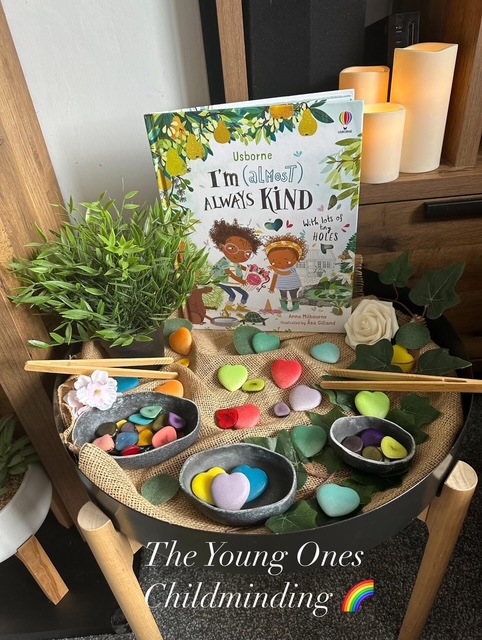
    What is a Calm Down Basket/Box?

    We all experience moments when we feel stressed, overwhelmed or dysregulated – these feelings are completely normal, all be them unpleasant! A calm down box is a wonderful tool designed to help children (or even adults) manage their emotions, regulate their bodies and minds and build resilience in moments of stress.

    A calm down box is a special place that holds your child’s (or your own) favourite items, specifically chosen to aid in self-regulation. These items help to restore balance by grounding the senses – whether through touch, smell, sight, sound or practicing breathing techniques.

    The Golden Rules of a Calm Down Box:

    • Choose items that are liked and age-appropriate: Make sure the contents are things your child (or you) will enjoy using.
    • Avoid screen-time items: Calm down boxes should not include screens like iPads or gaming devices.
    • Encourage independent play: The purpose of a calm down box is to (eventually) help children self-regulate on their own, so it’s important that the contents promote independent interaction.
    • Model how to use it: If your child is new to using a calm down box, you may need to show them how to engage with the items inside, especially during moments of big emotions (some children will need a longer period of time co-regulating and it is important we support them, so they can eventually self-regulate).

    What to Include in a Calm Down Box:

    If you’re wondering what to add, consider items that encourage repetitive motions or sensory experiences, such as spinning, clicking or rolling. These activities can help children focus and calm their minds. Toys with different textures, sounds and scents can be particularly effective in distracting from overwhelming emotions, helping children refocus and regain a sense of calm.

    What is a Sensory Break?

    A sensory break is a short, intentional pause from regular activities to engage in calming sensory experiences. These breaks are not just for times of stress; they can also be used when a child is feeling calm or happy. The purpose is to teach children valuable self-regulation tools that they can later use during moments of frustration or upset.

    The Benefits of a Calm Down Box and Sensory Breaks:

    A calm down box and sensory breaks offer many benefits, such as:

    • Increased mindfulness: Helping children become more aware of their emotional and physical states.
    • Reduced stress and anxiety: Sensory activities can reduce the impact of stress and encourage relaxation.
    • Improved emotional regulation: Children learn to better manage their emotions, even in challenging situations.
    • Enhanced self-awareness: Through regular practice, children become more in tune with their emotions and how to manage them.

    When we engage with our senses, such as through touch or smell, we activate the parasympathetic nervous system (PNS) – the body’s natural calming response. This response counteracts the “fight or flight” instinct, reducing heart rate, blood pressure and muscle tension. Sensory breaks also help distract the brain from anxious thoughts, redirecting focus to more calming and restorative experiences.

    A Reminder:

    Younger children may need support and guidance from adults to effectively use their calm down boxes, especially during moments of strong emotions, distress, or dysregulation. It’s important to be patient, offer gentle guidance and make it a practice that encourages emotional growth and resilience.

    Leave a comment

    Pages: 1 2

  • Top Tips for Calming those chaotic moments

    Top Tips for Calming those chaotic moments

    Because sometimes, we all need a little more exhale than hustle.

    Whether it’s the buzz of a full moon, a sugar-fuelled celebration or just one of those mornings – it’s okay, we are only human. the beauty of early years is in the messiness of it all. However, there are simple and gentle ways you can bring calm, connection and focus back into your space.

    Here are a few tips to help you reset, even on the busiest of days:

    1. Lower your voice (and your body)
    Children often mirror our energy. Speaking softly and crouching to their level can instantly shift the dynamic and draw their attention without demanding it.

    2. Use a predictable phrase or sound
    A gentle bell, a familiar rhyme or a calming phrase like “Let’s take our deep breaths” can become a signal for settling. Keep it consistent and calm – not sharp or rushed.

    3. Try a ‘still moment’ together
    Invite everyone to freeze for five seconds. Then breathe in… and out… together (Dragon breaths are our personal favourite). It’s a tiny reset button that works surprisingly well.

    4. Create a cosy corner/space (and make it okay to use)
    A soft, safe space with books, cushions and sensory objects gives Young Ones somewhere to regulate. Frame it positively: “This is a space to help your body feel calm” and calm baskets are also a wonderful way to support regulation and moments of calm. However, ensure to make time to use and utilise the space regularly, not only during times of emotional dysregulation.

    5. Go outdoors in nature

    It’s amazing how much going outdoors can help in those busy moments! Nature has countless benefits for physical and emotional wellbeing, as well as offering moments of calm and connection. It also allows Young Ones more space and freedom to let out bursts of energy and more freedom to move and express themselves. So whether you go out in the garden/play space, go on a woodland walk or go to the park – you are bound to see positives!

    6. Don’t forget your calm
    Take three slow breaths for you before stepping into a challenging and/or noisy moment. Your steadiness is one of the most powerful tools in the room.

    Some days will still be wild and chaotic – and that’s okay, but a few calm cues, used consistently and kindly, can make all the difference. So here’s to all the wonderful grown ups out there, braving the wild days with heart and patience. You’re doing amazing – even on the busiest and loudest days. Keep going and remember: the calm moments you create today, will grow into something meaningful tomorrow.

    Because sometimes, we all need a little more exhale than hustle.

    Whether it’s the buzz of a full moon, a sugar-fuelled celebration or just one of those mornings – it’s okay, we are only human. the beauty of early years is in the messiness of it all. However, there are simple and gentle ways you can bring calm, connection and focus back into your space.

    Here are a few tips to help you reset, even on the busiest of days:

    1. Lower your voice (and your body)
    Children often mirror our energy. Speaking softly and crouching to their level can instantly shift the dynamic and draw their attention without demanding it.

    2. Use a predictable phrase or sound
    A gentle bell, a familiar rhyme or a calming phrase like “Let’s take our deep breaths” can become a signal for settling. Keep it consistent and calm – not sharp or rushed.

    3. Try a ‘still moment’ together
    Invite everyone to freeze for five seconds. Then breathe in… and out… together (Dragon breaths are our personal favourite). It’s a tiny reset button that works surprisingly well.

    4. Create a cosy corner/space (and make it okay to use)
    A soft, safe space with books, cushions and sensory objects gives Young Ones somewhere to regulate. Frame it positively: “This is a space to help your body feel calm” and calm baskets are also a wonderful way to support regulation and moments of calm. However, ensure to make time to use and utilise the space regularly, not only during times of emotional dysregulation.

    5. Go outdoors in nature

    It’s amazing how much going outdoors can help in those busy moments! Nature has countless benefits for physical and emotional wellbeing, as well as offering moments of calm and connection. It also allows Young Ones more space and freedom to let out bursts of energy and more freedom to move and express themselves. So whether you go out in the garden/play space, go on a woodland walk or go to the park – you are bound to see positives!

    6. Don’t forget your calm
    Take three slow breaths for you before stepping into a challenging and/or noisy moment. Your steadiness is one of the most powerful tools in the room.

    Some days will still be wild and chaotic – and that’s okay, but a few calm cues, used consistently and kindly, can make all the difference. So here’s to all the wonderful grown ups out there, braving the wild days with heart and patience. You’re doing amazing – even on the busiest and loudest days. Keep going and remember: the calm moments you create today, will grow into something meaningful tomorrow.

    Leave a comment

    Pages: 1 2