
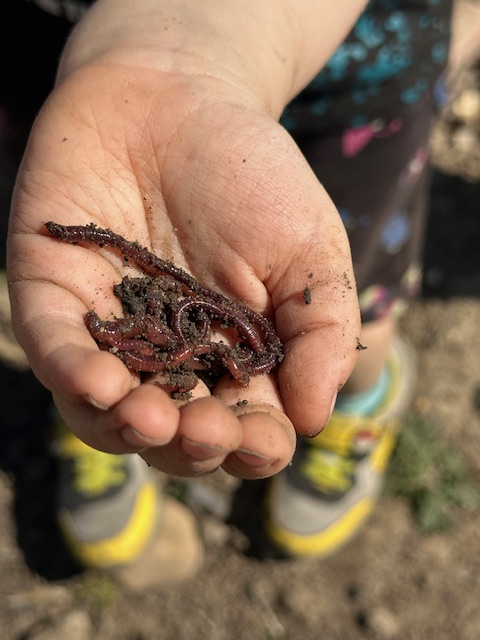
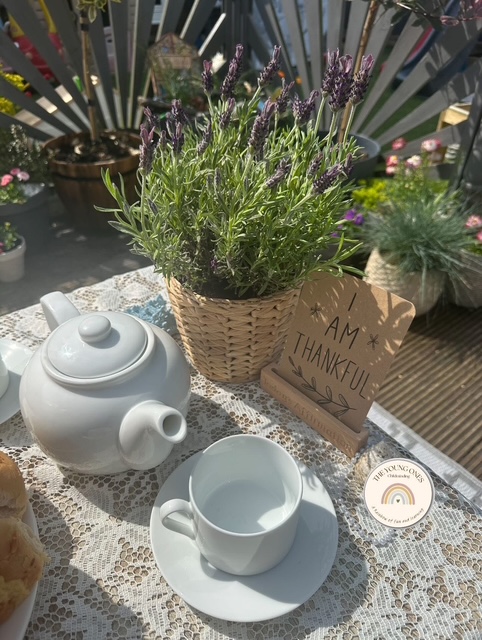
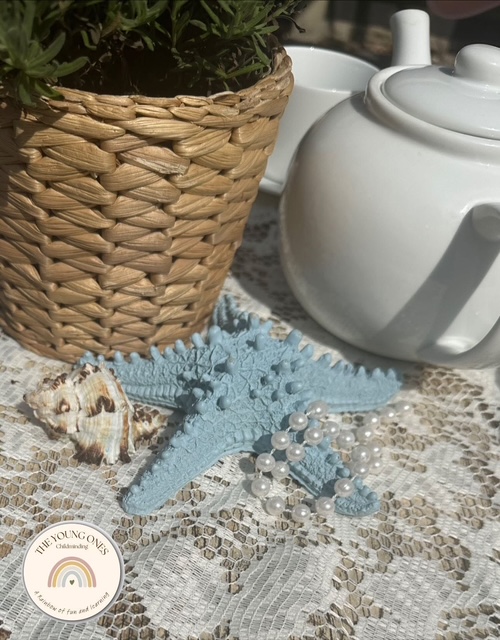
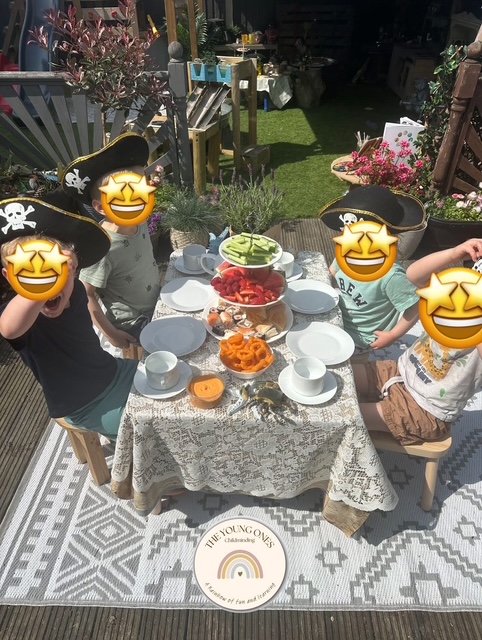
This week in our setting, we’ve journeyed through all kinds of learning adventures. Our Young Ones discussed worms and, before long, the children had sparked a full-on nature investigation adventure and helped create their very own wormery. Meanwhile, our interest-led under-the-sea inspired learning invitations flowed into joyful pirate play — which, in true child-led spirit, ended in a self-declared “pirate tea party.” We walked to the local shop, where the children proudly chose sushi because, in their words, “pirates like fish.”
These moments weren’t adult-designed or prescribed — they were born from the children’s imaginations, curiosities, and play. And as an early years educator, there’s nothing better than knowing that their learning is not only deep and meaningful, but also incredibly fun and relevant to them.
After all, when children are engaged in play that excites and interests them, they don’t just learn — they thrive.
What Is Child-Led Play?
Child-led play is exactly what it sounds like: play that is initiated, directed, and sustained by the child. As educators, our role is to tune in — to notice what interests them, what stage they’re at, and what they need in order to extend their ideas further.
Rather than taking the reins, we become thoughtful observers, gentle guides, and curious co-learners. We provide the environment, the materials and the emotional safety — but the learning path? That’s theirs to walk.
Why Is It So Important?
- It meets children where they are. Instead of pushing concepts they’re not ready for, we support the learning they’re naturally driven toward — making it more meaningful and developmentally appropriate.
- It builds intrinsic motivation. When children are in control of their play, they’re more likely to stay focused, engaged and joyful in their learning.
- It supports deeper learning. Real connections happen when children are truly interested — whether they’re twiddling a leaf, building a den or role-playing life as they see it. These aren’t just ‘games’. They’re opportunities to process emotions, explore new concepts and grow essential life skills.
- It nurtures confidence and autonomy. Children learn that their ideas matter. That they can lead, decide, and explore at their own pace — and be respected for it.
Our Role as Educators
Child-led play doesn’t mean stepping back entirely. It means stepping in at the right moments — offering vocabulary, extending ideas, providing a new material at just the right time, or reflecting later with the child.
It’s about understanding that the child is the curriculum — and trusting in their ability to learn through play when given the time, space and support.
A Gentle Reminder
Every setting is different, but in ours, child-led learning is at the heart of everything we do. We meet children exactly where they are and we build from there — gently, respectfully and with curiosity.
Because when learning is joyful, meaningful and rooted in play, it doesn’t just stick — it sings.



 Guiding The Young Ones
Leave a comment