Tag: children

  • A Love Letter to the Parents on the Hard and Beautiful Days

    A Love Letter to the Parents on the Hard and Beautiful Days

    Whether you have a newborn curled into your chest, a toddler exploring the world with determined little footsteps, an older child who seems to grow and change by the hour, or even one who now towers above you… this is for you.

    For the parent who is doing their best — even on the days where their best feels messy, tired, or not quite enough.

    Parenting is stunning in its beauty and staggering in its intensity. It fills you up and stretches you thin, sometimes in the very same breath. And no matter how much you read, how much experience you have, or how deeply you love your child… there are still moments that knock you sideways.

    There are days where your heart feels full and your patience feels thin.
    Where the love is overwhelming… and so is the noise.
    Where you find yourself wondering how something so magical can also feel so unbelievably hard.

    There are nights where you lie awake replaying the moments you wish had gone differently.
    The raised voice.
    The deep sigh.
    The “I should have handled that better.”
    The quiet ache of wanting to be the calm, patient version of yourself that felt out of reach that day.

    And there are the invisible moments too — the ones no one else sees.
    The tears you blink away.
    The responsibility you carry silently.
    The way you keep showing up, again and again, even when you feel depleted.

    I won’t pretend I don’t feel this too. Parenting has brought me some of my most beautiful moments… and some of my hardest. I’ve had days where I’m proud of the mother I am, and days where I sit with guilt and wish I could go back and redo things. But I’ve learned this truth along the way: even the most patient, loving, knowledgeable parents have moments they aren’t proud of. None of us are perfect. And none of us need to be.

    Here is a truth worth holding onto:
    Every parent feels this way sometimes.

    Doctors.
    Teachers.
    Child psychologists.
    Early years professionals.
    Parents with decades of experience.
    Parents with none.

    No one has it all figured out. No one gets it right every time. And every parent — every single one — has moments they wish they could redo. Because caring deeply will always come with a shadow of self-doubt.

    But your child doesn’t see any of that. They don’t measure you by the moments you replay in your mind. They don’t have a checklist of perfect responses or flawless days.

    In their eyes, you are enough.
    More than enough.
    You are their safe place.
    Their comfort.
    Their certainty in an unpredictable world.

    Your child won’t remember every toy you bought, every activity you planned, or whether the day went smoothly.
    But they will remember how it felt to be loved by you.

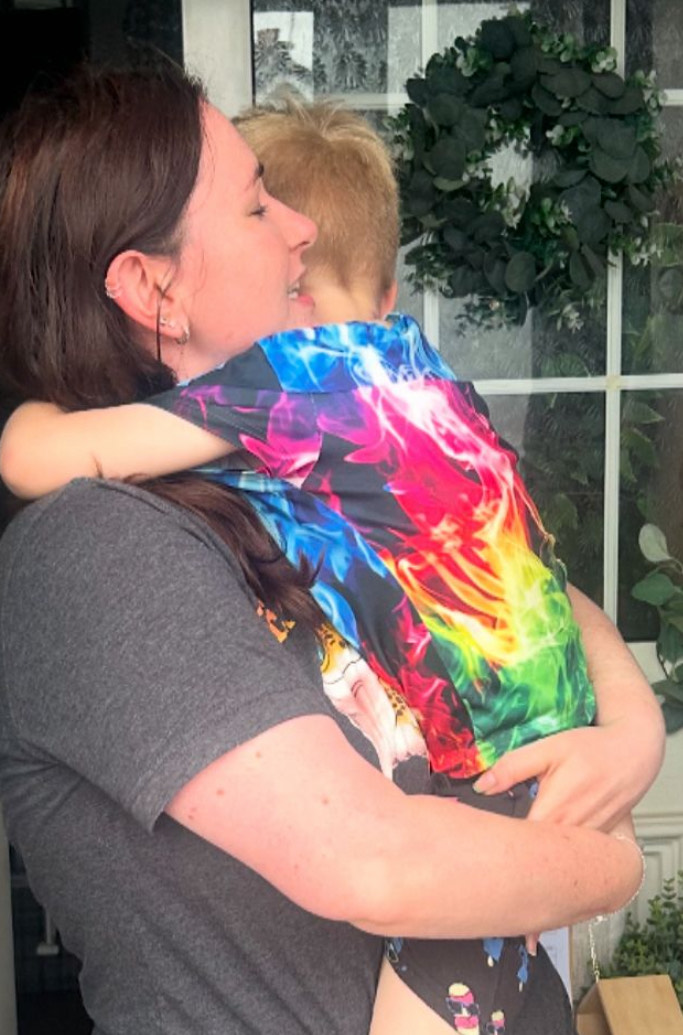
    The warmth of your arms.
    The softness of your voice.
    The way you return to them, again and again, even after a hard moment.

    Perfection has never been the goal of parenthood — connection is.
    Presence is.
    Trying again tomorrow is.

    So if you are reading this with a heavy heart, or a tired mind, or a quiet question of, “Am I doing enough?”

    Please hear this clearly:

    You are enough.
    You are doing enough.
    And you are doing better than you think.

    Not because you are perfect — but because you aren’t.
    Because you care.
    Because you reflect.
    Because you love your child with a depth that guides you even on the hardest days.

    None of us have all the answers.
    None of us get it right every time.
    And none of us need to.

    Your child just needs you.
    Exactly as you are.
    Human. Loving. Trying.

    And that is more than enough. 

    Leave a comment

  • From My Heart to Yours — On Letting Go

    From My Heart to Yours — On Letting Go

    This week, I say goodbye to a very special little person — a child who has been with me for over three years. Since they were tiny. Since the early wobbly steps and sleepy snuggles. Since those first words, first drawings, first friendships.

    And now… they’re off to school.

    People often ask me how I do it — how I care so deeply, then let go again and again. And truthfully? Sometimes, I don’t know. Despite caring for hundreds of children over the years, nothing truly prepares you for the moment one of your children moves on.

    Because in childminding, they really do become your own — not in name, but in heart.

    We don’t just look after children. We grow with them. We witness them becoming. In a home-from-home setting like ours, where everything is small, familiar, and deeply personal, the bond becomes something powerful and lasting. They come through the door with tiny shoes and wide eyes… and somewhere along the way, they become woven into the fabric of your daily life.

    And then one day — it’s time to let them go.

    This isn’t just a goodbye. It’s the end of an era. It’s a turning of the page in both of our stories.

    We’ve shared the ordinary magic of childhood — the muddy boots and sticky fingers, the scraped knees and belly laughs. We’ve navigated those big toddler feelings, celebrated the tiny milestones that mean the world, and found joy in the simplest of things. We’ve watched the seasons turn together — planting seeds, jumping in puddles, searching for bugs, reading the same stories again and again.

    In this space, we’ve done more than learn.
    We’ve lived.

    And now they are ready. That’s the hardest part, and the most beautiful.
    They are ready.

    Ready for different challenges, bigger classrooms and new friendships. Ready to step into the next adventure with the confidence and security we’ve nurtured together. That readiness is a gift I’m proud to have helped shape. But that doesn’t make the goodbye any easier.

    I’ll miss the giggles, the little hand reaching for mine, the way they knew exactly where the favourite toys lived. I’ll miss the way they called out my name, the way we had our own little routines and shared stories. I’ll miss the everyday presence of someone who became a part of my world.

    And yet, this is what we’re here for.
    Not just to hold, but to prepare.
    Not just to love, but to launch.

    To the child heading off on your next big adventure:
    Thank you for trusting me.
    Thank you for growing with me.
    Thank you for letting me be part of your beginning.

    You’ve left your footprints on my heart.
    You’ll always be part of my story.
    And I’ll always be cheering you on.

    Leave a comment

  • Not Built to Sit Still: Defending Childhood in an Age of Pressure

    Not Built to Sit Still: Defending Childhood in an Age of Pressure

    A Barefoot Conversation

    Why play, presence, and connection matter more than the DFE’s version of “school readiness

    A barefoot conversation with a ladybird.
    That’s what stopped me in my tracks.

    Tiny toes curled against the grass, a child crouched low and still—whispering gentle words to a ladybird resting on a leaf. No rush. No noise. Just awe. Just presence.

    And in that moment, everything made sense again. This is childhood. Not worksheets. Not school-readiness tick lists. Not quiet hands and still bottoms. But muddy feet, wonder-filled questions, and empathy blooming from the tiniest of encounters.

    We are raising little humans, not robots. And yet across the country, we’re asking four-year-olds to meet expectations built for older children. We’re asking them to sit before they’re ready, to read before they’re developmentally able — to achieve like an adult, rather than explore like a child.

    But the world doesn’t need more children who can sit still at four.
    It needs children who care.
    Children who feel.
    Children who notice the smallest creatures and imagine their stories.

    Because from these early acts of compassion — like chatting to a ladybird — come the roots of kindness, empathy, and responsibility for the world around them.


    What the Research Says

    We don’t have to guess what children need. Decades of child development research is clear: play is not a luxury—it’s a biological necessity.

    • The Harvard Center on the Developing Child highlights that young children learn best through active, joyful, and engaging experiences— not passive instruction.
    • The Alliance for Childhood and UNICEF advocate strongly for delayed formal schooling, with many European countries (like Finland and Sweden) beginning structured academic learning at age 6 or 7 — after a long foundation of play-based early years education.
    • Neurological studies show that movement, exploration, and connection are essential for developing executive function, emotional regulation, and long-term cognitive skills.

    Yet here in England, we’re still pushing four-year-olds (and younger) into formal classrooms. We’re turning play into a performance. Exploration into outcomes. And our children are paying the price.


    A Personal Reflection

    When I think of the children in my care, I think of the ones who can build entire worlds out of sticks and stones. The ones who soothe slugs and rescue worms. The ones who tell me, with complete seriousness, what the ladybirds are saying back.

    And I think of the quiet ones — the ones who thrive when they are not rushed. The ones who don’t always find sitting easy, but who can spend 40 minutes moving conkers from bowl to basket with deep, meaningful concentration.

    These aren’t children who are behind. These are children who are becoming.
    Children who are deeply engaged with their world.
    Children who will grow into compassionate, thoughtful, resilient humans — if we let them.

    And yet I see the increased pressure creeping in. From “school readiness” checklists. From misunderstood expectations. From a system that has forgotten what childhood is meant to be.


    The Bigger Picture

    This isn’t just a professional frustration — it’s a national concern. We are seeing a sharp rise in childhood mental health difficulties, and many professionals in the early years sector are sounding the alarm.

    Children today are growing up in a world that is louder, faster, and more pressured than ever before. Many are struggling with anxiety, attention difficulties, and burnout — at just four or five years old. And instead of responding with care and compassion, we are asking them to sit longer, try harder, be quieter. This is not developmentally appropriate. It is damaging.

    Every child learns in their own way. Some need movement to think clearly. Some need silence. Some learn through messy, sensory exploration, while others thrive in quiet, focused play. They are not carbon copies. They are not data points. And they are certainly not “failing” because they can’t yet conform to adult-driven expectations. If we truly care about children, then their wellbeing, mental health, and right to a childhood must become our top priority — not optional extras squeezed in between phonics and fine motor worksheets.

    Why are we ignoring the mountain of evidence? Why are we still using outdated models of achievement when the world (and the child) has changed?

    It’s time we remembered: school readiness isn’t about sitting still. It’s about being secure, curious, and emotionally equipped to handle new environments. And we build those foundations through love, play, and presence — not pressure.


    A Call to Action

    Unfortunately, we can’t wait for policymakers to catch up — because far too many of the people making decisions about children have little understanding of child development and seem unwilling to listen to those who do. The system won’t fix itself. But we can be the change, from the ground up.

    Here’s how:

    • Speak up. Share your stories, your knowledge, your child-centred practice. Help shift the narrative from achievement to wellbeing.
    • Advocate. When conversations arise about “school readiness,” bring it back to what matters: secure attachments, emotional literacy, and developmentally appropriate expectations.
    • Connect. With parents, with educators, with community leaders. The more unified our voice, the harder it is to ignore.
    • Protect play. Let children be barefoot. Let them talk to ladybirds. Let them carry sticks and ideas and questions. This is not time wasted — it is everything.

    Final Thoughts From an Educator

    One day, our children will look back on these years.

    Will they remember a world that rushed them, silenced them, and tried to make them smaller?
    Or will they remember being seen, heard, and cherished for exactly who they were?

    That gentle whisper to a ladybird might just be the first step in raising a child who will one day protect the planet, comfort a friend, or stand up for what’s right.

    And that begins not with the DFE’s current version of readiness, as described by Bridget Phillipson…
    But by people who truly understand child development and with respect for childhood.

    So, let us be the ones who slowed down.
    Who knelt beside them in the grass.
    Who made space for joy, for wonder, for messy, magnificent becoming.

    Because when we protect childhood, we protect everything that matters.

    Leave a comment

    ← Back

    Thank you for your response. ✨

    Please rate our website(required)

  • The Words We Choose: Language, Connection and Childhood

    The Words We Choose: Language, Connection and Childhood

    Not long ago, one of the children in my care was having a quietly difficult morning. There hadn’t been a dramatic outburst or any obvious signs of upset — just a certain stillness in their shoulders, a withdrawn glance, a subtle shift in their play. When I knelt beside them and gently asked how they were feeling, they paused, looked up, and with a quiet voice and simple Makaton signs, they told me: sad.

    In that moment, everything else faded. They trusted me enough to let me in — not with perfect grammar or complicated explanations, but with a small word and a few meaningful signs. And that was all we needed. I mirrored their words, offered comfort, acknowledged the feeling, and gave time. A few minutes later, after our quiet, respectful connection, they leaned in for a cuddle and told me they felt happy.

    Language in the early years is never just about words. It’s about connection, understanding, and helping children feel truly seen.

    Language as an Emotional Bridge

    From the very first gestures and babbles, communication is an emotional act. It’s how children reach out to connect — to be understood, to belong, to share their inner world. In early years settings, we are not just supporting speech and vocabulary; we’re nurturing confidence, trust, and the beginnings of self-expression.

    Whether it’s through spoken language, Makaton, body language, or imaginative play, every child deserves to be heard — in the way that makes sense for them. That means slowing down, tuning in, and remembering that listening is just as powerful as speaking.

    Supporting Early Communication

    A rich language environment isn’t one filled with endless chatter — it’s one full of meaning. Children need us to model language thoughtfully: describing what they’re doing, naming feelings, narrating the day in a gentle rhythm that helps them make sense of the world.

    In my setting, Makaton plays an important role. It gives children another way to communicate, especially when their speech is still developing or their emotions feel too big for words. It empowers them to be part of their world, not just observers of it.

    The Power of Children’s Voices

    Children are full of ideas, questions, stories, and feelings. Honouring their voices means creating space to hear them — not just when it’s convenient, but always.

    This might be pausing to really listen when a child is explaining their block tower, giving them the language to name a feeling, or simply validating their choices. Voice isn’t always verbal — sometimes it’s found in play, in art, in silence. But it’s always there.

    Respectful Narratives and the Language We Model

    Language shapes how we see others — and how they see themselves. That’s why I choose my words carefully when speaking about children, especially around them. I avoid labels, especially negative ones, and instead focus on behaviours, feelings, and needs.

    In the early years, most educators know the importance of moving away from words such as “naughty“. It’s far more constructive and respectful to focus on what a child is expressing through their behaviour — whether we’re encouraging something positive or gently guiding them away from something less helpful. Children are always more than a moment.

    Stories That Bring Us Together

    Books and stories are another powerful part of our language landscape. They build empathy, spark curiosity, and help children make sense of themselves and the world. We read every day — not just for literacy, but for connection. There is something quietly magical about a child leaning in as you read a well-loved book, their body softening as they lose themselves in story. These moments matter.

    A Final Thought

    The words we choose matter. They build connection, foster confidence, and create the emotional blueprint for how children relate to themselves and others.

    Whether we’re signing happy with a small hand gesture, whispering reassurance after a big feeling, or narrating a story in the garden, our language helps children feel safe, respected, and deeply understood.

    And that’s the beginning of everything.

    Leave a comment

  • The Things They Teach Me

    The Things They Teach Me

    Lessons from little ones — and how they’ve helped me grow, too.

    When I began my journey in early years education, I stepped into it with open arms — ready to nurture, guide, and support children as they grew. Over the years, I’ve worked across many settings, met so many little personalities, and carried countless memories in my heart.

    But what I didn’t fully realise back then was this: the greatest growth wouldn’t just happen in the children I cared for. It would happen in me.

    With every setting I’ve worked in, every child I’ve met, every parent I’ve partnered with, I’ve learned something new — not just about early childhood, but about myself.

    And just as the children have been my greatest teachers, so too have the educators I’ve walked alongside.

    I’ve had the privilege of working with passionate, inspiring professionals whose creativity, care, and commitment have left a lasting mark on me. From the quiet strength of a calm presence to the playful spark of a well-timed idea — I’ve witnessed first-hand how powerful our impact can be when we’re connected and intentional in our practice. And like all of us, I’ve had moments that reminded me what I chose not to carry forward — lessons that nudged me closer to the practice I now hold dear. And I’m constantly reminded that when we learn from one another — the good and the hard — we grow stronger as a sector and better for the children we serve. It’s this shared journey of reflection, connection, and continuous growth that makes our work so meaningful — and so worth celebrating.

    Becoming a parent changed everything again. It shifted my lens. It softened some parts of me, strengthened others. It gave me a deeper compassion, a new kind of patience, and a far greater understanding of just how much we hold — as caregivers, as humans — in the everyday.

    Children have become my everyday teachers.

    They’ve taught me to:

    • Slow down and see magic in the mundane — in the dance of leaves, the wonder of worms, or the joy of mixing mud.
    • Let go of perfection and find meaning in mess, beauty in the becoming.
    • Value emotions, not rush them away — to make space for feelings, and show up with empathy.
    • Keep growing, just like them — wobbly step by wobbly step.

    In their play, I see purpose.
    In their words, wisdom.
    In their trust, a reminder that this work we do matters deeply.

    We speak often of preparing children for the world — but the truth is, they prepare us for something, too. They awaken something in us: a gentleness, a presence, a purpose. Now, with each passing year, I realise how much I’m still learning — how much more whole I am because of the children and educators who’ve walked through my life.

    So, whether you’re a parent, an educator, or someone who shares space with children, I hope you remember this: you are shaping them, yes.
    But they are shaping you too — in the most beautiful, unseen ways.

    Leave a comment

  • Top Tips for Treasure Baskets: Inspiring Curious Minds Through Sensory Play

    Top Tips for Treasure Baskets: Inspiring Curious Minds Through Sensory Play

    What is a Treasure Basket?

    A treasure basket is a simple yet powerful play resource designed for babies and young children, particularly those in the sensory-motor stage of development. It’s essentially a shallow basket filled with a carefully selected variety of everyday objects, chosen to stimulate all the senses — things to touch, smell, shake, look at and even mouth.

    Rooted in heuristic play, treasure baskets allow children to explore and discover at their own pace. There are no instructions, no right or wrong ways to play — just curiosity, choice and wonder. This kind of exploration builds early cognitive development, fine motor skills, concentration and confidence.


    What to Include in a Treasure Basket

    The beauty of treasure baskets lies in their simplicity. Most of the best items are inexpensive and often already found around the home or setting. When choosing objects, think natural, sensory, household, and safe.

    Natural Materials

    • Pine cones
    • Loofahs
    • Smooth driftwood/log slices
    • Dried fruits (whole/slices)
    • Large shells

    Metal and Wooden Objects

    • Wooden spoons
    • Curtain rings
    • Measuring cups
    • Stainless steel tea strainers
    • Bangles

    Sensory & Reflective Items

    • Old CDs/DVDs
    • Sensory bottles (filled with water, beads, rice etc.)
    • Crinkly foil or emergency blankets
    • Fabric scraps (silk, velvet, cotton)

    Themed Treasure Baskets: Play with Purpose

    Treasure baskets can be adapted to suit themes or learning focuses, helping keep play fresh and relevant.

    Colour Focus

    Create a colour themed basket by collecting a number of everyday coloured objects – stimulating the child/baby’s sense of colour recognition and visual exploration. It might include:

    • sensory scarves
    • Coloured balls
    • Whole fruit/vegetables (eg. a carrot for orange)
    • Sensory bottles

    Seasonal Exploration

    An autumn basket might include:

    • Crunchy leaves
    • Conkers
    • Cinnamon sticks
    • Pine cones

    Sound Discovery

    Include objects that make interesting sounds:

    • Bells
    • Rice shakers
    • Wooden castanets
    • Maracas

    These themes can gently introduce concepts like colours, seasons, and cause and effect, all through hands-on exploration.


    Treasure Baskets for Older Early Years Children

    Treasure baskets aren’t just for babies — they can evolve with the child. For older early years Young Ones, consider transforming them into discovery baskets or story baskets, filled with open-ended, curiosity-sparking items.

    Pirate Adventure Basket

    • Mini treasure chest
    • Coins, beads and old keys
    • Maps (you could include paper and pencils to create their own too!)
    • Shells

    Nature & Discovery Basket

    • Fossils, stones or replicas
    • Pine cones and bark
    • Magnifying glasses
    • Notebooks for observations

    Texture & Pattern Basket

    • Embossed tiles or textured rollers
    • Fabric swatches
    • Natural materials for printing or rubbings
    • Play dough for imprinting

    These baskets provoke deeper thinking, storytelling, role-play, and early scientific inquiry — perfect for education settings or at-home learning.


    Incorporating Books: A Literacy Boost

    Pairing a themed basket with a book adds a rich literacy element, connecting language and sensory play.

    Example Pairings:

    • Pirate basket“Ten Little Pirates” or “We’re Going on a Treasure Hunt”
    • Nature basket“A Rock is Lively” or “Peep Inside the Forest”
    • Colour basket“Brown Bear, Brown Bear, What Do You See?” or “Wow! Said the Owl”

    Read the book first, or explore the basket and then dive into the story and allow the children to look at the books independently too. This dual-sensory experience helps children link language, ideas, and objects — and encourages storytelling and comprehension.


    Sustainability in Play: Treasure the Earth, Too

    Treasure baskets are not only child-friendly — they can be planet-friendly, too. Instead of buying plastic toys, re-use and repurpose household items, making your basket both sustainable and affordable.

    • Old kitchen tools like whisks, pastry brushes, and silicone muffin cases make great sensory items
    • Reuse fabric scraps, ribbons or natural finds like pebbles and shells
    • Visit charity shops or car boot sales for unusual treasures

    This not only helps reduce waste but also teaches children the value of sustainability and the creativity of reusing.


    Final Tip

    Rotate items every week or two to keep interest fresh. Observe how children engage — what they’re drawn to, what they ignore — and adapt accordingly. The best treasure baskets respond to the child’s curiosity, not the other way around.

    Treasure baskets celebrate curiosity, nurture development, and remind us that the simplest things often bring the greatest joy. Whether you’re a parent at home or an educator, these little collections of wonder offer endless opportunities for learning, connection, and discovery.

    DISCOUNT OFFER – The Little Coach House has kindly offered our blog readers a discount off their amazing resources (including the beautiful mindfulness heart board pictured in the treasure basket)! QUOTE: YO10 at checkout to receive your fabulous discount.

    Leave a comment

  • The Power of Child-Led Play: Why Following Children’s Interests Matters

    The Power of Child-Led Play: Why Following Children’s Interests Matters

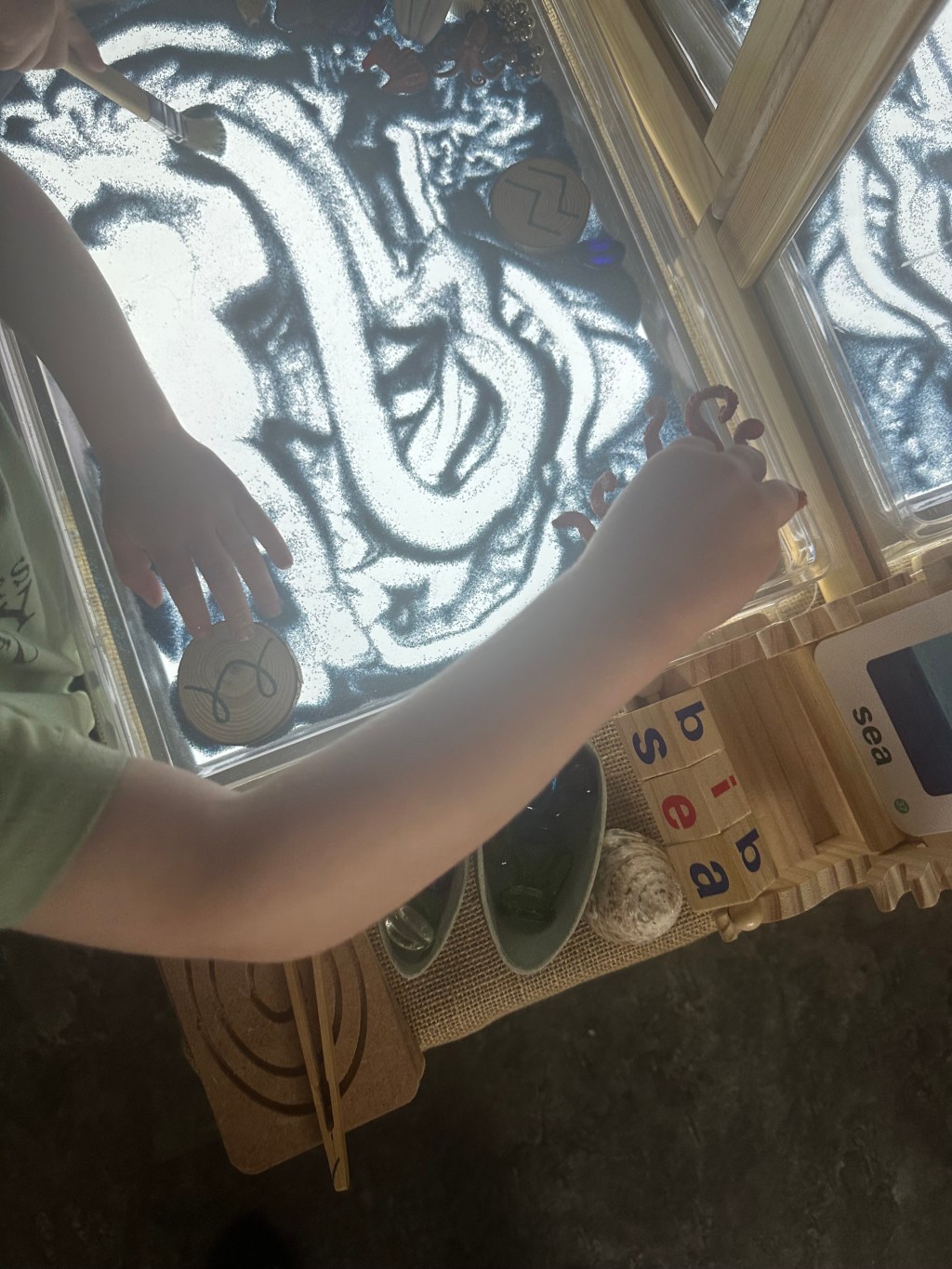
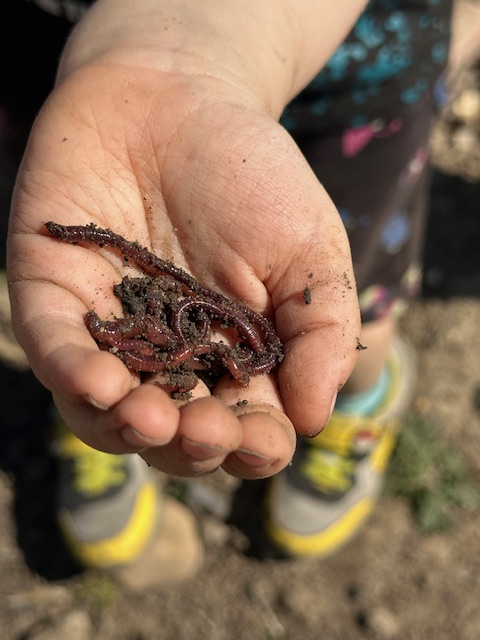
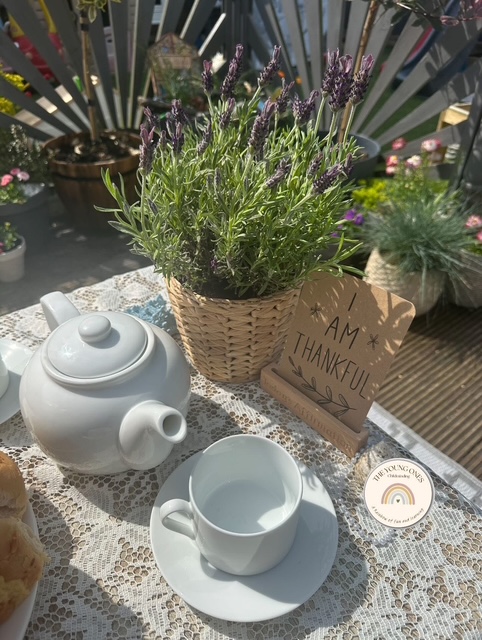
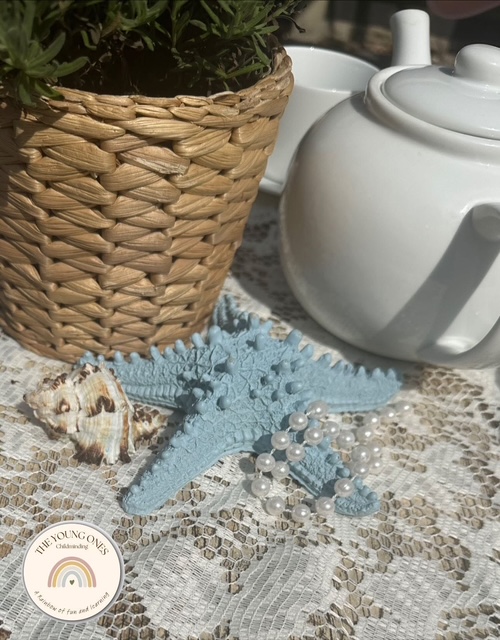
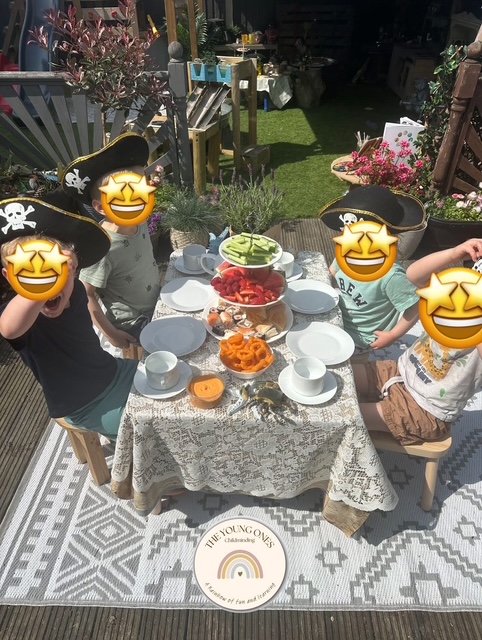
    This week in our setting, we’ve journeyed through all kinds of learning adventures. Our Young Ones discussed worms and, before long, the children had sparked a full-on nature investigation adventure and helped create their very own wormery. Meanwhile, our interest-led under-the-sea inspired learning invitations flowed into joyful pirate play — which, in true child-led spirit, ended in a self-declared “pirate tea party.” We walked to the local shop, where the children proudly chose sushi because, in their words, “pirates like fish.”

    These moments weren’t adult-designed or prescribed — they were born from the children’s imaginations, curiosities, and play. And as an early years educator, there’s nothing better than knowing that their learning is not only deep and meaningful, but also incredibly fun and relevant to them.

    After all, when children are engaged in play that excites and interests them, they don’t just learn — they thrive.


    What Is Child-Led Play?
    Child-led play is exactly what it sounds like: play that is initiated, directed, and sustained by the child. As educators, our role is to tune in — to notice what interests them, what stage they’re at, and what they need in order to extend their ideas further.

    Rather than taking the reins, we become thoughtful observers, gentle guides, and curious co-learners. We provide the environment, the materials and the emotional safety — but the learning path? That’s theirs to walk.


    Why Is It So Important?

    • It meets children where they are. Instead of pushing concepts they’re not ready for, we support the learning they’re naturally driven toward — making it more meaningful and developmentally appropriate.
    • It builds intrinsic motivation. When children are in control of their play, they’re more likely to stay focused, engaged and joyful in their learning.
    • It supports deeper learning. Real connections happen when children are truly interested — whether they’re twiddling a leaf, building a den or role-playing life as they see it. These aren’t just ‘games’. They’re opportunities to process emotions, explore new concepts and grow essential life skills.
    • It nurtures confidence and autonomy. Children learn that their ideas matter. That they can lead, decide, and explore at their own pace — and be respected for it.

    Our Role as Educators
    Child-led play doesn’t mean stepping back entirely. It means stepping in at the right moments — offering vocabulary, extending ideas, providing a new material at just the right time, or reflecting later with the child.

    It’s about understanding that the child is the curriculum — and trusting in their ability to learn through play when given the time, space and support.


    A Gentle Reminder
    Every setting is different, but in ours, child-led learning is at the heart of everything we do. We meet children exactly where they are and we build from there — gently, respectfully and with curiosity.

    Because when learning is joyful, meaningful and rooted in play, it doesn’t just stick — it sings.

    Leave a comment

  • The Importance of Continual Professional Development (CPD) in Early Years Education

    The Importance of Continual Professional Development (CPD) in Early Years Education

    In the fast-paced, ever-evolving world of early years education, there is one thing I always strive for: continual growth. As an educator, I believe that we should never stop learning, evolving or reflecting on our practice. Professional development is not just about enhancing our knowledge, it’s about committing to the best possible outcomes for the children we care for.

    Being passionate about early years education means that I find immense joy and excitement in the learning process itself. Once I finish one project, research paper, or training session, I’m already eager to move on to the next challenge. And often, those challenges overlap – because there is always room for improvement, and there is always something new to discover.

    Why is CPD so Important in Early Years Education?

    The impact of quality professional development on early years educators cannot be overstated. Continual Professional Development (CPD) is not just a box to tick, it’s a powerful tool for growth, both for you as an educator and for the children you care for. CPD helps educators refine their practice, enhance their skills and stay up to date with the latest developments and research in the field. More importantly, it allows us to:

    1. Improve Our Practice: By taking part in CPD, we continuously reflect on what we’re doing well and where we can improve. Whether it’s learning new pedagogical approaches, refining techniques or gaining a deeper understanding of child development – CPD helps us grow as reflective practitioners.
    2. Create a Positive Impact on Children: The ultimate goal of CPD is to improve the outcomes for the children we care for. The more knowledgeable and skilled we are, the more we can support children’s growth and learning. With new tools and ideas from training, we can better meet the individual needs of each child, helping them thrive in a safe and stimulating environment.
    3. Stay Engaged and Motivated: One of the most rewarding aspects of working in early years education is the chance to make a difference in children’s lives. CPD keeps us motivated, inspired and refreshed, which allows us to approach each day with enthusiasm and energy. It’s easy to become set in our ways, but training and learning new skills help us stay excited about our profession.
    4. Reflect and Adapt to Changing Needs: The world of early years education is constantly changing. New research, evolving curricula and best practices are always emerging. CPD helps us stay ahead of the curve, adapting to changes in the profession and adjusting our practice to best meet the needs of the children in our care.

    My Personal CPD Journey

    I believe in the power of professional development, and my own journey in CPD has been incredibly fulfilling. Some of my most significant milestones include:

    • Becoming a Platinum Green Tree School: This was a fantastic opportunity to integrate and showcase our commitment to environmental education and sustainability into our practice. It challenged me to think differently about how we can foster an appreciation for nature and the environment from an early age.
    • Hygge Accreditation: This was a beautiful journey where I explored how to create a warm, calm and nurturing environment for children, inspired by the Danish philosophy of hygge. It really deepened my understanding of the importance of creating an atmosphere that supports emotional well-being.
    • Gold Healthy Years Award: This award focused on promoting healthy lifestyles, both for children and educators. It gave me the tools to ensure that the children in my care learn the value of physical activity, nutrition and mental well-being from the very start.
    • Makaton Qualifications: Learning Makaton has been invaluable in supporting communication and emotional wellbeing for all children. It has not only opened doors for more inclusive communication but also helped me engage with children in a more meaningful and supportive way.

    These experiences have shaped the way I work and have enriched my practice. Each qualification and award has taught me something new about how we can create better, more effective learning environments for children.

    Exciting CPD Opportunities on the Horizon

    Currently, I’m working on some exciting new CPD that I can’t wait to share with you all soon. CPD is not just about adding new qualifications to your resume – it’s about finding ways to keep your passion for education alive and staying inspired in your work. The new courses I’m undertaking will further enhance my skills and help me stay at the forefront of educational best practices.

    Invest in Yourself and Your Provision

    As early years educators, we have the power to shape the future for the children in our care. Our impact is lasting, and it’s important that we constantly strive to be the best we can be. I would encourage every educator to invest in themselves and their provision. Whether that means attending workshops, completing formal qualifications or simply reflecting on practice, every step counts.

    • Practical Tip: Set aside time each year for CPD. Whether it’s a day-long course, an online module or reading up on the latest research, make it a priority. Continuous growth is key to staying inspired and providing the best possible care for the children.

    A Lifelong Journey of Learning

    The journey of professional development is never over. There’s always more to learn, new tools to explore and innovative ways to improve our practice. By investing in our growth as educators, we ensure that the children we care for receive the best possible start in life. After all, they deserve our very best.

    I encourage all educators to take the time to engage in CPD and reflect on how they can continue to develop their practice. It’s an exciting journey, and the benefits for both you and the children are immeasurable….

    So, what will your next CPD adventure be?

    (Please share with us any CPD that has supported you in your journey, that you found particularly impactful or that you found especially enjoyable – either in the comments or on our social media. I can’t wait to hear all about it)!

      Leave a comment

      Pages: 1 2

    • Building Strong Relationships with Young Children: The Importance of Attachment

      Building Strong Relationships with Young Children: The Importance of Attachment

      As early years educators, whether you’re a childminder or a nursery practitioner, one of the most important aspects of your role is to create a safe, nurturing and supportive environment for the children in your care. While many parents and caregivers naturally focus on physical needs like feeding, clothing and safety, the emotional needs of children are equally vital for their growth, development and wellbeing.

      At the heart of this emotional support is attachment – the deep emotional bond that forms between a child and their primary caregivers. The quality of these relationships has a significant impact on a child’s overall well-being and development. Understanding and fostering healthy attachment is essential in the early years.

      What is Attachment?

      Attachment refers to the bond that children form with their caregivers, which provides them with a sense of security and safety. This bond is formed through consistent, responsive interactions and builds the foundation for emotional regulation, trust and social development.

      In the early years, children are particularly sensitive to the quality of their relationships. Positive attachment experiences help children feel safe, loved, and understood, which is crucial for their mental, emotional and social development.

      Why Attachment Matters in Early Childhood

      1. Emotional Development: Children who have secure attachments with their caregivers tend to develop strong emotional regulation skills. They learn how to manage their feelings, cope with stress, and express emotions in healthy ways. These children are also better equipped to form positive relationships with others.

      2. Social Skills: Attachment in early childhood lays the groundwork for how children interact with others as they grow. Children with secure attachments are more likely to show empathy, engage in positive social interactions, and develop strong peer relationships.

      3. Cognitive and Language Development: Secure attachment helps create a safe base for exploration and learning. Children who feel secure are more confident in exploring their environment, trying new things, and engaging in cognitive tasks. This exploration and engagement are key drivers of language and cognitive development.

      4. Long-Term Mental Health: A strong attachment bond in the early years can set the stage for healthier mental health outcomes throughout childhood and into adulthood. Children who experience secure attachment are less likely to experience anxiety, depression or behavioural problems.

      How Can Childminders and Nursery Staff Foster Strong Attachments?

      1. Be Consistently Responsive to Children’s Needs: One of the most important ways to foster secure attachment is to be consistently responsive to a child’s physical and emotional needs. Whether it’s offering comfort when a child is upset or providing praise when they achieve something, consistency helps children feel understood and valued.

      • Practical Tip: Respond to verbal and non-verbal cues from the children. If a child reaches out for comfort or needs assistance, try to meet those needs in a calm, caring manner. Over time, this builds trust.

      2. Establish Predictable Routines: Children feel more secure when they know what to expect. Creating a predictable and consistent routine helps children feel safe and reduces anxiety. It’s important to provide structure in the daily schedule, but also to remain flexible to the children’s emotional needs.

      • Practical Tip: Create a visual schedule with pictures that children can refer to throughout the day. This helps younger children, especially those who are non-verbal, understand what’s coming next.

      3. Create a Warm and Inviting Environment: Children need to feel emotionally safe in their environment. A warm, inviting atmosphere allows children to explore and learn, knowing that there is a safe haven they can return to when they need it. Your body language, tone of voice and facial expressions play a large role in this.

      • Practical Tip: Use open body language, maintain eye contact, and speak in a soothing tone when interacting with children. A friendly and approachable demeanor invites children to come to you for support.

      4. Offer Comfort and Reassurance: When children are upset or distressed, your ability to offer comfort and reassurance plays a critical role in strengthening the attachment. Whether it’s through a gentle touch, a cuddle or words of encouragement – children need to feel supported during challenging moments.

      • Practical Tip: When a child is upset, kneel down to their level, acknowledge their feelings, and offer reassurance. Simple phrases like, “I see you’re upset, and I’m here to help” go a long way in making children feel safe.

      5. Be Present and Engage: Quality time spent with children is one of the best ways to form secure attachment. Engage in activities that foster connection, such as reading together, playing games, or simply talking and listening to them. Active engagement helps children feel valued and understood.

      • Practical Tip: Get down to the child’s level during playtime and actively participate. Whether it’s building with blocks or drawing, your involvement helps them feel secure and appreciated.

      6. Encourage Emotional Expression: Allowing children to express their emotions in a safe and supportive environment helps them understand their feelings and develop emotional regulation skills. Recognise and validate their emotions, which helps them feel understood.

      • Practical Tip: If a child is feeling sad, angry, or frustrated, encourage them to talk about their feelings. You might say, “It looks like you’re feeling cross. Can you tell me what has happened?” This encourages emotional expression and problem-solving.

      Building strong relationships with young children through attachment is one of the most powerful tools you have as a childminder or nursery practitioner. By being responsive, creating a nurturing environment and fostering emotional security, you’re helping children develop the skills they need for a lifetime of healthy relationships, resilience and emotional well-being.

      Remember, the way we connect with children in their early years has lasting effects and the bonds we create today can positively impact their future development. The children in your care need to feel safe, seen and supported in every way – and as early years educators, you are key to making that happen.

      Leave a comment

      Pages: 1 2

    • Let’s Talk About – Domestic Violence and Abuse: Support, Information and Reassurance

      Let’s Talk About – Domestic Violence and Abuse: Support, Information and Reassurance

      Domestic violence or abuse can affect anyone, regardless of age, gender, or background. If you’re worried that someone might notice or check on the pages you’ve visited, the Women’s Aid website offers guidance on how to cover your tracks online to protect your privacy.

      What is Domestic Violence and Abuse?

      Domestic violence, also referred to as domestic abuse, encompasses physical, emotional and sexual abuse that occurs in intimate partner relationships or between family members. It can happen to anyone and unfortunately, anyone can be an abuser.


      Getting Help and Support for Domestic Violence

      You do not have to wait for an emergency situation to reach out for help. If you’re experiencing domestic abuse, it’s important to talk to someone and remember that you are not alone.

      Information and Support Resources:

      • For women: Call the Freephone National Domestic Abuse Helpline run by Refuge at 0808 2000 247, available 24/7, offering confidential, non-judgemental information and support.
      • For men: Call Men’s Advice Line at 0808 8010 327 (Mon-Fri 10am-8pm) or visit their webchat (Wed 10am-11:30am & 2:30pm-4pm) for information and support.
      • For LGBT+ individuals: Call Galop at 0800 999 5428 for emotional and practical support.
      • For forced marriage or honour crimes: Call Karma Nirvana at 0800 5999 247 (Mon-Fri 9am-5pm) or GOV.UK Forced Marriage Unit at 020 7008 0151.

      In emergencies, always call 999. You can also email for support. When emailing, please specify when and how it is safe to respond:

      The Survivor’s Handbook from Women’s Aid is a free resource that provides essential information about housing, money, children’s support, and legal rights.

      If you’re concerned about your own behaviour, the Respect Helpline can provide support. Call 0808 802 4040 for confidential, free advice.


      Signs of Domestic Violence and Abuse

      Domestic violence is fundamentally about power and control. There are different forms of abuse, and it can be hard to recognise, especially when the abuser acts differently around others. Here are some questions to help you identify potential abuse:

      Emotional Abuse:

      • Does your partner belittle or put you down?
      • Do they blame you for arguments or abuse?
      • Do they isolate you from family or friends?
      • Do they control your access to money or essential items?
      • Do they monitor your social media or invade your privacy?

      Threats and Intimidation:

      • Are you ever threatened with harm or death?
      • Do they destroy your belongings or intimidate you physically?
      • Are you ever made to feel fearful of their actions?

      Physical Abuse:

      • Has your partner slapped, punched, kicked, or physically harmed you?
      • Have they ever burned or choked you, or thrown things at you?

      Sexual Abuse:

      • Have they touched you in ways you didn’t want?
      • Are you pressured into unsafe or unwanted sexual activity?
      • Are you made to have sex when you don’t want to, even with a partner?

      General Signs of Abuse:

      • Have you ever felt afraid of your partner?
      • Have you changed your behavior out of fear of what they might do?

      If you answered “yes” to any of these, you might be in an abusive relationship. Help is available, and you don’t have to face this alone.


      Domestic Abuse During Pregnancy

      Unfortunately, domestic abuse often increases during pregnancy. If you are pregnant and facing abuse, it can get worse as the relationship dynamics change. It’s essential to seek support, both for your safety and the safety of your unborn child.


      If You Decide to Leave

      The first step in escaping an abusive situation is realizing that you are not alone, and it’s not your fault. Before leaving, it’s important to get advice and create a safety plan. Some organizations that can help with safety planning are:

      • Women’s Aid (for women)
      • Men’s Advice Line (for men)
      • Galop (for LGBT+)

      If you plan to leave, be careful who you tell, and make sure the person abusing you does not find out where you’re going. Women’s Aid provides practical advice on making a safety plan for both men and women.


      Signs of Domestic Abuse on Children

      Domestic abuse often impacts children who witness it. It’s important to be aware of the signs that a child may be affected:

      • Aggression, bullying, or anti-social behavior
      • Anxiety, depression, or suicidal thoughts
      • Bed-wetting, nightmares, or insomnia
      • Frequent sickness or unexplained health issues
      • Eating disorders or substance use
      • Problems in school or learning difficulties
      • Withdrawal or isolation

      If you notice any of these signs, it’s important to seek support for both you and your children.


      Effects of Domestic Abuse on Children

      Children who live in homes with domestic abuse may experience long-term effects on their mental, emotional, and physical wellbeing. These impacts can last into adulthood if left unaddressed.

      What’s crucial is ensuring that the abuse stops and that children are provided with a safe, stable environment where they can heal.


      Support for Adults and Families Affected by Domestic Abuse

      There are several support services available:

      • Relate: Call 0300 003 0396 for support with relationship issues, including domestic abuse.
      • National Domestic Violence Helpline: Call 0808 2000 247 (24/7).
      • Men’s Advice Line: Call 0808 801 0327 for men experiencing domestic abuse.
      • National LGBT+ Domestic Abuse Helpline: Call 0800 999 5428 for LGBT+ individuals.

      Help for Those Worried About Their Behaviour

      If you think you may be abusive, or are concerned about your behaviour, help is available.

      You can call NSPCC at 0808 800 5000 or email help@nspcc.org.uk for advice and support.

      You can also reach out to Respect at 0808 802 4040 (Mon-Fri 9am-5pm) for confidential help. Their webchat service is available on Tuesdays and Thursdays.


      Remember, you are not alone, and help is available. There are professionals who care and can support you through the difficult journey of healing, whether you are experiencing abuse, have witnessed it, or are concerned about your own behaviour.

      Take the first step – reach out, ask for help, and know that there is a path to safety, peace and healing.

      Leave a comment

      Pages: 1 2