Tag: education

  • Holding On to Hope: The Reality and Resilience of Early Years Today

    Holding On to Hope: The Reality and Resilience of Early Years Today

    There is no denying it anymore: the early years sector is standing in the middle of a storm.

    Childminder numbers continue to fall at an alarming rate. Nurseries are closing their doors. Practitioners — some of the most compassionate, dedicated people you could ever hope to meet — are walking away from a job they love because the emotional weight, financial strain, and daily pressures have become simply too much.

    And yet, every morning, across thousands of homes, gardens, nurseries, and classrooms, something extraordinary still happens.

    Children are welcomed into spaces full of warmth and wonder.
    Tiny hands are held.
    Questions are answered with patience.
    Tears are soothed.
    Worries are heard.
    Play is protected.
    Magic is made out of muddy puddles, cardboard boxes, and the everyday moments most adults rush straight past.

    This is the heart of early years.
    And it beats on, even in challenging times.

    The Reality We Can’t Ignore

    And while early years is full of magic, connection, and joy, it also carries a quieter reality that deserves to be heard.

    Because behind every warm welcome in the morning, behind every smile, every moment of play and wonder, early years professionals are quietly carrying far more than most people will ever realise.

    They are navigating constant policy changes and shifting expectations, trying to keep pace with a system that often moves faster than the people working within it.

    They are stretching rising costs of food, resources, and utilities — all while funding remains painfully out of step with the true cost of quality care.

    They are pouring emotional labour into other people’s children while still holding space for their own families, their own health, and their own wellbeing — hearts stretched in every direction.

    They feel the weight of responsibility, knowing that these early years shape everything that follows. Every gesture, every moment of connection, every tiny spark of confidence matters.

    They are still, far too often, misunderstood or undervalued — mistaken for “babysitters” despite the skill, knowledge, and professional judgement woven into every day.

    They face the uncertainty of Ofsted, where inconsistency and pressure can sometimes leave dedicated professionals feeling judged rather than supported.

    This is the reality so many early years educators wake up to each morning.
    And still — they show up with love.
    With patience.
    With belief in children.
    With the quiet, steady knowledge that what they do matters.

    And yet, even with all of this, the heart of our profession still beats strong — more resilient and more needed than ever.

    For childminders especially, all of this is intensified.
    Working alone.
    Working from their own homes.

    On top of this comes the reality of inconsistent support, the loneliness and vulnerability of a home-based role, and the pressure of running a small business in a system never truly designed for them.
    It’s no wonder people feel exhausted.
    It’s no wonder numbers are falling.
    It’s no wonder so many are grieving a sector they still love.

    But even in the middle of all this… something else is happening too...

    The Difference We Make — Even When No One’s Looking

    Every single early years professional has a story.

    A child whose confidence grew because you believed in them.
    A family who felt held in their hardest moments.
    A toddler who discovered their voice, their joy, their courage, because you made space for them to shine.
    A shy child who danced for the first time.
    A little one who whispered “I did it” with pride bursting from every inch of their being.

    These aren’t small moments.
    These are life-shaping moments.

    And they happen because you show up — even when you’re exhausted, stretched, or battling your own self-doubt.

    You show up because children deserve the very best start in life.
    You show up because childhood matters.
    You show up because the work you do is love in action, learning in motion, humanity in its purest form.

    And that is something worth fighting for.

    The Shared Weight — and the Shared Hope

    One of the most powerful truths about early years is this:

    We are not alone.

    Nursery practitioners, childminders, teachers, managers, SEND specialists, support workers, forest school leaders, Nannies, wraparound care providers — we are all part of the same heartbeat. We all carry the same responsibility: to nurture, protect, and champion children.

    And yes, the pressures are real.
    Yes, the system needs change.
    Yes, passion can only carry people so far without proper recognition and support.

    But the hope?
    The hope is real too.

    It lives in every child who enters our care.
    It lives in every practitioner who refuses to give up.
    It lives in the conversations happening louder and more public than ever before.
    It lives in the advocacy, the resilience, the refusal to let early childhood become an afterthought.

    Change begins when people care enough to speak up.
    And early years professionals care more than most people will ever understand.

    A Future Worth Fighting For

    If the decline in numbers tells us anything, it is this:

    Early years needs protecting.
    It needs investing in.
    It needs valuing — not in words, but in policy, pay, support, and long-term vision.

    Because when we protect the adults who care for children, we protect childhood itself.

    And despite it all — the exhaustion, the uncertainty, the pressure — there is still something unshakeably beautiful at the heart of this work:

    Children.

    Their laughter.
    Their curiosity.
    Their tiny acts of courage.
    Their absolute belief that the world is a place worth exploring.

    They are why we’re here.
    They are why we keep going.
    They are why this sector is worth fighting for.

    And as long as children fill our homes, gardens, nurseries, and classrooms with joy and wonder…
    There will always be hope.

    Leave a comment

    Rating: 5 out of 5.

    Go back

    Your message has been sent

    Rating(required)
    Warning

  • Suspended, but Silenced: The Hidden Weight of Childminding 

    Suspended, but Silenced: The Hidden Weight of Childminding 

    Recently, I received a heartfelt message from a fellow childminder. Their words have stayed with me, not only because of the pain behind them, but because they shine a light on something rarely spoken about — the quiet, terrifying vulnerability many childminders live with.

    They described how, from one day to the next, their setting was suspended by Ofsted while an investigation took place. They had no warning. No timeframe. No explanation. Overnight, their business was closed, their income stopped, and their world thrown into chaos.

    And here’s the hardest part:
    they didn’t even know why.

    Weeks passed before any details were shared. In that time, bills still needed to be paid. Children and families still needed care. But the childminder was left in silence, unable to work, unable to defend themselves, unable to plan for what lay ahead.

    And this isn’t even an isolated case! I’ve received several emotional messages from heartbroken and desperate professionals — many who have now left the sector entirely. This is especially painful in a sector already stretched thin. We cannot afford to loose more passionate educators who make such a profound difference to children’s lives.

     The financial toll

    For employed people, suspension pending investigation usually comes with pay and a clear process. For self-employed childminders, there is nothing. No salary. No safety net. Insurance payouts, where available, barely touch the loss. Meanwhile, the weeks — and sometimes months — drag on.

    The emotional toll

    Imagine being dedicated to your work, pouring your heart into children every single day, only to find yourself labelled “under investigation.” And the truth is, it can happen to anyone. It doesn’t matter how committed you are, how high your standards are, or even what Ofsted rating you hold — every single childminder is vulnerable. You’re not told what for, or when it might be resolved. You just sit in limbo. Fear creeps in. Sleep disappears. Anxiety grows. And the isolation is crushing, because unlike those in larger settings, we have no team to lean on.

    Even after the investigation ends — and many are unfounded — the scars remain. Rebuilding confidence, rebuilding trust, and rebuilding your business after months away is not easy.

    The professional toll

    And yet this is a reality many childminders face. As one childminder who wrote to me said so clearly:

    “We are left completely alone to navigate a horrible time with no clear rules, no timeframe, and no support.”

    Why this matters

    This absolutely isn’t about resisting safeguarding — it’s about recognising that child safety and professional wellbeing can and must go hand in hand. Protecting children will always be paramount. It has to be! But safeguarding and fairness should not be polar opposites.

    We need:

    • Clear timeframes so investigations cannot drag on indefinitely.
    • Financial protections so childminders are not left destitute while waiting for outcomes.
    • Mental health support to help childminders cope with the stress and fear of suspension.
    • Accountability from governing bodies who hold our livelihoods in their hands.

    Because right now, childminders are left carrying all the risk, with none of the protections an employed worker would expect.

    The bigger picture

    It’s easy to overlook the hidden pressures childminders face. Parents and families see us as warm, nurturing, flexible care for their children — which we are. But behind that is the stark reality: we shoulder everything alone. No sick pay. No holiday pay. No HR support. No big team behind us.

    When a suspension happens, it isn’t just a business that suffers. It’s families left without care. Its children suddenly pulled from familiar routines. It’s livelihoods thrown into question. And it’s individuals — passionate, dedicated professionals — left broken by a system that shows them no compassion.

    If employers are expected to support their staff during suspension, why should childminders — who form the backbone of childcare for so many families — not be given the same respect?

     A call for change

    If inspections and investigations are truly about safeguarding, then the process should safeguard everyone involved, not destroy those who dedicate their lives to children.

    Childminders love their work. But love alone cannot carry the weight of financial ruin, sleepless nights, and months of uncertainty. We need systems that are just, compassionate, and accountable.

    Until then, too many will live in fear of the “what ifs” — and too many may decide the risk is simply too high.

    Because behind every suspension is not “just a childminder”.
    It’s a human being.
    It’s a family.
    It’s a life turned upside down.

    And that cannot be the price of of a system that protects children in theory, but leaves the adults who care for them unprotected in practice.

    Leave a comment

  • Simple Forest School Activities for Little Explorers

    Simple Forest School Activities for Little Explorers

    There’s something magical about the forest — the way the light dances through the trees, the crunch of leaves under little feet, and the freedom children feel when they’re surrounded by nature. Forest School isn’t just about being outside — it’s about being with the outdoors. It’s about curiosity, confidence, and connection.

    Whether you’re running a Forest School session or just heading out to your local woods with little ones, here are some simple yet powerful activities to spark learning, laughter, and a love of the wild.


     1. Stick Man Story Walk

    Inspired by the beloved book Stick Man by Julia Donaldson, take a walk through the woods and encourage children to find their own “Stick Man.” Use sticks to retell the story, act out scenes, or make your own woodland puppet show.

    Extension idea: Collect sticks of different lengths and sizes — can you measure them? Sort them? Build a den?


    2. Playdough & Clay Tree Faces

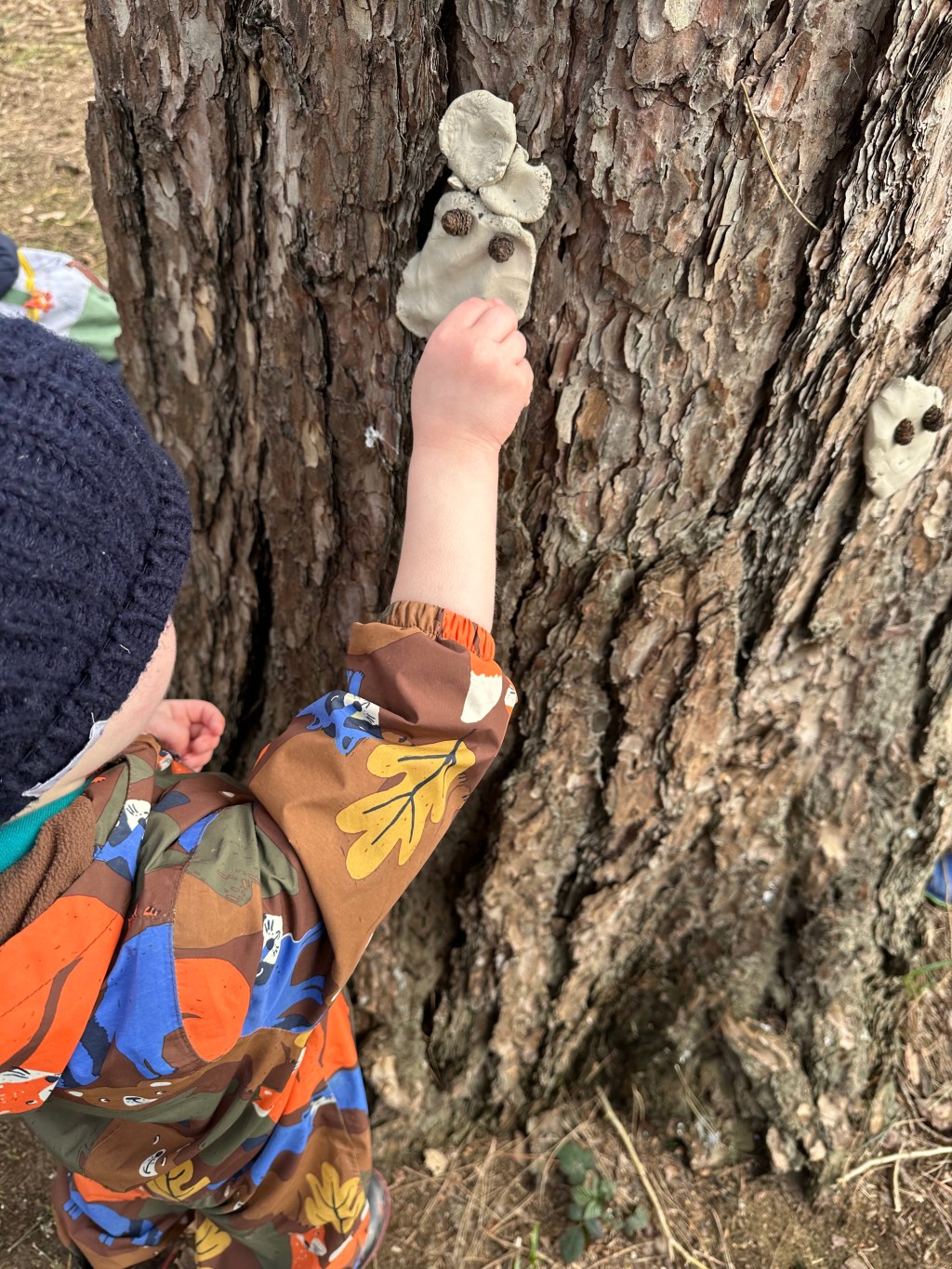
    Bring along some natural-toned playdough or forest clay and let imaginations run wild! Children can create faces on tree trunks using leaves, twigs, stones, acorns, and other natural treasures. Will it be a friendly forest spirit, a cheeky goblin, or a wise old woodland watcher?

    We’ve even made Gruffalo characters before — it’s a wonderful way to mix storytelling, fine motor skills, and sensory creativity!

    Top tip: Take photos of their creations to revisit and reflect later — especially if the weather changes them!


    3. Nature Potions

    Set up a little “potion station” using bowls, ladles, pestle and mortar, or even just open-ended containers. Encourage children to mix mud, leaves, petals, and water to create magical mixtures.

    Why it matters: This activity supports imaginative play, fine motor skills, and sensory exploration.


    4. Bird Nest Building

    Challenge children to build a nest using only natural materials — twigs, moss, grass, and leaves. Talk about where birds live, and what makes a good home. Compare your nest designs and see how well they hold an “egg” (a small stone or pinecone works well!).

    Learning link: This activity introduces early engineering, problem-solving, and empathy for animals.


     5. Listening Walk

    Slow things down with a mindful listening walk. Ask the children to close their eyes for a few seconds — what can they hear? Birds? Wind? Cracking twigs? Create a sound map by drawing or marking where each sound came from.

    This is a wonderful way to promote mindfulness, awareness, and calm.


     6. Campfire Snacks (With Safety!)

    If you have the training and setup for it, a small campfire can be an unforgettable part of Forest School. Try making chocolate baked banana, popping corn in foil, or even making dampers (twisty bread on a stick).

    REMEMBER — Always follow strict safety guidance, ratios, and permissions — and model respectful, responsible fire use.


     Forest School Is About Being, Not Just Doing

    Some of the most powerful moments in Forest School aren’t planned. They happen when a child crouches to watch an ant carry a leaf, or when they proudly balance on a fallen log for the first time. Let go of outcomes. Follow their lead. Nature is the teacher — we’re just there to walk beside them.

    Final Tip: Bring a journal or camera to document the wonder. The small moments — muddy smiles, a feather found, a whisper of “Look what I made!” — are worth remembering.

    Let’s keep nurturing a generation who loves the earth, plays with purpose, and grows with freedom. 

    Leave a comment

  • Not Built to Sit Still: Defending Childhood in an Age of Pressure

    Not Built to Sit Still: Defending Childhood in an Age of Pressure

    A Barefoot Conversation

    Why play, presence, and connection matter more than the DFE’s version of “school readiness

    A barefoot conversation with a ladybird.
    That’s what stopped me in my tracks.

    Tiny toes curled against the grass, a child crouched low and still—whispering gentle words to a ladybird resting on a leaf. No rush. No noise. Just awe. Just presence.

    And in that moment, everything made sense again. This is childhood. Not worksheets. Not school-readiness tick lists. Not quiet hands and still bottoms. But muddy feet, wonder-filled questions, and empathy blooming from the tiniest of encounters.

    We are raising little humans, not robots. And yet across the country, we’re asking four-year-olds to meet expectations built for older children. We’re asking them to sit before they’re ready, to read before they’re developmentally able — to achieve like an adult, rather than explore like a child.

    But the world doesn’t need more children who can sit still at four.
    It needs children who care.
    Children who feel.
    Children who notice the smallest creatures and imagine their stories.

    Because from these early acts of compassion — like chatting to a ladybird — come the roots of kindness, empathy, and responsibility for the world around them.


    What the Research Says

    We don’t have to guess what children need. Decades of child development research is clear: play is not a luxury—it’s a biological necessity.

    • The Harvard Center on the Developing Child highlights that young children learn best through active, joyful, and engaging experiences— not passive instruction.
    • The Alliance for Childhood and UNICEF advocate strongly for delayed formal schooling, with many European countries (like Finland and Sweden) beginning structured academic learning at age 6 or 7 — after a long foundation of play-based early years education.
    • Neurological studies show that movement, exploration, and connection are essential for developing executive function, emotional regulation, and long-term cognitive skills.

    Yet here in England, we’re still pushing four-year-olds (and younger) into formal classrooms. We’re turning play into a performance. Exploration into outcomes. And our children are paying the price.


    A Personal Reflection

    When I think of the children in my care, I think of the ones who can build entire worlds out of sticks and stones. The ones who soothe slugs and rescue worms. The ones who tell me, with complete seriousness, what the ladybirds are saying back.

    And I think of the quiet ones — the ones who thrive when they are not rushed. The ones who don’t always find sitting easy, but who can spend 40 minutes moving conkers from bowl to basket with deep, meaningful concentration.

    These aren’t children who are behind. These are children who are becoming.
    Children who are deeply engaged with their world.
    Children who will grow into compassionate, thoughtful, resilient humans — if we let them.

    And yet I see the increased pressure creeping in. From “school readiness” checklists. From misunderstood expectations. From a system that has forgotten what childhood is meant to be.


    The Bigger Picture

    This isn’t just a professional frustration — it’s a national concern. We are seeing a sharp rise in childhood mental health difficulties, and many professionals in the early years sector are sounding the alarm.

    Children today are growing up in a world that is louder, faster, and more pressured than ever before. Many are struggling with anxiety, attention difficulties, and burnout — at just four or five years old. And instead of responding with care and compassion, we are asking them to sit longer, try harder, be quieter. This is not developmentally appropriate. It is damaging.

    Every child learns in their own way. Some need movement to think clearly. Some need silence. Some learn through messy, sensory exploration, while others thrive in quiet, focused play. They are not carbon copies. They are not data points. And they are certainly not “failing” because they can’t yet conform to adult-driven expectations. If we truly care about children, then their wellbeing, mental health, and right to a childhood must become our top priority — not optional extras squeezed in between phonics and fine motor worksheets.

    Why are we ignoring the mountain of evidence? Why are we still using outdated models of achievement when the world (and the child) has changed?

    It’s time we remembered: school readiness isn’t about sitting still. It’s about being secure, curious, and emotionally equipped to handle new environments. And we build those foundations through love, play, and presence — not pressure.


    A Call to Action

    Unfortunately, we can’t wait for policymakers to catch up — because far too many of the people making decisions about children have little understanding of child development and seem unwilling to listen to those who do. The system won’t fix itself. But we can be the change, from the ground up.

    Here’s how:

    • Speak up. Share your stories, your knowledge, your child-centred practice. Help shift the narrative from achievement to wellbeing.
    • Advocate. When conversations arise about “school readiness,” bring it back to what matters: secure attachments, emotional literacy, and developmentally appropriate expectations.
    • Connect. With parents, with educators, with community leaders. The more unified our voice, the harder it is to ignore.
    • Protect play. Let children be barefoot. Let them talk to ladybirds. Let them carry sticks and ideas and questions. This is not time wasted — it is everything.

    Final Thoughts From an Educator

    One day, our children will look back on these years.

    Will they remember a world that rushed them, silenced them, and tried to make them smaller?
    Or will they remember being seen, heard, and cherished for exactly who they were?

    That gentle whisper to a ladybird might just be the first step in raising a child who will one day protect the planet, comfort a friend, or stand up for what’s right.

    And that begins not with the DFE’s current version of readiness, as described by Bridget Phillipson…
    But by people who truly understand child development and with respect for childhood.

    So, let us be the ones who slowed down.
    Who knelt beside them in the grass.
    Who made space for joy, for wonder, for messy, magnificent becoming.

    Because when we protect childhood, we protect everything that matters.

    Leave a comment

    Go back

    Your message has been sent

    Warning
    Warning
    Please rate our website(required)
    Warning
    Warning
    Warning!

  • The Words We Choose: Language, Connection and Childhood

    The Words We Choose: Language, Connection and Childhood

    Not long ago, one of the children in my care was having a quietly difficult morning. There hadn’t been a dramatic outburst or any obvious signs of upset — just a certain stillness in their shoulders, a withdrawn glance, a subtle shift in their play. When I knelt beside them and gently asked how they were feeling, they paused, looked up, and with a quiet voice and simple Makaton signs, they told me: sad.

    In that moment, everything else faded. They trusted me enough to let me in — not with perfect grammar or complicated explanations, but with a small word and a few meaningful signs. And that was all we needed. I mirrored their words, offered comfort, acknowledged the feeling, and gave time. A few minutes later, after our quiet, respectful connection, they leaned in for a cuddle and told me they felt happy.

    Language in the early years is never just about words. It’s about connection, understanding, and helping children feel truly seen.

    Language as an Emotional Bridge

    From the very first gestures and babbles, communication is an emotional act. It’s how children reach out to connect — to be understood, to belong, to share their inner world. In early years settings, we are not just supporting speech and vocabulary; we’re nurturing confidence, trust, and the beginnings of self-expression.

    Whether it’s through spoken language, Makaton, body language, or imaginative play, every child deserves to be heard — in the way that makes sense for them. That means slowing down, tuning in, and remembering that listening is just as powerful as speaking.

    Supporting Early Communication

    A rich language environment isn’t one filled with endless chatter — it’s one full of meaning. Children need us to model language thoughtfully: describing what they’re doing, naming feelings, narrating the day in a gentle rhythm that helps them make sense of the world.

    In my setting, Makaton plays an important role. It gives children another way to communicate, especially when their speech is still developing or their emotions feel too big for words. It empowers them to be part of their world, not just observers of it.

    The Power of Children’s Voices

    Children are full of ideas, questions, stories, and feelings. Honouring their voices means creating space to hear them — not just when it’s convenient, but always.

    This might be pausing to really listen when a child is explaining their block tower, giving them the language to name a feeling, or simply validating their choices. Voice isn’t always verbal — sometimes it’s found in play, in art, in silence. But it’s always there.

    Respectful Narratives and the Language We Model

    Language shapes how we see others — and how they see themselves. That’s why I choose my words carefully when speaking about children, especially around them. I avoid labels, especially negative ones, and instead focus on behaviours, feelings, and needs.

    In the early years, most educators know the importance of moving away from words such as “naughty“. It’s far more constructive and respectful to focus on what a child is expressing through their behaviour — whether we’re encouraging something positive or gently guiding them away from something less helpful. Children are always more than a moment.

    Stories That Bring Us Together

    Books and stories are another powerful part of our language landscape. They build empathy, spark curiosity, and help children make sense of themselves and the world. We read every day — not just for literacy, but for connection. There is something quietly magical about a child leaning in as you read a well-loved book, their body softening as they lose themselves in story. These moments matter.

    A Final Thought

    The words we choose matter. They build connection, foster confidence, and create the emotional blueprint for how children relate to themselves and others.

    Whether we’re signing happy with a small hand gesture, whispering reassurance after a big feeling, or narrating a story in the garden, our language helps children feel safe, respected, and deeply understood.

    And that’s the beginning of everything.

    Leave a comment

  • The Power of Child-Led Play: Why Following Children’s Interests Matters

    The Power of Child-Led Play: Why Following Children’s Interests Matters

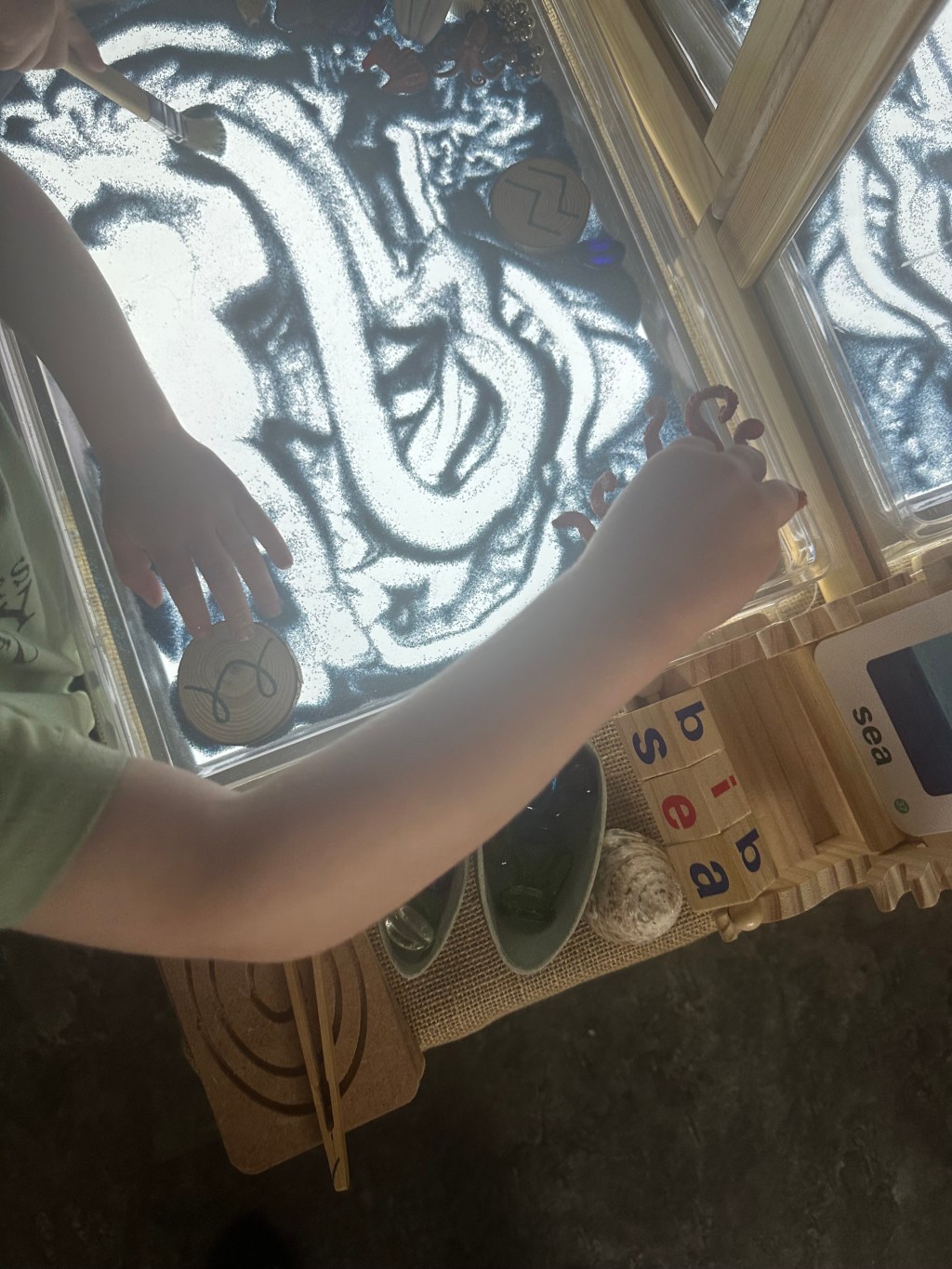
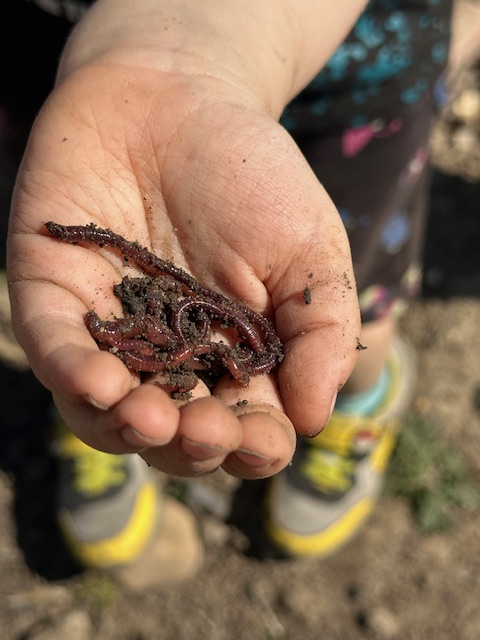
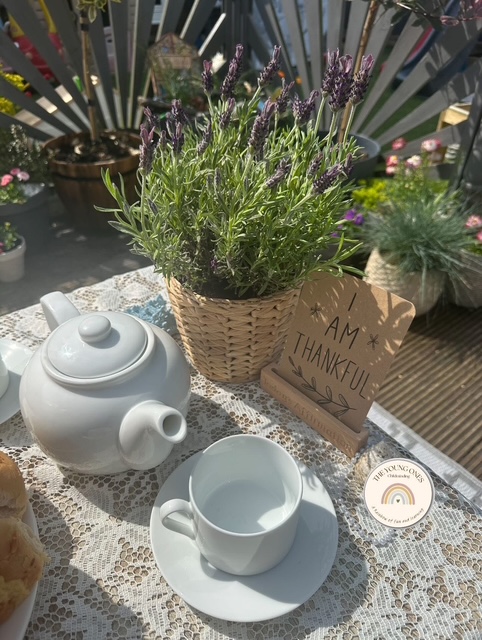
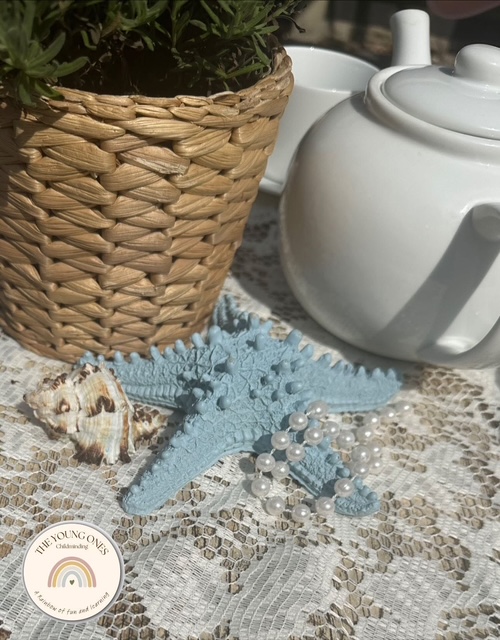
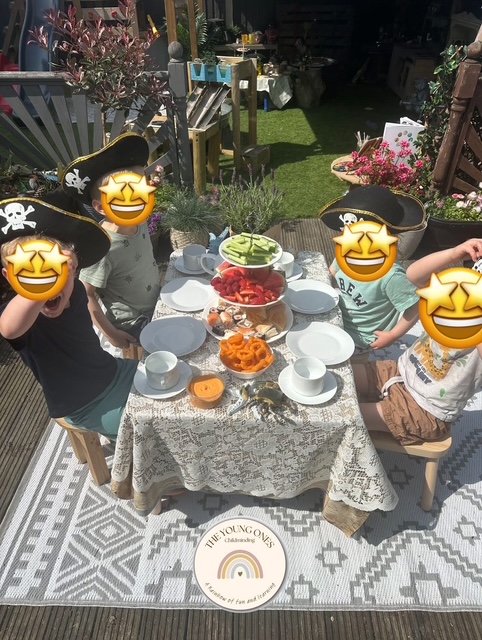
    This week in our setting, we’ve journeyed through all kinds of learning adventures. Our Young Ones discussed worms and, before long, the children had sparked a full-on nature investigation adventure and helped create their very own wormery. Meanwhile, our interest-led under-the-sea inspired learning invitations flowed into joyful pirate play — which, in true child-led spirit, ended in a self-declared “pirate tea party.” We walked to the local shop, where the children proudly chose sushi because, in their words, “pirates like fish.”

    These moments weren’t adult-designed or prescribed — they were born from the children’s imaginations, curiosities, and play. And as an early years educator, there’s nothing better than knowing that their learning is not only deep and meaningful, but also incredibly fun and relevant to them.

    After all, when children are engaged in play that excites and interests them, they don’t just learn — they thrive.


    What Is Child-Led Play?
    Child-led play is exactly what it sounds like: play that is initiated, directed, and sustained by the child. As educators, our role is to tune in — to notice what interests them, what stage they’re at, and what they need in order to extend their ideas further.

    Rather than taking the reins, we become thoughtful observers, gentle guides, and curious co-learners. We provide the environment, the materials and the emotional safety — but the learning path? That’s theirs to walk.


    Why Is It So Important?

    • It meets children where they are. Instead of pushing concepts they’re not ready for, we support the learning they’re naturally driven toward — making it more meaningful and developmentally appropriate.
    • It builds intrinsic motivation. When children are in control of their play, they’re more likely to stay focused, engaged and joyful in their learning.
    • It supports deeper learning. Real connections happen when children are truly interested — whether they’re twiddling a leaf, building a den or role-playing life as they see it. These aren’t just ‘games’. They’re opportunities to process emotions, explore new concepts and grow essential life skills.
    • It nurtures confidence and autonomy. Children learn that their ideas matter. That they can lead, decide, and explore at their own pace — and be respected for it.

    Our Role as Educators
    Child-led play doesn’t mean stepping back entirely. It means stepping in at the right moments — offering vocabulary, extending ideas, providing a new material at just the right time, or reflecting later with the child.

    It’s about understanding that the child is the curriculum — and trusting in their ability to learn through play when given the time, space and support.


    A Gentle Reminder
    Every setting is different, but in ours, child-led learning is at the heart of everything we do. We meet children exactly where they are and we build from there — gently, respectfully and with curiosity.

    Because when learning is joyful, meaningful and rooted in play, it doesn’t just stick — it sings.

    Leave a comment

  • The Importance of Continual Professional Development (CPD) in Early Years Education

    The Importance of Continual Professional Development (CPD) in Early Years Education

    In the fast-paced, ever-evolving world of early years education, there is one thing I always strive for: continual growth. As an educator, I believe that we should never stop learning, evolving or reflecting on our practice. Professional development is not just about enhancing our knowledge, it’s about committing to the best possible outcomes for the children we care for.

    Being passionate about early years education means that I find immense joy and excitement in the learning process itself. Once I finish one project, research paper, or training session, I’m already eager to move on to the next challenge. And often, those challenges overlap – because there is always room for improvement, and there is always something new to discover.

    Why is CPD so Important in Early Years Education?

    The impact of quality professional development on early years educators cannot be overstated. Continual Professional Development (CPD) is not just a box to tick, it’s a powerful tool for growth, both for you as an educator and for the children you care for. CPD helps educators refine their practice, enhance their skills and stay up to date with the latest developments and research in the field. More importantly, it allows us to:

    1. Improve Our Practice: By taking part in CPD, we continuously reflect on what we’re doing well and where we can improve. Whether it’s learning new pedagogical approaches, refining techniques or gaining a deeper understanding of child development – CPD helps us grow as reflective practitioners.
    2. Create a Positive Impact on Children: The ultimate goal of CPD is to improve the outcomes for the children we care for. The more knowledgeable and skilled we are, the more we can support children’s growth and learning. With new tools and ideas from training, we can better meet the individual needs of each child, helping them thrive in a safe and stimulating environment.
    3. Stay Engaged and Motivated: One of the most rewarding aspects of working in early years education is the chance to make a difference in children’s lives. CPD keeps us motivated, inspired and refreshed, which allows us to approach each day with enthusiasm and energy. It’s easy to become set in our ways, but training and learning new skills help us stay excited about our profession.
    4. Reflect and Adapt to Changing Needs: The world of early years education is constantly changing. New research, evolving curricula and best practices are always emerging. CPD helps us stay ahead of the curve, adapting to changes in the profession and adjusting our practice to best meet the needs of the children in our care.

    My Personal CPD Journey

    I believe in the power of professional development, and my own journey in CPD has been incredibly fulfilling. Some of my most significant milestones include:

    • Becoming a Platinum Green Tree School: This was a fantastic opportunity to integrate and showcase our commitment to environmental education and sustainability into our practice. It challenged me to think differently about how we can foster an appreciation for nature and the environment from an early age.
    • Hygge Accreditation: This was a beautiful journey where I explored how to create a warm, calm and nurturing environment for children, inspired by the Danish philosophy of hygge. It really deepened my understanding of the importance of creating an atmosphere that supports emotional well-being.
    • Gold Healthy Years Award: This award focused on promoting healthy lifestyles, both for children and educators. It gave me the tools to ensure that the children in my care learn the value of physical activity, nutrition and mental well-being from the very start.
    • Makaton Qualifications: Learning Makaton has been invaluable in supporting communication and emotional wellbeing for all children. It has not only opened doors for more inclusive communication but also helped me engage with children in a more meaningful and supportive way.

    These experiences have shaped the way I work and have enriched my practice. Each qualification and award has taught me something new about how we can create better, more effective learning environments for children.

    Exciting CPD Opportunities on the Horizon

    Currently, I’m working on some exciting new CPD that I can’t wait to share with you all soon. CPD is not just about adding new qualifications to your resume – it’s about finding ways to keep your passion for education alive and staying inspired in your work. The new courses I’m undertaking will further enhance my skills and help me stay at the forefront of educational best practices.

    Invest in Yourself and Your Provision

    As early years educators, we have the power to shape the future for the children in our care. Our impact is lasting, and it’s important that we constantly strive to be the best we can be. I would encourage every educator to invest in themselves and their provision. Whether that means attending workshops, completing formal qualifications or simply reflecting on practice, every step counts.

    • Practical Tip: Set aside time each year for CPD. Whether it’s a day-long course, an online module or reading up on the latest research, make it a priority. Continuous growth is key to staying inspired and providing the best possible care for the children.

    A Lifelong Journey of Learning

    The journey of professional development is never over. There’s always more to learn, new tools to explore and innovative ways to improve our practice. By investing in our growth as educators, we ensure that the children we care for receive the best possible start in life. After all, they deserve our very best.

    I encourage all educators to take the time to engage in CPD and reflect on how they can continue to develop their practice. It’s an exciting journey, and the benefits for both you and the children are immeasurable….

    So, what will your next CPD adventure be?

    (Please share with us any CPD that has supported you in your journey, that you found particularly impactful or that you found especially enjoyable – either in the comments or on our social media. I can’t wait to hear all about it)!

      Leave a comment

      Pages: 1 2

    • Let’s Talk About – Schematic Play

      Let’s Talk About – Schematic Play

      Understanding Schematic Play: Supporting Children’s Development Through Repeated Actions

      Watching children at play is truly fascinating! Some children seem to have a clear vision of what they want to achieve, while others may appear to be doing the same thing repeatedly, seemingly without an end goal. However, both types of play are an essential part of children’s learning journey.

      Children experience schemas of play as strong urges, which is why they can find it very difficult to stop doing something and in which they seem unable to control and compelled to complete. However, it is important that children are allowed to satisfy, channel and enhance these urges, to support and develop children’s thinking and understanding. When children are exploring their schematic play interests, they are usually highly engaged and absorbed in their task which can spark new ideas, consolidate learning and aid critical thinking skills. These “schemas” are not random; they reflect the child’s urge to understand and explore their world.

      What is Schematic Play?

      Schematic play refers to the repeated actions children engage in, which help them understand concepts like how things work, how objects interact, or the world around them. It can often be seen as children follow urges or patterns in their play, driven by their own curiosity and brain development. Each child may explore different schemas based on their interests, abilities, and developmental stage. Understanding these schemas and observing them in action allows adults – whether parents or educators – to better support children in their learning.

      Common Schemas in Early Years Play

      Here’s an overview of some key schemas and how you can support them in your setting:

      1. Transporting Schema

      Children who are exploring this schema love to move things from one place to another. You might see them filling bags, baskets, or pushing toy cars or prams around. This action helps them develop an understanding of distance, location, and object permanence. To support this schema, provide a variety of transportation tools like baskets, trolleys, trucks, and even wheelbarrows for outdoor play. Sand and water play with containers, funnels, and trays can also be great ways to explore this schema.

      2. Trajectory Schema

      This schema is often one of the earliest observed. Children are fascinated by how things move, whether it’s dropping objects, rolling balls, or simply watching things fly through the air. This schema supports their understanding of movement, force, and cause and effect. To support this, provide water or sand play with funnels and pipes, ball play, or simple experiments involving rolling and dropping objects. Streamers, bubbles, and blowing activities can also spark interest.

      3. Enveloping Schema

      When children are exploring the enveloping schema, they are interested in whether something exists when it’s hidden. This often involves wrapping, covering, or concealing objects. You might see children wrapping themselves in blankets or exploring materials like scarves or hats. To support this, offer materials like dressing-up clothes, blankets for building dens, or nesting toys such as Russian dolls. Activities like wrapping presents or creating dens will help children explore this schema.

      4. Enclosing Schema

      This schema is focused on containing or enclosing objects within boundaries. Children will enjoy placing objects inside boxes, pens, or other enclosures. It’s different from the enveloping schema in that it focuses on containment rather than hiding or wrapping. To support this, provide construction materials like blocks, fences, and track sets, or even simple creative materials for making enclosures. You might also provide materials to create borders or walls for their structures.

      5. Transforming Schema

      Children who explore the transforming schema are interested in how things change, whether in appearance, shape, or consistency. You might observe them mixing paints, changing materials, or disassembling objects. They are experimenting with cause and effect. To support this schema, offer materials like playdough, mud, sand, or gloop. Scientific experiments like mixing vinegar and baking powder can also fascinate children with this schema.

      6. Rotational Schema

      Children interested in the rotational schema are drawn to objects that spin, twist, or turn. This could include exploring wheels, spinning tops, or even spinning themselves around. This is a great way for children to develop coordination, balance, and spatial awareness. To support rotational play, provide toys with spinning components, such as windmills or cogs. You can also take children outside to roll down a hill or visit a roundabout at the park.

      7. Positioning Schema

      Positioning involves arranging, ordering, and lining things up. Children love to create patterns or group objects in a specific way. This schema is crucial for laying the groundwork for future mathematical learning. It helps children explore classification, symmetry, and sequencing. You can support this schema by providing loose parts like sticks, stones, or wooden pieces for creating patterns, as well as toys for arranging and organizing (like animals, cars, or small figures).

      8. Connecting Schema

      The connecting schema is all about linking objects together. Children may enjoy building train tracks, connecting Lego pieces, or threading beads. This schema helps children understand relationships, force, and the concept of joining and separating. To support this schema, provide construction toys, string, glue, and other materials for creating connections, such as threading beads or making junk models.

      9. Orientation Schema

      Children exploring the orientation schema are keen to understand how objects look from different perspectives. They may enjoy activities like lying on the floor or climbing to see things from above. This schema helps children develop physical confidence and spatial awareness. Encourage this schema by providing space for climbing, rolling, and swinging. Mirrors, magnifying glasses, and yoga activities can further support their exploration.

      How to Support Schematic Play

      When supporting schematic play, it’s important to observe the child’s interest and provide resources that align with their schema. Ask yourself:

      • What action is the child carrying out?
      • Have I seen the child doing this somewhere else?
      • What resources or activities could enhance or extend this play?

      Encourage their exploration by introducing new materials, tools, or challenges related to their interests. Allowing children to follow their own urges helps them learn at their own pace and strengthens their problem-solving and critical thinking skills.

      Conclusion

      Schematic play is an essential part of children’s learning and development. By understanding the various schemas, you can create an environment that fosters curiosity, engagement and deep thinking. The key is to observe children closely, identify their schema and provide resources and opportunities for further exploration. This will not only satisfy their current interests but will also help them build the skills they need for future learning.

      Leave a comment

      Pages: 1 2

    • How Long Should You Keep Out Learning Invitations and Provocations?

      How Long Should You Keep Out Learning Invitations and Provocations?

      The answer to this question isn’t set in stone, as there is no “one-size-fits-all” timeline. How long you choose to keep specific resources or materials available will depend on several factors, such as the children’s ages, abilities, interests, and how much they are engaging with the resources. It’s important to assess how much more learning can happen with these materials and if there’s room for deeper exploration.

      At The Young Ones Childminding, we ensure that our core provision – resources that are always available – is in place. However, we also enhance this provision by rotating materials and adjusting them based on the children’s current interests, developmental needs and how best to engage and challenge them. For example, books are always accessible. While some key favourites remain, we rotate others to support the children’s learning and evolving interests.

      An important aspect of using learning invitations and provocations is the continuous observation and reflection on the children’s responses. By carefully observing how children engage with materials, we can determine when they may be ready for a change or when they need more time to explore. Sometimes, children may revisit a provocation after a break, leading to fresh insights or deeper understanding. This process creates a dynamic learning cycle, where provocations are not only used once, but can be returned to at different times, allowing children to build on previous experiences. This ongoing cycle of exploration, observation, and reflection ensures that learning remains meaningful and responsive to each child’s developmental needs.

      It’s crucial to remember that there’s no rush to move on from provocations or invitations. If children are deeply involved and engaged in an activity, consider leaving it out for a longer period of time. Let their play evolve naturally. You never know where it might lead! Sometimes, children may need that extra time to fully explore or question the materials before they’re ready to move on. You can even add, remove or rotate some resources to deepen their curiosity and challenge them further.

      On the flip side, if you notice that children are showing little interest or their engagement begins to wane, it’s completely okay to switch things up. You might discover that children take the learning in directions you hadn’t imagined. This could be because they are following their own interests or schematic urges and that’s wonderful! They are constructing knowledge in their own unique way, which is always worth celebrating.

      Leave a comment

      Pages: 1 2

    • Easy Ideas for Supporting Babies’ Development

      Easy Ideas for Supporting Babies’ Development

      Simple Play for Big Development

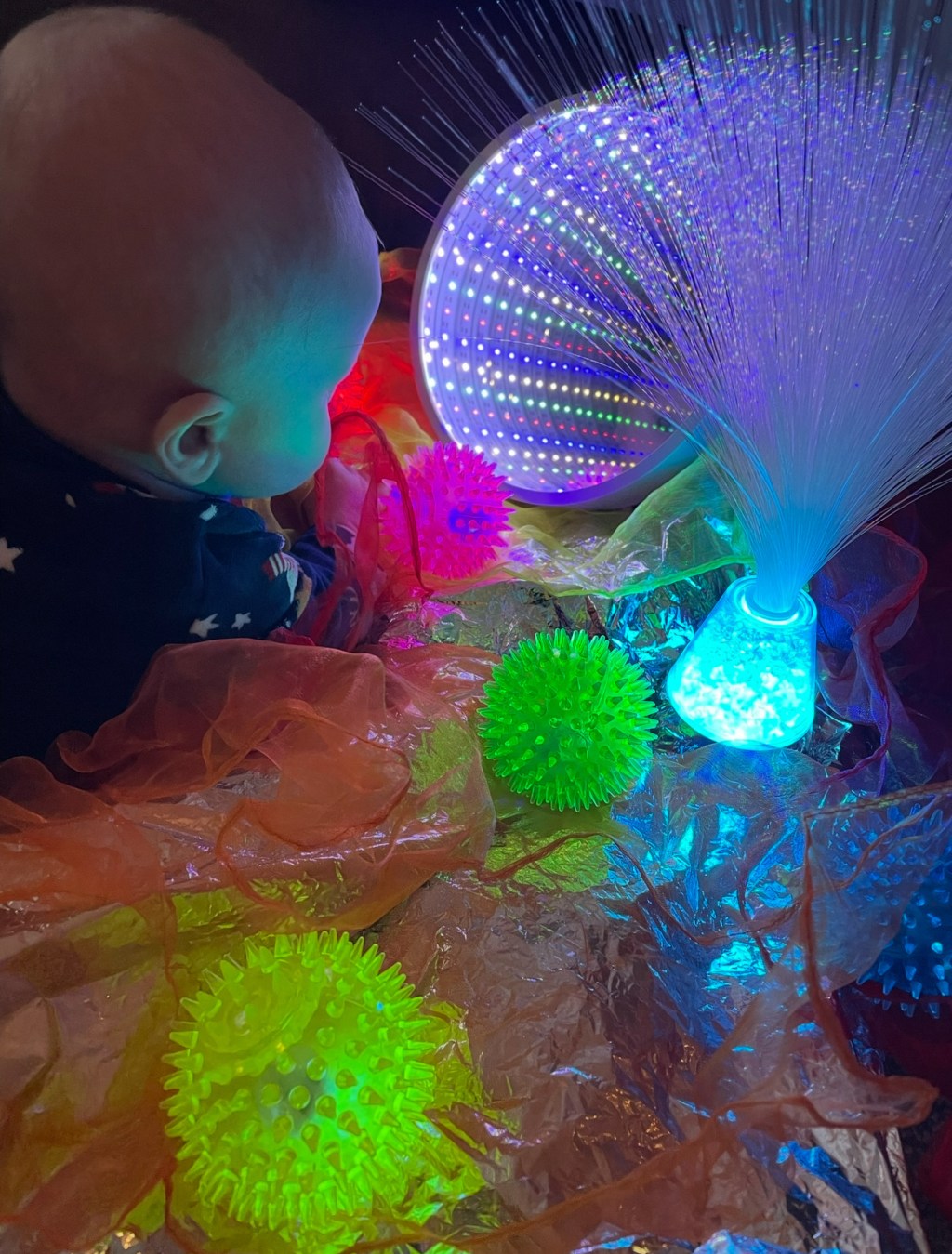
      Looking for easy, engaging ideas to support your baby’s development? These sensory-rich, baby-safe activities don’t require fancy equipment – just a bit of imagination and they’re all perfect for bonding and learning through play. Each one also supports key areas of your baby’s early development.

      1. Sensory Bottles

      Fill clear plastic bottles with materials like coloured water and oil, rice and beads or natural treasures. Make sure lids are tightly sealed.

      🧠 Supports:

      • Sensory development (visual and auditory stimulation)
      • Physical development (grasping, shaking, tummy time interaction)
      • Cognitive development (tracking, cause and effect)

      2. Tummy Time Treasure Mat

      Place safe textured items (like ribbons, foil (foil blankets from first aid kits work great), soft fabric etc) under a clear mat or a taped-down zip-lock bag for babies to look at and reach for during tummy time.

      🧠 Supports:

      • Physical development (neck and upper body strength)
      • Sensory development (touch, sight)
      • Personal, social & emotional (encouragement and praise during play)

      3. Bubble Fun

      Blow bubbles while your baby watches and reaches for them. Try singing while they float down for added fun!

      🧠 Supports:

      • Communication & language (listening and responding to singing or speech)
      • Physical development (hand-eye coordination, tracking movement)
      • Cognitive development (understanding movement and patterns)

      4. High-Contrast Picture Time

      Show black and white or high-contrast images in books or homemade cards. Let babies look, reach and react.

      🧠 Supports:

      • Visual development (tracking, contrast recognition)
      • Cognitive development (memory, attention span)
      • Communication & language (early sound play as you describe what they see)

      5. Sing & Sign Sessions

      Use simple songs and nursery rhymes alongside Makaton or hand gestures to support communication from an early age.

      🧠 Supports:

      • Communication & language (early vocabulary, non-verbal communication)
      • Personal, social & emotional (bonding, responsive interaction)
      • Expressive arts & design (music and rhythm appreciation)

      6. Treasure Baskets (Supervised)

      Offer a shallow basket with safe household objects of different materials (e.g. wooden spoon, sponge, ribbon, silicone whisk) for your baby to explore.

      🧠 Supports:

      • Sensory development (texture, shape, and sound exploration)
      • Physical development (reaching, grasping, fine motor skills)
      • Cognitive development (exploring through trial and error)

      7. Peek-a-Boo Play

      Play peek-a-boo using your hands, a scarf, or a soft book—babies love the surprise and repetition!

      🧠 Supports:

      • Cognitive development (object permanence)
      • Personal, social & emotional (bonding, emotional responses)
      • Communication & language (responsive interactions, anticipation)

      Remember: Simple, responsive play is powerful. These moments of connection support not just your baby’s development, but your relationship too.

      Leave a comment

      Pages: 1 2