Tag: educator

  • Beyond the Snapshot 

    Beyond the Snapshot 

    How we long for you to see,
    The futures grown with love, so free.
    In settings big, in settings small,
    We nurture, guide, and give our all.

    How we wish you saw the joy,
    Shaped by patience, love, and toil.
    The endless hours, the years of play,
    The care poured in, day after day.

    But you arrive and only view,
    A fleeting snapshot — an hour or two.
    A single moment, a passing glance,
    And yet from this, you cast your stance.

    How we wish you understood,
    The sleepless nights, the endless ‘shoulds’.
    The shadow cast, the constant weight,
    Of knowing one grade can seal our fate.

    You’ll never see the whispered song,
    The gentle hand when days feel long.
    The battles fought, the fears made small,
    The love that underpins it all.

    This work is heart, it’s sweat, it’s tears,
    It’s hope invested through the years.
    And yet reduced, unfairly guessed,
    By one short visit, one-day test.

    Yes — hold us to account with care,
    But meet us with respect that’s fair.
    A system shaped to guide, not take,
    To honour all that is at stake.

    So, together we raise this hopeful plea:
    There’s so much more than what you see.
    See children thriving, futures bright,
    Held in our hands, our hearts, our light.

    ©️ – Poem by The Young Ones Childminding 

    *A poem for the Early Years and Education sector, on the unseen weight of inspection, for those who promote, protect and inspire play — written by Georgina Young (The Young Ones Childminding) 

      Leave a comment

    • The Power of Child-Led Play: Why Following Children’s Interests Matters

      The Power of Child-Led Play: Why Following Children’s Interests Matters

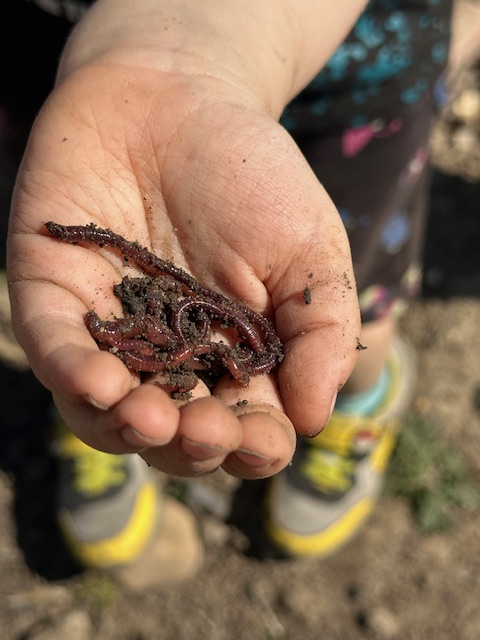
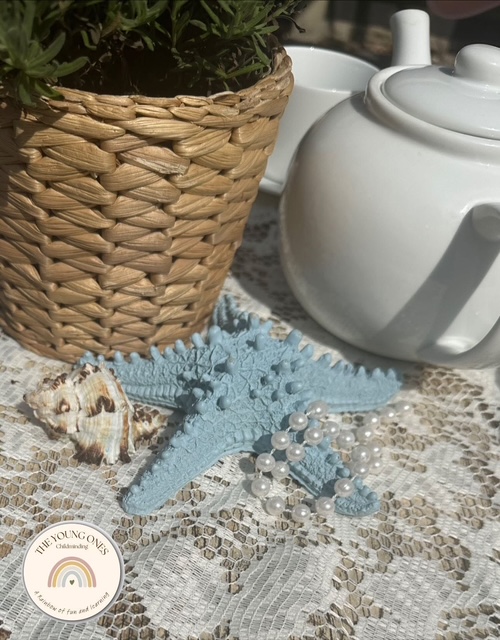
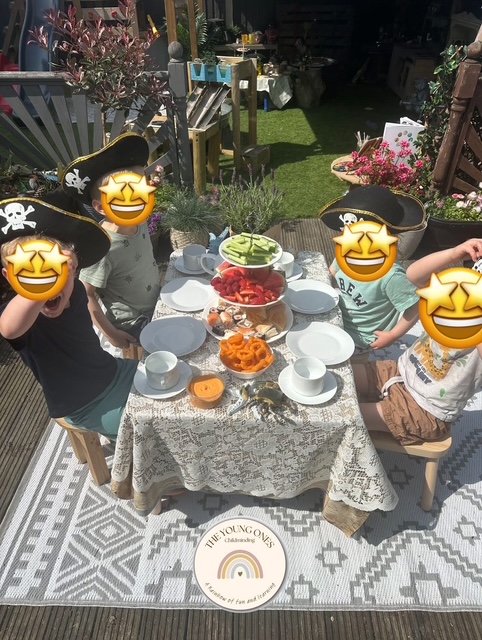
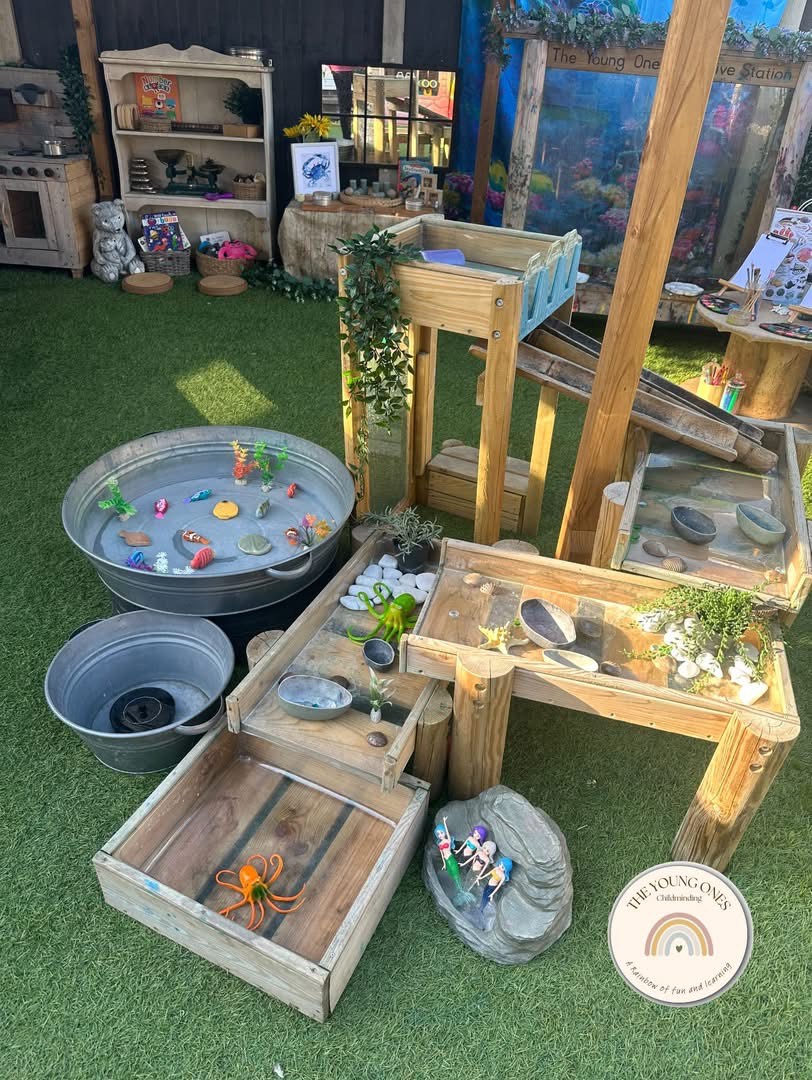
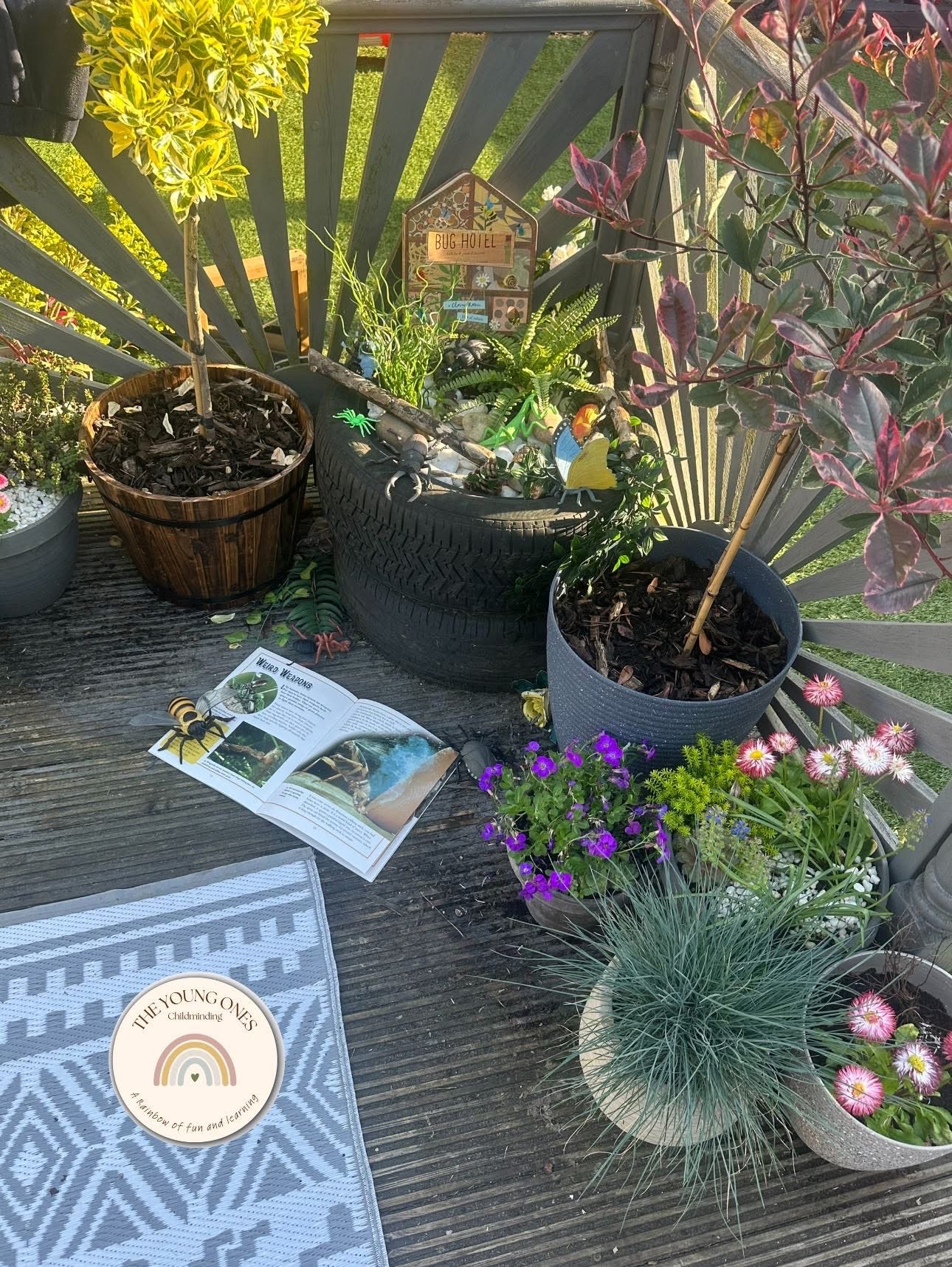
      This week in our setting, we’ve journeyed through all kinds of learning adventures. Our Young Ones discussed worms and, before long, the children had sparked a full-on nature investigation adventure and helped create their very own wormery. Meanwhile, our interest-led under-the-sea inspired learning invitations flowed into joyful pirate play — which, in true child-led spirit, ended in a self-declared “pirate tea party.” We walked to the local shop, where the children proudly chose sushi because, in their words, “pirates like fish.”

      These moments weren’t adult-designed or prescribed — they were born from the children’s imaginations, curiosities, and play. And as an early years educator, there’s nothing better than knowing that their learning is not only deep and meaningful, but also incredibly fun and relevant to them.

      After all, when children are engaged in play that excites and interests them, they don’t just learn — they thrive.


      What Is Child-Led Play?
      Child-led play is exactly what it sounds like: play that is initiated, directed, and sustained by the child. As educators, our role is to tune in — to notice what interests them, what stage they’re at, and what they need in order to extend their ideas further.

      Rather than taking the reins, we become thoughtful observers, gentle guides, and curious co-learners. We provide the environment, the materials and the emotional safety — but the learning path? That’s theirs to walk.


      Why Is It So Important?

      • It meets children where they are. Instead of pushing concepts they’re not ready for, we support the learning they’re naturally driven toward — making it more meaningful and developmentally appropriate.
      • It builds intrinsic motivation. When children are in control of their play, they’re more likely to stay focused, engaged and joyful in their learning.
      • It supports deeper learning. Real connections happen when children are truly interested — whether they’re twiddling a leaf, building a den or role-playing life as they see it. These aren’t just ‘games’. They’re opportunities to process emotions, explore new concepts and grow essential life skills.
      • It nurtures confidence and autonomy. Children learn that their ideas matter. That they can lead, decide, and explore at their own pace — and be respected for it.

      Our Role as Educators
      Child-led play doesn’t mean stepping back entirely. It means stepping in at the right moments — offering vocabulary, extending ideas, providing a new material at just the right time, or reflecting later with the child.

      It’s about understanding that the child is the curriculum — and trusting in their ability to learn through play when given the time, space and support.


      A Gentle Reminder
      Every setting is different, but in ours, child-led learning is at the heart of everything we do. We meet children exactly where they are and we build from there — gently, respectfully and with curiosity.

      Because when learning is joyful, meaningful and rooted in play, it doesn’t just stick — it sings.

      Leave a comment

    • This is More Than a Job – This is My Passion. 

      This is More Than a Job – This is My Passion. 

      Halfway through my tidy-down and reset for the next day, I was suddenly hit by a wave of emotion – an overwhelming feeling of contentment and gratitude.

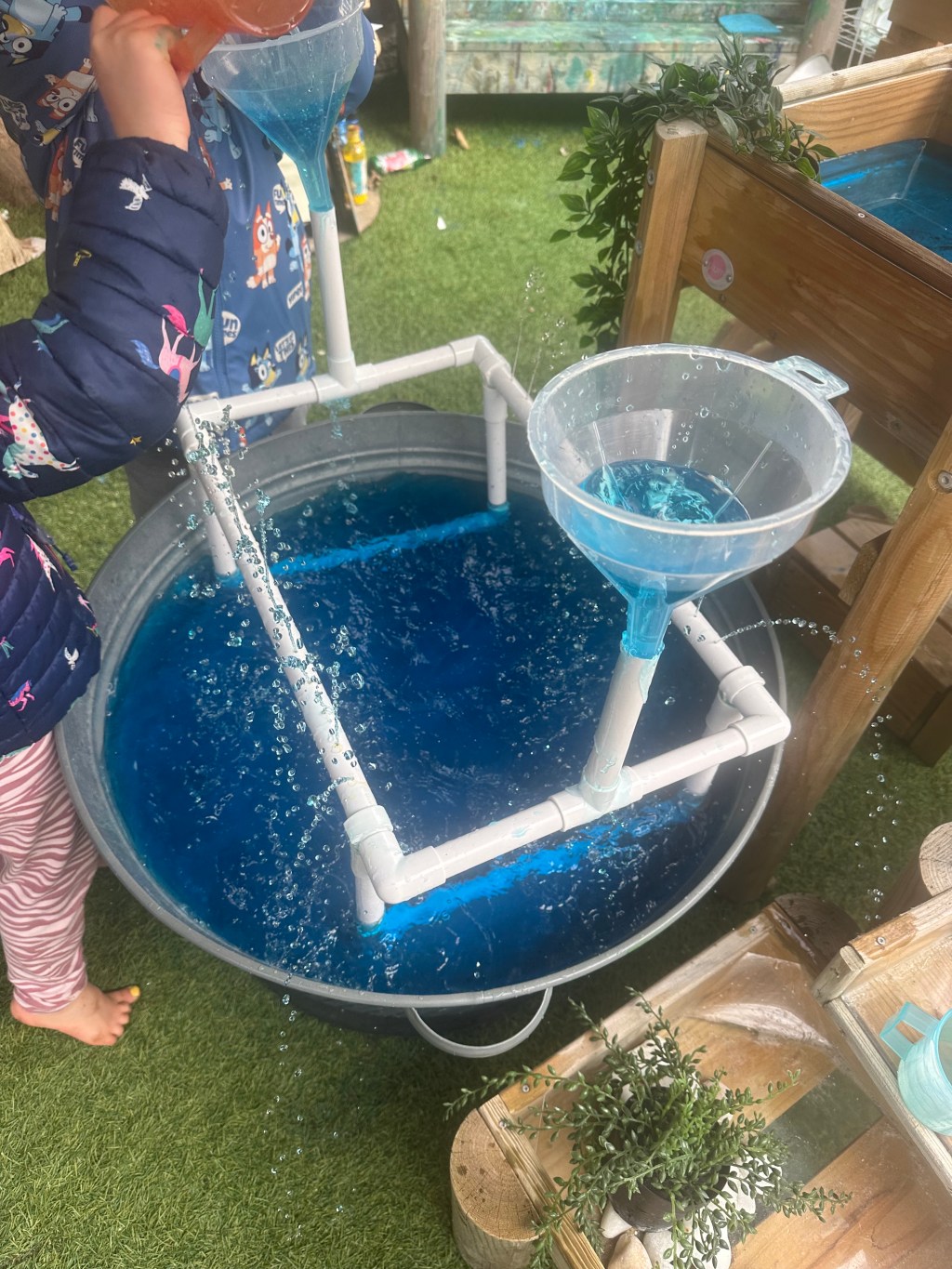
      I paused and looked around our garden learning space. All around me were the beautiful remnants of the day’s joy, exploration and learning. I had just washed the paint off the Perspex easel and restocked the creative area. I thought back to the water play, where the children had dived deep into their undersea imaginative world and the creative masterpieces made in the kitchen.

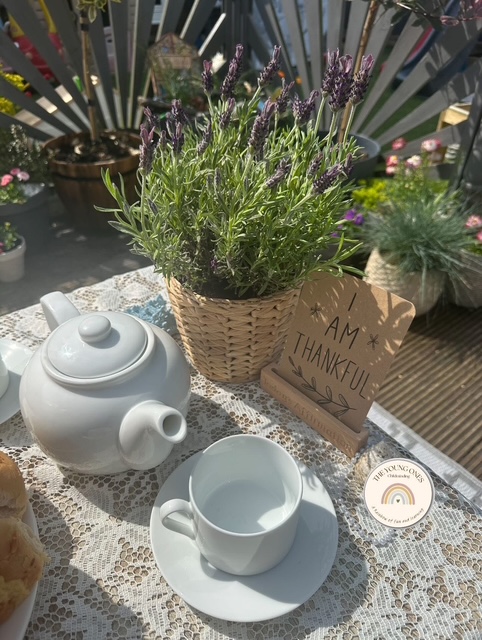
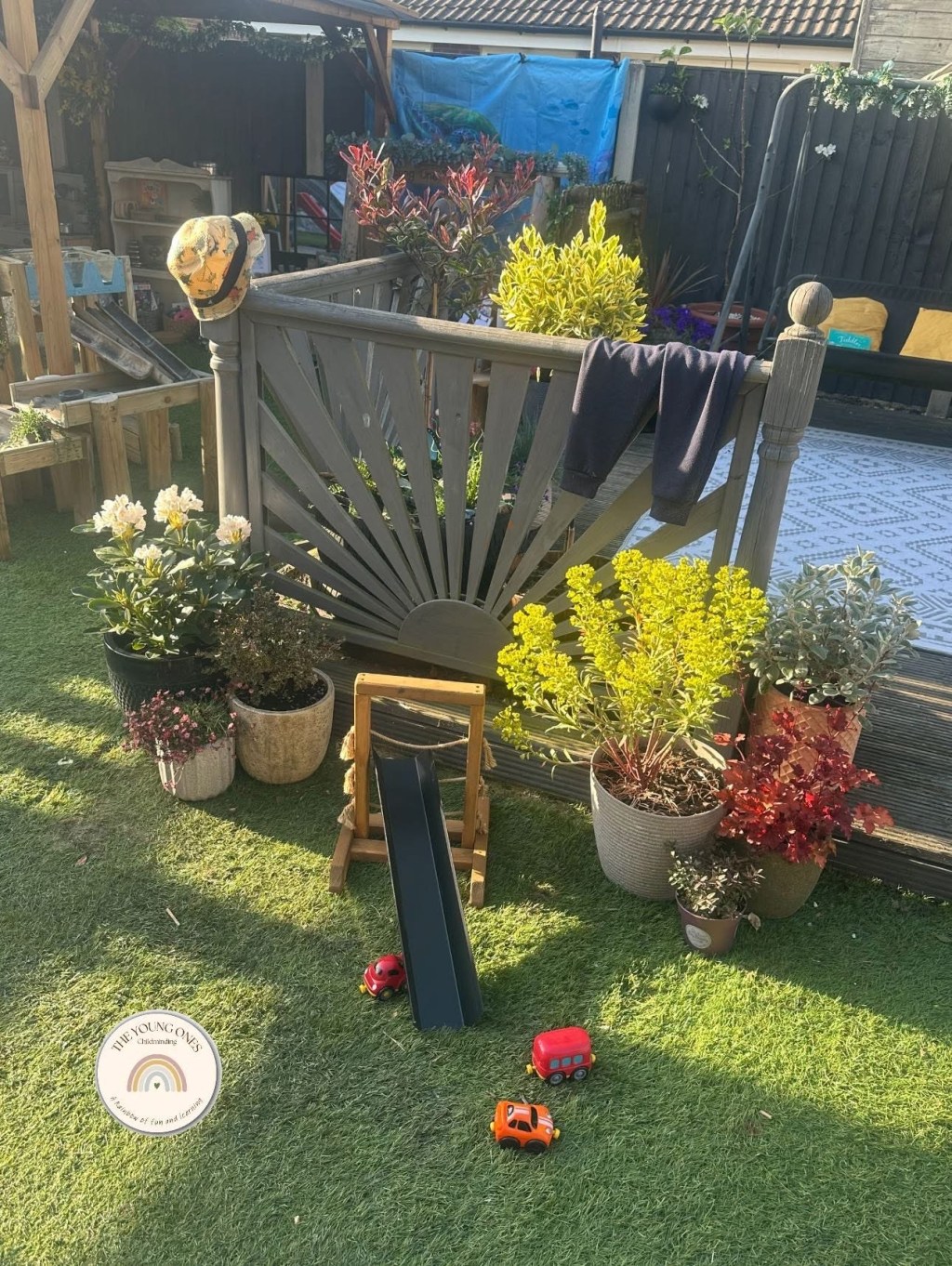
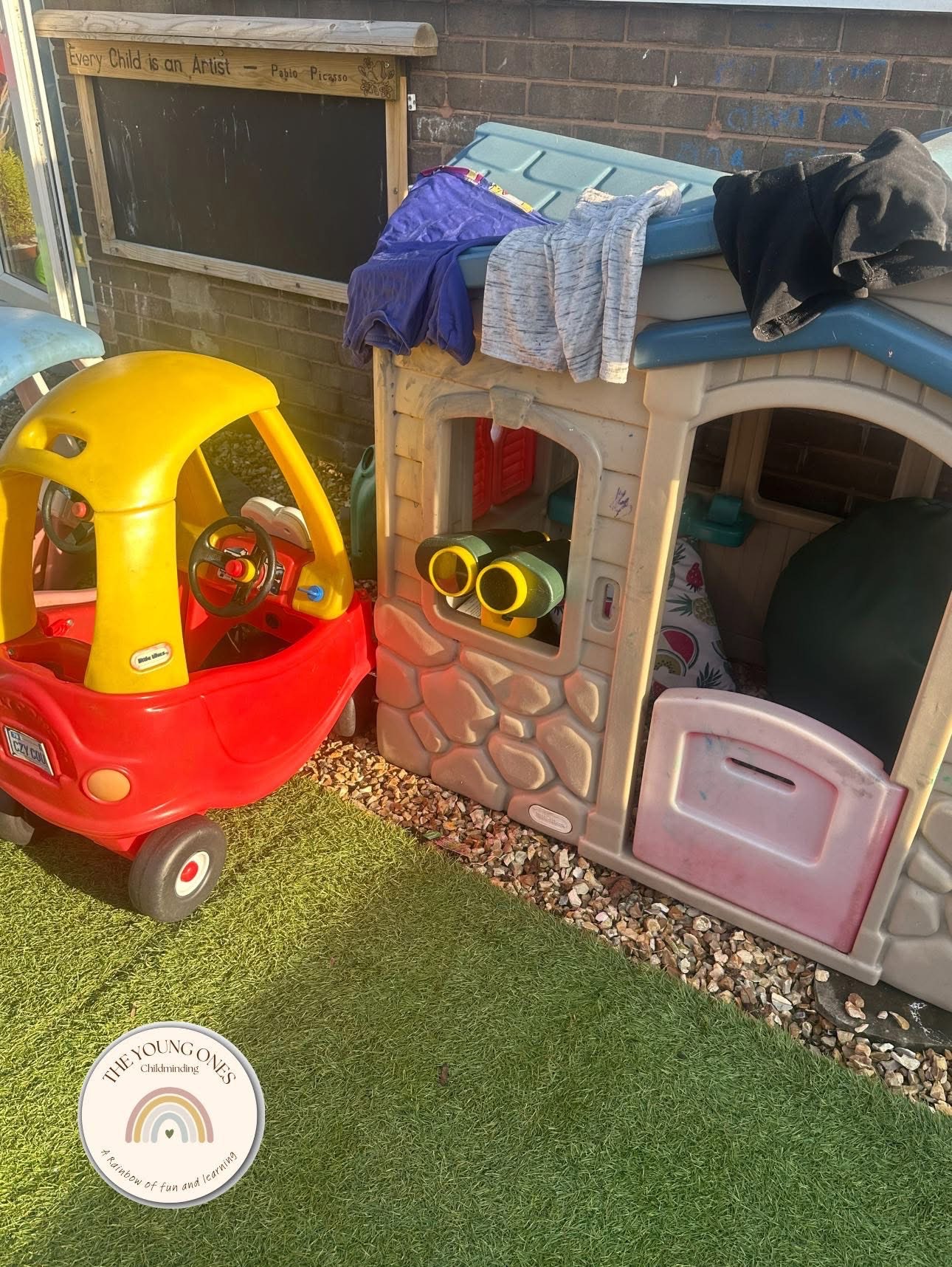
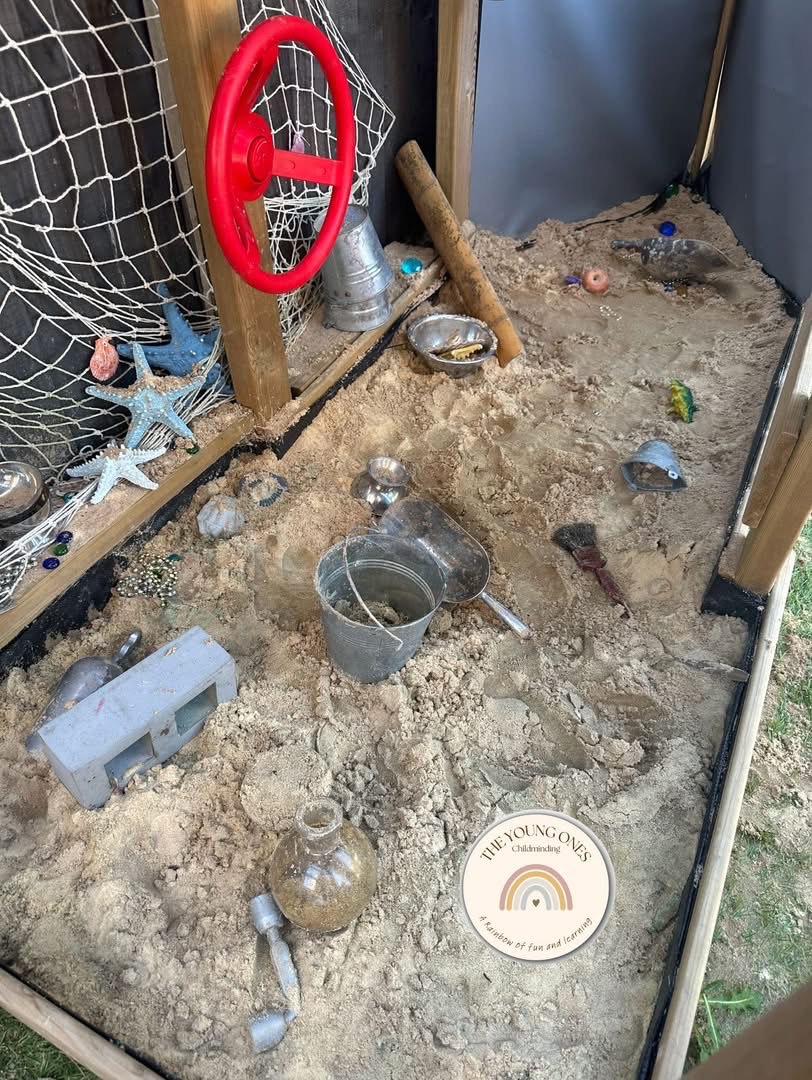
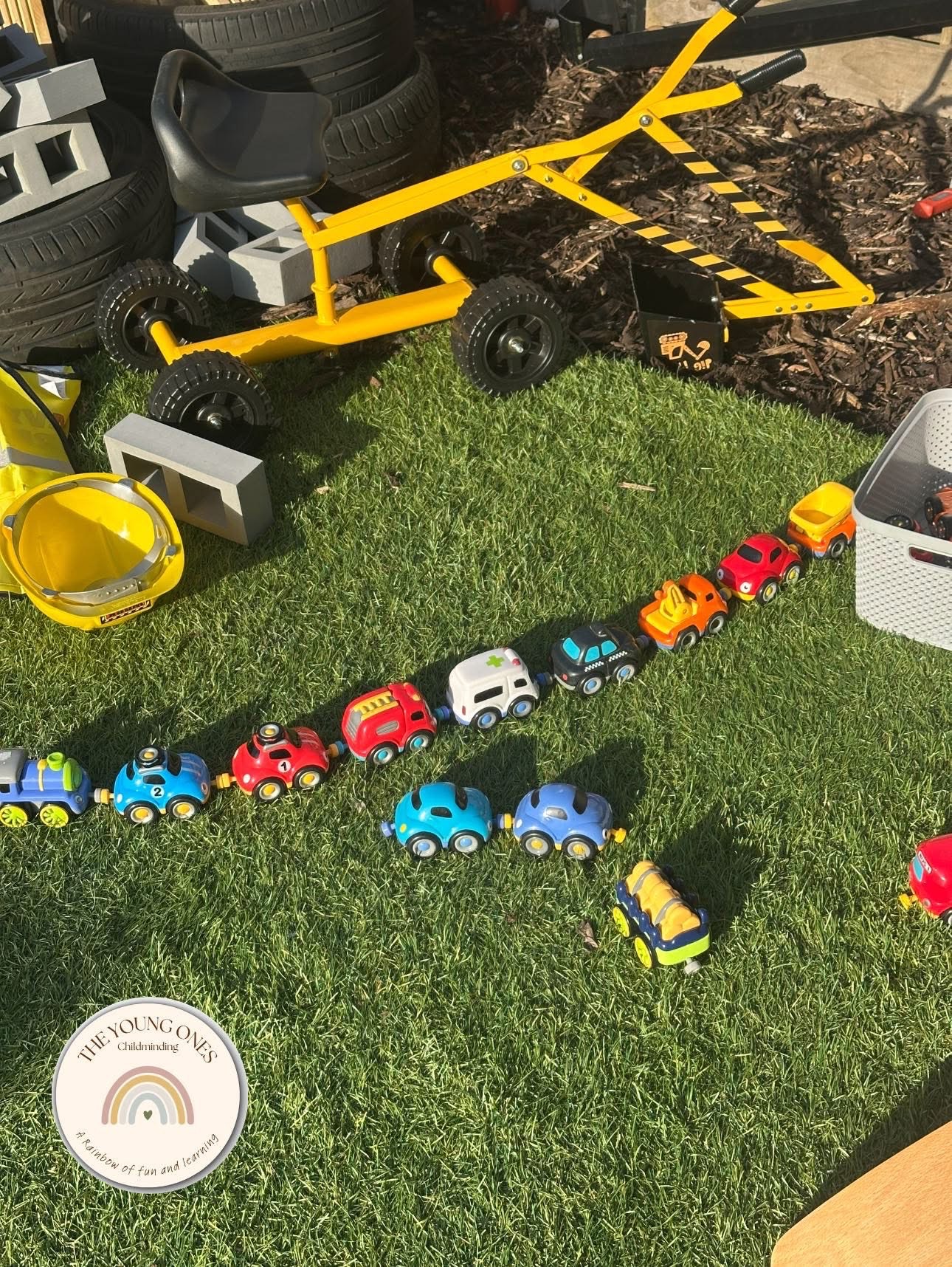
      In my mind, I could still hear their giggles as they challenged themselves to jump in and out of the paddling pool under the afternoon sun. I smiled thinking about our alfresco tea time, sharing stories and favourite moments from the day. There were still pockets of play left to sort – cars carefully lined up in the construction area, sand resources scattered across the pit, wet clothes hung to dry and watering cans left where tiny hands had helped our garden grow.

      In that moment, I felt incredibly proud. Proud of what the children had achieved and proud of myself – for the time, effort and love I pour into creating a space where they can thrive. Behind every carefully chosen resource, every thoughtful enhancement, is the deep desire to meet each child right where they are – to support their interests, nurture their development and help them become their fullest selves.

      This is more than just a job.
      This is my life.
      This is my passion.
      This is early years.

      Leave a comment

    • Building Strong Relationships with Young Children: The Importance of Attachment

      Building Strong Relationships with Young Children: The Importance of Attachment

      As early years educators, whether you’re a childminder or a nursery practitioner, one of the most important aspects of your role is to create a safe, nurturing and supportive environment for the children in your care. While many parents and caregivers naturally focus on physical needs like feeding, clothing and safety, the emotional needs of children are equally vital for their growth, development and wellbeing.

      At the heart of this emotional support is attachment – the deep emotional bond that forms between a child and their primary caregivers. The quality of these relationships has a significant impact on a child’s overall well-being and development. Understanding and fostering healthy attachment is essential in the early years.

      What is Attachment?

      Attachment refers to the bond that children form with their caregivers, which provides them with a sense of security and safety. This bond is formed through consistent, responsive interactions and builds the foundation for emotional regulation, trust and social development.

      In the early years, children are particularly sensitive to the quality of their relationships. Positive attachment experiences help children feel safe, loved, and understood, which is crucial for their mental, emotional and social development.

      Why Attachment Matters in Early Childhood

      1. Emotional Development: Children who have secure attachments with their caregivers tend to develop strong emotional regulation skills. They learn how to manage their feelings, cope with stress, and express emotions in healthy ways. These children are also better equipped to form positive relationships with others.

      2. Social Skills: Attachment in early childhood lays the groundwork for how children interact with others as they grow. Children with secure attachments are more likely to show empathy, engage in positive social interactions, and develop strong peer relationships.

      3. Cognitive and Language Development: Secure attachment helps create a safe base for exploration and learning. Children who feel secure are more confident in exploring their environment, trying new things, and engaging in cognitive tasks. This exploration and engagement are key drivers of language and cognitive development.

      4. Long-Term Mental Health: A strong attachment bond in the early years can set the stage for healthier mental health outcomes throughout childhood and into adulthood. Children who experience secure attachment are less likely to experience anxiety, depression or behavioural problems.

      How Can Childminders and Nursery Staff Foster Strong Attachments?

      1. Be Consistently Responsive to Children’s Needs: One of the most important ways to foster secure attachment is to be consistently responsive to a child’s physical and emotional needs. Whether it’s offering comfort when a child is upset or providing praise when they achieve something, consistency helps children feel understood and valued.

      • Practical Tip: Respond to verbal and non-verbal cues from the children. If a child reaches out for comfort or needs assistance, try to meet those needs in a calm, caring manner. Over time, this builds trust.

      2. Establish Predictable Routines: Children feel more secure when they know what to expect. Creating a predictable and consistent routine helps children feel safe and reduces anxiety. It’s important to provide structure in the daily schedule, but also to remain flexible to the children’s emotional needs.

      • Practical Tip: Create a visual schedule with pictures that children can refer to throughout the day. This helps younger children, especially those who are non-verbal, understand what’s coming next.

      3. Create a Warm and Inviting Environment: Children need to feel emotionally safe in their environment. A warm, inviting atmosphere allows children to explore and learn, knowing that there is a safe haven they can return to when they need it. Your body language, tone of voice and facial expressions play a large role in this.

      • Practical Tip: Use open body language, maintain eye contact, and speak in a soothing tone when interacting with children. A friendly and approachable demeanor invites children to come to you for support.

      4. Offer Comfort and Reassurance: When children are upset or distressed, your ability to offer comfort and reassurance plays a critical role in strengthening the attachment. Whether it’s through a gentle touch, a cuddle or words of encouragement – children need to feel supported during challenging moments.

      • Practical Tip: When a child is upset, kneel down to their level, acknowledge their feelings, and offer reassurance. Simple phrases like, “I see you’re upset, and I’m here to help” go a long way in making children feel safe.

      5. Be Present and Engage: Quality time spent with children is one of the best ways to form secure attachment. Engage in activities that foster connection, such as reading together, playing games, or simply talking and listening to them. Active engagement helps children feel valued and understood.

      • Practical Tip: Get down to the child’s level during playtime and actively participate. Whether it’s building with blocks or drawing, your involvement helps them feel secure and appreciated.

      6. Encourage Emotional Expression: Allowing children to express their emotions in a safe and supportive environment helps them understand their feelings and develop emotional regulation skills. Recognise and validate their emotions, which helps them feel understood.

      • Practical Tip: If a child is feeling sad, angry, or frustrated, encourage them to talk about their feelings. You might say, “It looks like you’re feeling cross. Can you tell me what has happened?” This encourages emotional expression and problem-solving.

      Building strong relationships with young children through attachment is one of the most powerful tools you have as a childminder or nursery practitioner. By being responsive, creating a nurturing environment and fostering emotional security, you’re helping children develop the skills they need for a lifetime of healthy relationships, resilience and emotional well-being.

      Remember, the way we connect with children in their early years has lasting effects and the bonds we create today can positively impact their future development. The children in your care need to feel safe, seen and supported in every way – and as early years educators, you are key to making that happen.

      Leave a comment

      Pages: 1 2

    • Calm Down Box/Basket

      Calm Down Box/Basket

      What is a Calm Down Basket/Box?

      We all experience moments when we feel stressed, overwhelmed or dysregulated – these feelings are completely normal, all be them unpleasant! A calm down box is a wonderful tool designed to help children (or even adults) manage their emotions, regulate their bodies and minds and build resilience in moments of stress.

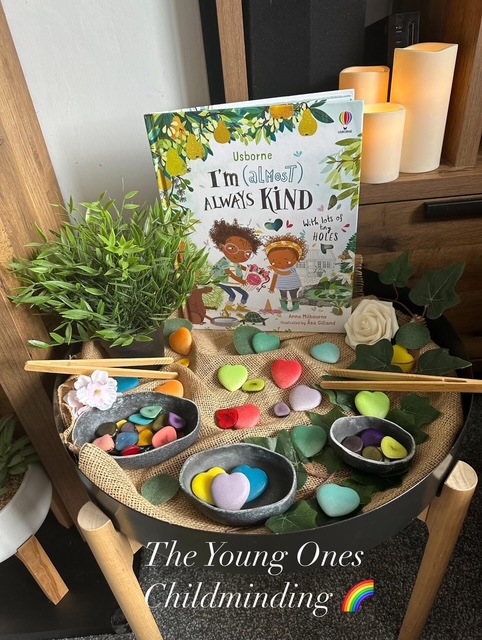
      A calm down box is a special place that holds your child’s (or your own) favourite items, specifically chosen to aid in self-regulation. These items help to restore balance by grounding the senses – whether through touch, smell, sight, sound or practicing breathing techniques.

      The Golden Rules of a Calm Down Box:

      • Choose items that are liked and age-appropriate: Make sure the contents are things your child (or you) will enjoy using.
      • Avoid screen-time items: Calm down boxes should not include screens like iPads or gaming devices.
      • Encourage independent play: The purpose of a calm down box is to (eventually) help children self-regulate on their own, so it’s important that the contents promote independent interaction.
      • Model how to use it: If your child is new to using a calm down box, you may need to show them how to engage with the items inside, especially during moments of big emotions (some children will need a longer period of time co-regulating and it is important we support them, so they can eventually self-regulate).

      What to Include in a Calm Down Box:

      If you’re wondering what to add, consider items that encourage repetitive motions or sensory experiences, such as spinning, clicking or rolling. These activities can help children focus and calm their minds. Toys with different textures, sounds and scents can be particularly effective in distracting from overwhelming emotions, helping children refocus and regain a sense of calm.

      What is a Sensory Break?

      A sensory break is a short, intentional pause from regular activities to engage in calming sensory experiences. These breaks are not just for times of stress; they can also be used when a child is feeling calm or happy. The purpose is to teach children valuable self-regulation tools that they can later use during moments of frustration or upset.

      The Benefits of a Calm Down Box and Sensory Breaks:

      A calm down box and sensory breaks offer many benefits, such as:

      • Increased mindfulness: Helping children become more aware of their emotional and physical states.
      • Reduced stress and anxiety: Sensory activities can reduce the impact of stress and encourage relaxation.
      • Improved emotional regulation: Children learn to better manage their emotions, even in challenging situations.
      • Enhanced self-awareness: Through regular practice, children become more in tune with their emotions and how to manage them.

      When we engage with our senses, such as through touch or smell, we activate the parasympathetic nervous system (PNS) – the body’s natural calming response. This response counteracts the “fight or flight” instinct, reducing heart rate, blood pressure and muscle tension. Sensory breaks also help distract the brain from anxious thoughts, redirecting focus to more calming and restorative experiences.

      A Reminder:

      Younger children may need support and guidance from adults to effectively use their calm down boxes, especially during moments of strong emotions, distress, or dysregulation. It’s important to be patient, offer gentle guidance and make it a practice that encourages emotional growth and resilience.

      Leave a comment

      Pages: 1 2

    • Let’s Talk About Food, Food Aversions, and Picky Eaters

      Let’s Talk About Food, Food Aversions, and Picky Eaters

      Some children eat everything put in front of them, while others require a bit more encouragement. It’s completely normal for children to go through phases of being picky about what they eat but I understand how frustrating picky eating can be for parents and carers. If your child is only eating certain foods, there are several strategies you can try to help form new, healthier habits. Here are some tips to help your child try more foods and cooperate at mealtimes.

      (If your child isn’t eating at all, this could be linked to illness or additional needs, and you may need to approach it differently. Please refer to the last section for more guidance.)

      Create a Positive Environment

      The setting where you eat can make a big difference. Consider these tips to create a positive atmosphere at mealtimes:

      • Sit together as a family and role model the behaviors you’d like to see. Mealtime is a great opportunity to spend time together and create positive associations with food.
      • Avoid distractions like TV during mealtimes. Distractions can interfere with your child’s ability to recognise their hunger and fullness cues.
      • Set realistic expectations for how long your child should sit at the table, keeping their age and developmental stage in mind.
      • Encourage self-feeding, which helps foster independence and positive food relationships.
      • Make sure your child feels comfortable and included at the table, and avoid rushing them.

      Don’t Force Food

      It’s important not to force food on children. While you may want them to try new things, pressuring them can have the opposite effect, causing distress and creating negative associations with eating. As long as your pediatrician says your child is healthy and eating a variety of foods, try not to worry too much about their current food preferences.

      Gently Expand the Menu

      You can be a great role model by being an adventurous eater yourself and showing your child how to have a positive food relationship. Try creating a list of new foods to try as a family and make it fun—ask, “What new food should we try tonight?” You can even turn it into a game, like Food Bingo, to make exploring new foods exciting.

      Offer Foods More Than Once

      If your child refuses a new food, try offering it again another day. Repeated exposure can help them become more comfortable with unfamiliar foods. It may take multiple attempts (often over ten tries) for a child to accept a new food. You can also encourage your child by showing them that you’re eating the food yourself. This can help normalise it.

      Provide Lots of Praise (Without Pressure)

      Avoid pressuring or bribing your child to eat a certain food, as this can create negative feelings and associations about/around food. Instead, offer new foods in a relaxed, low-pressure way. Praise your child when they’re brave enough to try something new. Some children may also appreciate knowing what they’re eating, so showing them the whole food before chopping or cooking it can help them understand what’s on their plate.

      Avoid Using Food as a Reward

      Using food as a reward can inadvertently create a negative association between certain foods and rewards. For example, children may start to see sweets as “good” and vegetables as “bad.” Instead, try rewarding them with activities such as a trip to the park or playing a game together. It’s also helpful to avoid referring to foods as “treats” for the same reasons.

      Don’t Make a Second Meal

      Rather than preparing a separate meal for your child, always try incorporating “safe foods” alongside new or unfamiliar ones. For example, if your child enjoys certain fruits or vegetables, include those on the plate along with new foods like pasta or chicken. This can make the meal more appealing and less overwhelming.

      Stay Calm with Unwanted Food

      If your child refuses to eat something, try not to react with frustration. Children can pick up on your anxiety, which could make the situation worse. Instead, calmly remove the plate without comment. Teach your child that just because they don’t like a particular food doesn’t mean the whole meal is ruined. For example, if they don’t like a pickle on their burger, encourage them to push it to the side.

      Get Little Ones Involved and Make Food Fun

      Involving children in food preparation can make them more open to trying new foods. Let them help make the shopping list, and turn food shopping into a game- perhaps trying to find certain colours or creating a “rainbow” of foods. Exploring new varieties of foods may also help your child discover preferences they didn’t know they had. For example, they might find they enjoy foods with smoky flavours or prefer sour apples over sweet ones.

      Reading stories that include food or engaging in role-playing cooking games can also help children feel more comfortable with food. Cooking together is another great way to get children interested in new foods. Look through family-friendly recipes and pick one that excites both you and your child, then prepare it together.

      What is a Food Aversion and ARFID?

      A food aversion is a strong dislike or fear of a particular food. The sight, smell, or taste of the food may cause a child to feel nauseous, gag, or even vomit. Food aversions can affect both children and adults.

      Avoidant Restrictive Food Intake Disorder (ARFID) is an eating disorder characterized by the avoidance of certain foods or food groups. Children with ARFID may restrict their food intake due to sensitivities to taste, texture, smell, or appearance. This condition can develop after a distressing experience, such as choking or vomiting, which affects their relationship with food. ARFID is also common among children with Autism Spectrum Disorder due to sensory sensitivities.

      When to Seek Professional Support

      If you’re struggling to get your child to eat a more varied diet or if you’re concerned about their health, it may be helpful to seek support from healthcare professionals such as a GP, health visitor or early intervention team. If your child is losing weight, feeling weak or lethargic or exhibiting other concerning symptoms, contact your doctor immediately. Remember, my door is always open to offer support and guidance, so don’t hesitate to reach out if you have any questions or need additional help.

      Here is the NHS link for further information and guidance –

      https://www.nhs.uk/conditions/baby/weaning-and-feeding/fussy-eaters/

      Leave a comment

      Pages: 1 2

    • What Did They Learn? 

      What Did They Learn? 

      You know you love your children 

      And want them to have fun and play, 

      But in your thoughts you’re wondering 

      What they have learnt today?

      They said they found a butterfly 

      And it flew up to the sky,

      But they gained a curiosity 

      And got them asking why? 

      They said they drew a picture 

      You saw some scribbles on a page,

      But they were developing their muscles 

      For that later writing stage. 

      They said they climbed a tricky tree 

      Though they then got a high five,

      But they really learnt to keep going 

      And continue giving it a try. 

      They said they played dressing up 

      And became a dragon big and red,

      But they were building imagination 

      And creativity in their head. 

      They said they played hide and seek

      And it was so much fun to play,

      But it taught them many social skills 

      And they made a friend today. 

      They said they read a story

      And it had a funny rhyme, 

      But they gained a special love for books 

      To last ‘til the end of time. 

      So when you’re worried they’re just playing 

      And they might fall way behind,

      Know they’re busy learning oh so much 

      In their body, soul and mind. 

      ©️ – Poem by Georgina Young – Guiding The Young Ones

      Leave a comment

      Pages: 1 2