Tag: families

  • Let’s Talk About – Domestic Violence and Abuse: Support, Information and Reassurance

    Let’s Talk About – Domestic Violence and Abuse: Support, Information and Reassurance

    Domestic violence or abuse can affect anyone, regardless of age, gender, or background. If you’re worried that someone might notice or check on the pages you’ve visited, the Women’s Aid website offers guidance on how to cover your tracks online to protect your privacy.

    What is Domestic Violence and Abuse?

    Domestic violence, also referred to as domestic abuse, encompasses physical, emotional and sexual abuse that occurs in intimate partner relationships or between family members. It can happen to anyone and unfortunately, anyone can be an abuser.


    Getting Help and Support for Domestic Violence

    You do not have to wait for an emergency situation to reach out for help. If you’re experiencing domestic abuse, it’s important to talk to someone and remember that you are not alone.

    Information and Support Resources:

    • For women: Call the Freephone National Domestic Abuse Helpline run by Refuge at 0808 2000 247, available 24/7, offering confidential, non-judgemental information and support.
    • For men: Call Men’s Advice Line at 0808 8010 327 (Mon-Fri 10am-8pm) or visit their webchat (Wed 10am-11:30am & 2:30pm-4pm) for information and support.
    • For LGBT+ individuals: Call Galop at 0800 999 5428 for emotional and practical support.
    • For forced marriage or honour crimes: Call Karma Nirvana at 0800 5999 247 (Mon-Fri 9am-5pm) or GOV.UK Forced Marriage Unit at 020 7008 0151.

    In emergencies, always call 999. You can also email for support. When emailing, please specify when and how it is safe to respond:

    The Survivor’s Handbook from Women’s Aid is a free resource that provides essential information about housing, money, children’s support, and legal rights.

    If you’re concerned about your own behaviour, the Respect Helpline can provide support. Call 0808 802 4040 for confidential, free advice.


    Signs of Domestic Violence and Abuse

    Domestic violence is fundamentally about power and control. There are different forms of abuse, and it can be hard to recognise, especially when the abuser acts differently around others. Here are some questions to help you identify potential abuse:

    Emotional Abuse:

    • Does your partner belittle or put you down?
    • Do they blame you for arguments or abuse?
    • Do they isolate you from family or friends?
    • Do they control your access to money or essential items?
    • Do they monitor your social media or invade your privacy?

    Threats and Intimidation:

    • Are you ever threatened with harm or death?
    • Do they destroy your belongings or intimidate you physically?
    • Are you ever made to feel fearful of their actions?

    Physical Abuse:

    • Has your partner slapped, punched, kicked, or physically harmed you?
    • Have they ever burned or choked you, or thrown things at you?

    Sexual Abuse:

    • Have they touched you in ways you didn’t want?
    • Are you pressured into unsafe or unwanted sexual activity?
    • Are you made to have sex when you don’t want to, even with a partner?

    General Signs of Abuse:

    • Have you ever felt afraid of your partner?
    • Have you changed your behavior out of fear of what they might do?

    If you answered “yes” to any of these, you might be in an abusive relationship. Help is available, and you don’t have to face this alone.


    Domestic Abuse During Pregnancy

    Unfortunately, domestic abuse often increases during pregnancy. If you are pregnant and facing abuse, it can get worse as the relationship dynamics change. It’s essential to seek support, both for your safety and the safety of your unborn child.


    If You Decide to Leave

    The first step in escaping an abusive situation is realizing that you are not alone, and it’s not your fault. Before leaving, it’s important to get advice and create a safety plan. Some organizations that can help with safety planning are:

    • Women’s Aid (for women)
    • Men’s Advice Line (for men)
    • Galop (for LGBT+)

    If you plan to leave, be careful who you tell, and make sure the person abusing you does not find out where you’re going. Women’s Aid provides practical advice on making a safety plan for both men and women.


    Signs of Domestic Abuse on Children

    Domestic abuse often impacts children who witness it. It’s important to be aware of the signs that a child may be affected:

    • Aggression, bullying, or anti-social behavior
    • Anxiety, depression, or suicidal thoughts
    • Bed-wetting, nightmares, or insomnia
    • Frequent sickness or unexplained health issues
    • Eating disorders or substance use
    • Problems in school or learning difficulties
    • Withdrawal or isolation

    If you notice any of these signs, it’s important to seek support for both you and your children.


    Effects of Domestic Abuse on Children

    Children who live in homes with domestic abuse may experience long-term effects on their mental, emotional, and physical wellbeing. These impacts can last into adulthood if left unaddressed.

    What’s crucial is ensuring that the abuse stops and that children are provided with a safe, stable environment where they can heal.


    Support for Adults and Families Affected by Domestic Abuse

    There are several support services available:

    • Relate: Call 0300 003 0396 for support with relationship issues, including domestic abuse.
    • National Domestic Violence Helpline: Call 0808 2000 247 (24/7).
    • Men’s Advice Line: Call 0808 801 0327 for men experiencing domestic abuse.
    • National LGBT+ Domestic Abuse Helpline: Call 0800 999 5428 for LGBT+ individuals.

    Help for Those Worried About Their Behaviour

    If you think you may be abusive, or are concerned about your behaviour, help is available.

    You can call NSPCC at 0808 800 5000 or email help@nspcc.org.uk for advice and support.

    You can also reach out to Respect at 0808 802 4040 (Mon-Fri 9am-5pm) for confidential help. Their webchat service is available on Tuesdays and Thursdays.


    Remember, you are not alone, and help is available. There are professionals who care and can support you through the difficult journey of healing, whether you are experiencing abuse, have witnessed it, or are concerned about your own behaviour.

    Take the first step – reach out, ask for help, and know that there is a path to safety, peace and healing.

    Leave a comment

    Pages: 1 2

  • Let’s Talk About – Car Seat Safety

    Let’s Talk About – Car Seat Safety

    Cold Weather and Car Seat Safety

    Winter means we need to keep our little ones warm, but did you know that babies and children should not wear coats or snowsuits in the car? ❌

    While it’s important to keep children warm, a coat or snowsuit can compress under the car seat harness by up to 4 inches! This can prevent the harness from fitting securely and safely, creating a dangerous situation in the event of a crash. Items like hoods, thin puddle suits, and anoraks can also impact how well the seat fits.

    Car seat specialist guidance recommends that children wear thin, non-slippy layers (such as fleece or a thin jumper) when in the car seat, ensuring the harness fits properly. You can keep blankets in the car to place over the harness to keep your child warm, but remember: car seats trap heat, so avoid over-wrapping your child to prevent overheating.


    Car Seat Safety and Extended Rear-Facing

    As parents, we’re all constantly learning – just like our children are. I’ll admit, before I had children, I wasn’t always as knowledgeable about car seat safety as I am now. Even now, I’m still learning! Car seat safety isn’t something that’s often taught to us, and even health visitors and midwives might not give the best advice or sometimes, car seat retailers provide incorrect information. So, how do we know what’s best?

    Sadly, many car seats are tested to meet the bare minimum safety standards, typically tested for a 30mph impact, which is only equivalent to two cars traveling at 15mph! After that, the seats often crumple. 😵

    In Sweden, however, children have been traveling rear-facing for over 50 years—and studies have shown that rear-facing seats are at least 5 times safer than forward-facing seats. In fact, children should rear-face until at least 5 years old for optimal safety (and beyond where possible).

    Why is Rear-Facing Safer?

    Frontal collisions are the most dangerous type of car accidents, where the highest speeds and forces are involved. In these situations, if a child is forward-facing, they are flung forward and the harness pins them back. This causes stress on the neck, spine and internal organs. Since children’s bones and spines aren’t fully fused yet, they are at a much higher risk during such an impact.

    To put it into perspective, a baby’s head makes up 25% of their body weight, compared to an adult’s head, which is only 6%. Rear-facing seats help counteract this forward movement, distributing the force more evenly across the child’s back and reducing stress on their developing body.

    What About Legroom?

    A common question parents ask about rear-facing seats is, “Where will their legs go?” The answer is that children are more flexible than we often think. They tend to find comfortable positions, such as sitting cross-legged or with their legs resting against the seat. In fact, many children find rear-facing seats more comfortable because their legs aren’t dangling without support.

    There are also rear-facing seats with extended legroom options – these allow the seat to be adjusted to create more space for your growing child.

    Making Informed Decisions for Safety

    As parents and caregivers, our number one job is to keep our children safe. With the right information, we can make informed choices to protect them. If you want more guidance on extended rear-facing car seats, car seat safety, or car seat fit checks, I highly recommend visiting these Facebook pages that offer professional, independent advice from trained car seat specialists:

    • Extended Rear Facing (ERF) Car Seat Safety
    • Car Seat Safety UK

    Videos and Additional Resources:

    Check out these videos to learn more about car seat safety and rear-facing benefits:

    And read this helpful article from Axkid about rear-facing myths and how rear-facing seats actually protect your child’s legs: Axkid – Rear-Facing Myths


    Team Tex Seats and Other Brands

    Unfortunately, a company called Team Tex, known for producing low-quality, budget car seats, is commonly bought by parents who may not be aware of the risks. These seats often fail crash tests and are unable to withstand even minor impacts. Some Team Tex seats are sold with cheap materials and poor construction, and they have failed crash testing multiple times.

    Other well-known car seat brands may also fall short in terms of safety testing. While some brands claim to do additional tests, these may only focus on individual aspects like material strength, not on the seat’s overall performance in a crash.

    Swedish Plus-tested seats are the best option when it comes to safety. These seats have undergone the toughest testing in the world. Some brands with Swedish Plus-tested seats include:

    • Axkid
    • Avionaut
    • Britax
    • BeSafe

    Some other brands like Joie and Graco also offer some Swedish Plus-tested options and seats with high safety ratings.


    At the end of the day, it’s important that we, as parents and carers, make decisions that are best for our children. With proper knowledge and expert advice, we can ensure our children are as safe as possible while traveling.

    Let’s keep our little ones as protected as we can – always.

    Leave a comment

    Pages: 1 2

  • Calm Down Box/Basket

    Calm Down Box/Basket

    What is a Calm Down Basket/Box?

    We all experience moments when we feel stressed, overwhelmed or dysregulated – these feelings are completely normal, all be them unpleasant! A calm down box is a wonderful tool designed to help children (or even adults) manage their emotions, regulate their bodies and minds and build resilience in moments of stress.

    A calm down box is a special place that holds your child’s (or your own) favourite items, specifically chosen to aid in self-regulation. These items help to restore balance by grounding the senses – whether through touch, smell, sight, sound or practicing breathing techniques.

    The Golden Rules of a Calm Down Box:

    • Choose items that are liked and age-appropriate: Make sure the contents are things your child (or you) will enjoy using.
    • Avoid screen-time items: Calm down boxes should not include screens like iPads or gaming devices.
    • Encourage independent play: The purpose of a calm down box is to (eventually) help children self-regulate on their own, so it’s important that the contents promote independent interaction.
    • Model how to use it: If your child is new to using a calm down box, you may need to show them how to engage with the items inside, especially during moments of big emotions (some children will need a longer period of time co-regulating and it is important we support them, so they can eventually self-regulate).

    What to Include in a Calm Down Box:

    If you’re wondering what to add, consider items that encourage repetitive motions or sensory experiences, such as spinning, clicking or rolling. These activities can help children focus and calm their minds. Toys with different textures, sounds and scents can be particularly effective in distracting from overwhelming emotions, helping children refocus and regain a sense of calm.

    What is a Sensory Break?

    A sensory break is a short, intentional pause from regular activities to engage in calming sensory experiences. These breaks are not just for times of stress; they can also be used when a child is feeling calm or happy. The purpose is to teach children valuable self-regulation tools that they can later use during moments of frustration or upset.

    The Benefits of a Calm Down Box and Sensory Breaks:

    A calm down box and sensory breaks offer many benefits, such as:

    • Increased mindfulness: Helping children become more aware of their emotional and physical states.
    • Reduced stress and anxiety: Sensory activities can reduce the impact of stress and encourage relaxation.
    • Improved emotional regulation: Children learn to better manage their emotions, even in challenging situations.
    • Enhanced self-awareness: Through regular practice, children become more in tune with their emotions and how to manage them.

    When we engage with our senses, such as through touch or smell, we activate the parasympathetic nervous system (PNS) – the body’s natural calming response. This response counteracts the “fight or flight” instinct, reducing heart rate, blood pressure and muscle tension. Sensory breaks also help distract the brain from anxious thoughts, redirecting focus to more calming and restorative experiences.

    A Reminder:

    Younger children may need support and guidance from adults to effectively use their calm down boxes, especially during moments of strong emotions, distress, or dysregulation. It’s important to be patient, offer gentle guidance and make it a practice that encourages emotional growth and resilience.

    Leave a comment

    Pages: 1 2

  • A Message of Love for All the Tired Mums, Dads, Carers and Guardians Out There…

    A Message of Love for All the Tired Mums, Dads, Carers and Guardians Out There…

    Parenting is tough. There’s no denying it. Yes, there are so many beautiful, joyful moments, but let’s be honest – there are also some really hard ones. Our little ones don’t come with a manual (how amazing would that be?), and it’s okay to just be doing your best.

    It’s okay if you gave the children cereal for dinner because you were too exhausted to cook a full meal. You’re not failing; your little ones are fed and loved. It’s okay to put the TV on for a bit so you can rest, even if just for a moment. It’s okay to ask for help when you need it. It’s okay to take a break. It’s okay to take things one day at a time.

    Please, don’t forget that self-care is essential. You can’t pour from an empty cup! You’re doing your best, and that is more than enough. You will make mistakes – that’s part of being human. There are no perfect children and there are no perfect parents. We are all learning, all the time. Every single day.

    Feeling guilty sometimes is completely normal. Embrace that feeling and then let it go. The fact that you worry even a little bit shows you’re doing an amazing job! So give yourself a break, trust yourself more, and remember: you are wonderful.

    To your child, you are their world. Your love and care mean everything to them. Keep going – you are doing so much better than you think.

      Leave a comment

      Pages: 1 2

    • Let’s Talk About Food, Food Aversions, and Picky Eaters

      Let’s Talk About Food, Food Aversions, and Picky Eaters

      Some children eat everything put in front of them, while others require a bit more encouragement. It’s completely normal for children to go through phases of being picky about what they eat but I understand how frustrating picky eating can be for parents and carers. If your child is only eating certain foods, there are several strategies you can try to help form new, healthier habits. Here are some tips to help your child try more foods and cooperate at mealtimes.

      (If your child isn’t eating at all, this could be linked to illness or additional needs, and you may need to approach it differently. Please refer to the last section for more guidance.)

      Create a Positive Environment

      The setting where you eat can make a big difference. Consider these tips to create a positive atmosphere at mealtimes:

      • Sit together as a family and role model the behaviors you’d like to see. Mealtime is a great opportunity to spend time together and create positive associations with food.
      • Avoid distractions like TV during mealtimes. Distractions can interfere with your child’s ability to recognise their hunger and fullness cues.
      • Set realistic expectations for how long your child should sit at the table, keeping their age and developmental stage in mind.
      • Encourage self-feeding, which helps foster independence and positive food relationships.
      • Make sure your child feels comfortable and included at the table, and avoid rushing them.

      Don’t Force Food

      It’s important not to force food on children. While you may want them to try new things, pressuring them can have the opposite effect, causing distress and creating negative associations with eating. As long as your pediatrician says your child is healthy and eating a variety of foods, try not to worry too much about their current food preferences.

      Gently Expand the Menu

      You can be a great role model by being an adventurous eater yourself and showing your child how to have a positive food relationship. Try creating a list of new foods to try as a family and make it fun—ask, “What new food should we try tonight?” You can even turn it into a game, like Food Bingo, to make exploring new foods exciting.

      Offer Foods More Than Once

      If your child refuses a new food, try offering it again another day. Repeated exposure can help them become more comfortable with unfamiliar foods. It may take multiple attempts (often over ten tries) for a child to accept a new food. You can also encourage your child by showing them that you’re eating the food yourself. This can help normalise it.

      Provide Lots of Praise (Without Pressure)

      Avoid pressuring or bribing your child to eat a certain food, as this can create negative feelings and associations about/around food. Instead, offer new foods in a relaxed, low-pressure way. Praise your child when they’re brave enough to try something new. Some children may also appreciate knowing what they’re eating, so showing them the whole food before chopping or cooking it can help them understand what’s on their plate.

      Avoid Using Food as a Reward

      Using food as a reward can inadvertently create a negative association between certain foods and rewards. For example, children may start to see sweets as “good” and vegetables as “bad.” Instead, try rewarding them with activities such as a trip to the park or playing a game together. It’s also helpful to avoid referring to foods as “treats” for the same reasons.

      Don’t Make a Second Meal

      Rather than preparing a separate meal for your child, always try incorporating “safe foods” alongside new or unfamiliar ones. For example, if your child enjoys certain fruits or vegetables, include those on the plate along with new foods like pasta or chicken. This can make the meal more appealing and less overwhelming.

      Stay Calm with Unwanted Food

      If your child refuses to eat something, try not to react with frustration. Children can pick up on your anxiety, which could make the situation worse. Instead, calmly remove the plate without comment. Teach your child that just because they don’t like a particular food doesn’t mean the whole meal is ruined. For example, if they don’t like a pickle on their burger, encourage them to push it to the side.

      Get Little Ones Involved and Make Food Fun

      Involving children in food preparation can make them more open to trying new foods. Let them help make the shopping list, and turn food shopping into a game- perhaps trying to find certain colours or creating a “rainbow” of foods. Exploring new varieties of foods may also help your child discover preferences they didn’t know they had. For example, they might find they enjoy foods with smoky flavours or prefer sour apples over sweet ones.

      Reading stories that include food or engaging in role-playing cooking games can also help children feel more comfortable with food. Cooking together is another great way to get children interested in new foods. Look through family-friendly recipes and pick one that excites both you and your child, then prepare it together.

      What is a Food Aversion and ARFID?

      A food aversion is a strong dislike or fear of a particular food. The sight, smell, or taste of the food may cause a child to feel nauseous, gag, or even vomit. Food aversions can affect both children and adults.

      Avoidant Restrictive Food Intake Disorder (ARFID) is an eating disorder characterized by the avoidance of certain foods or food groups. Children with ARFID may restrict their food intake due to sensitivities to taste, texture, smell, or appearance. This condition can develop after a distressing experience, such as choking or vomiting, which affects their relationship with food. ARFID is also common among children with Autism Spectrum Disorder due to sensory sensitivities.

      When to Seek Professional Support

      If you’re struggling to get your child to eat a more varied diet or if you’re concerned about their health, it may be helpful to seek support from healthcare professionals such as a GP, health visitor or early intervention team. If your child is losing weight, feeling weak or lethargic or exhibiting other concerning symptoms, contact your doctor immediately. Remember, my door is always open to offer support and guidance, so don’t hesitate to reach out if you have any questions or need additional help.

      Here is the NHS link for further information and guidance –

      https://www.nhs.uk/conditions/baby/weaning-and-feeding/fussy-eaters/

      Leave a comment

      Pages: 1 2

    • Easy Ideas for Supporting Babies’ Development

      Easy Ideas for Supporting Babies’ Development

      Simple Play for Big Development

      Looking for easy, engaging ideas to support your baby’s development? These sensory-rich, baby-safe activities don’t require fancy equipment – just a bit of imagination and they’re all perfect for bonding and learning through play. Each one also supports key areas of your baby’s early development.

      1. Sensory Bottles

      Fill clear plastic bottles with materials like coloured water and oil, rice and beads or natural treasures. Make sure lids are tightly sealed.

      🧠 Supports:

      • Sensory development (visual and auditory stimulation)
      • Physical development (grasping, shaking, tummy time interaction)
      • Cognitive development (tracking, cause and effect)

      2. Tummy Time Treasure Mat

      Place safe textured items (like ribbons, foil (foil blankets from first aid kits work great), soft fabric etc) under a clear mat or a taped-down zip-lock bag for babies to look at and reach for during tummy time.

      🧠 Supports:

      • Physical development (neck and upper body strength)
      • Sensory development (touch, sight)
      • Personal, social & emotional (encouragement and praise during play)

      3. Bubble Fun

      Blow bubbles while your baby watches and reaches for them. Try singing while they float down for added fun!

      🧠 Supports:

      • Communication & language (listening and responding to singing or speech)
      • Physical development (hand-eye coordination, tracking movement)
      • Cognitive development (understanding movement and patterns)

      4. High-Contrast Picture Time

      Show black and white or high-contrast images in books or homemade cards. Let babies look, reach and react.

      🧠 Supports:

      • Visual development (tracking, contrast recognition)
      • Cognitive development (memory, attention span)
      • Communication & language (early sound play as you describe what they see)

      5. Sing & Sign Sessions

      Use simple songs and nursery rhymes alongside Makaton or hand gestures to support communication from an early age.

      🧠 Supports:

      • Communication & language (early vocabulary, non-verbal communication)
      • Personal, social & emotional (bonding, responsive interaction)
      • Expressive arts & design (music and rhythm appreciation)

      6. Treasure Baskets (Supervised)

      Offer a shallow basket with safe household objects of different materials (e.g. wooden spoon, sponge, ribbon, silicone whisk) for your baby to explore.

      🧠 Supports:

      • Sensory development (texture, shape, and sound exploration)
      • Physical development (reaching, grasping, fine motor skills)
      • Cognitive development (exploring through trial and error)

      7. Peek-a-Boo Play

      Play peek-a-boo using your hands, a scarf, or a soft book—babies love the surprise and repetition!

      🧠 Supports:

      • Cognitive development (object permanence)
      • Personal, social & emotional (bonding, emotional responses)
      • Communication & language (responsive interactions, anticipation)

      Remember: Simple, responsive play is powerful. These moments of connection support not just your baby’s development, but your relationship too.

      Leave a comment

      Pages: 1 2

    • Family Fun Ideas – Easy Activities for All Ages

      Family Fun Ideas – Easy Activities for All Ages

      Looking for some simple but engaging activities to enjoy as a family? Whether you’re stuck indoors, planning a cosy weekend or just want to spend quality time together, these ideas are perfect for all ages – from babies to older children. Most require minimal setup, and lots use things you probably already have at home. Let the fun begin!

      Gloop

      A messy one – but oh so fun! Simply mix cornflour and water until you reach your desired consistency. Gloop is fascinating for children to explore as it acts like both a liquid and a solid. Add a few drops of food colouring or a splash of scent to make it even more exciting. It’s also taste-safe, making it great for babies as well as older kids.

      Playdough

      Playdough is a classic favourite for a reason – children of all ages love it! If you don’t have any to hand, there are lots of easy homemade recipes online. Older children might enjoy making salt dough to create keepsakes or decorations that you can treasure forever.

      Craft Time

      Break out the paint, crayons or glue sticks! Whether your child paints a masterpiece or gets stuck into some junk modelling using recycling materials, crafts are brilliant for creativity and self-expression. Try giving a theme to spark ideas – Dino land, under the sea or superheroes, for example. You can even get inventive and make mud paint outdoors or paint made from spices.

      Sharing Stories

      Snuggle up with your favourite books or make up your own amazing tales together. Older children can try writing and illustrating their own stories, while younger ones can tell stories using drawings. Create story baskets or bags with props or bring stories to life using puppets and toys.

      Imaginative Play

      Set up a little scene using favourite toys – anything from a princess tea party to a doctor’s surgery or a teddy bear café! Role-play is a wonderful way to encourage creativity, social skills and independent play. The Young Ones often runs a busy paediatric clinic in our living room and my daughter loves playing hairdressers!

      Build a Den (inside or outdoors)

      Grab blankets, cushions, and chairs to build the ultimate indoor den. Dens are quick to make and provide the perfect cosy space for imaginative play, reading or just cuddling up – especially lovely if someone’s feeling under the weather.

      Water Play

      Fill a washing-up bowl or large tub with warm water and let the fun begin! Add spoons, jugs, toy animals or even baby dolls for washing. Great for garden/outdoor play or even indoors – though just be sure to pop down some towels underneath – it can get splashy! Water play is brilliant for toddlers and older kids alike.

      Shaving Foam Fun

      A brilliant sensory experience – just squirt some shaving foam or mouldable soap foam onto a tray or table and let them dive in with their hands. You can add colours or use it to practise mark-making with fingers or tools. You can also mix shaving foam with sand, to make the ultimate “cement” and add blocks – perfect for any budding construction workers

      Bring the Slide Inside

      If you have a small indoor/outdoor slide or tunnel, bring it inside for a change of scenery. It can feel like a whole new adventure and is great for toddlers on rainy days, if you don’t feel like venturing out. Just give it a good clean and make sure there’s a safe space around it.

      Fresh Air Adventures

      Head outside into the garden or local green space for some fresh air. Set up a mini obstacle course using cones, ball or whatever you have to hand. You could also go on a nature hunt, collect natural objects, or follow a colour checklist to spot things around you. If you’re local, we have the amazing countryside, Carlton towers and other lovely spots like Barlow Common or Brayton Barf are perfect!

      Puzzles & Board Games

      A great option for quiet bonding time. Pull out any old puzzles or board games, or make your own games up! Try charades, Simon Says, or even a family quiz night. These are perfect for rainy afternoons or winding down before bed.

      Baby Sensory Bottles

      Fill clear plastic bottles with different materials – like coloured water with oil, rice and beads or pom-poms and beads. They are great for natural treasures too, such as acorns and seeds. Secure the lids tightly (hot glue works well) and let babies shake, roll and explore. These are great for visual and auditory stimulation!

      Tummy Time Treasure Mat

      Pop textured items like fabric scraps, ribbons or small sealed sensory bags under a clear plastic mat or zip-lock bag taped to the floor. It adds interest during tummy time and encourages babies to reach and explore.

      Science Fun

      A simple handwashing experiment can double as a lesson in germs! Fill a bowl with water and grind in some pepper—this represents the “germs.” Have your child dip a clean finger in (the pepper sticks), then dip again after coating their finger in soap… watch the pepper scatter!

      Cooking & Baking

      Get little hands involved in the kitchen. From helping with dinner to baking sweet treats, children love being part of the process. It also teaches valuable life skills. Let older kids plan a meal or decorate their own cupcakes – it’s a great mix of fun and learning!

      Music & Movement

      Turn up the music and have a living room disco! Dancing is fantastic for both physical and emotional wellbeing. You could also try simple yoga stretches or movement games like “copy me” to get everyone involved and active.

      Bubble Fun

      All babies and young children love bubbles! Blow bubbles and watch them float down – great for tracking, visual stimulation and a bit of giggly fun. Try singing a little rhyme as the bubbles float to make it even more engaging for babies or challenge children to blow and catch their own bubbles.

      Movie Nights

      We love a good family movie night! Let the kids choose the film, make some popcorn, and cosy up with blankets. You can even theme the night with snacks or dress-ups—whatever makes it feel special.

      Final Thoughts

      Family fun doesn’t have to be expensive or complicated. With a little creativity and a few household items, you can create lasting memories and give your children rich experiences that support their development and bring you closer together.

      Got a favourite activity we missed? Share it with us in the comments or on social media – we’d love to see your ideas and creations! 💬

      Leave a comment

      Pages: 1 2

    • Play Is Not Just Playing

      Play Is Not Just Playing

      “Just playing.”
      It’s a phrase that’s said without meaning to dismiss, but it does… Because when we say a child is just playing, we’re overlooking the fact that play is actually their most important form of learning.

      As adults, we often associate learning with sitting still, listening, or holding a pencil. But for young children – especially toddlers and pre-schoolers – play is how they explore, express, imagine, question and problem-solve. It’s how they figure out the world and their place in it. Those who already know me, know that I am a massive advocate for learning through play and the endless proven benefits it provides. Hopefully you will be too, by the end of this piece…

      The Magic of Open-Ended Play

      Building blocks. Mud kitchens. Dressing up. Dancing around the kitchen in a superhero cape. It may sometimes look like chaos – but to your child, it’s a world of possibility.

      Open-ended play (where there’s no fixed outcome or “right” answer) encourages creativity, independence and deep thinking. There are no instructions to follow – just imagination to lead.

      When a child builds a tower, they’re not only playing – they’re learning balance, spatial awareness, and perseverance when it falls.
      When they make you “dinner” from leaves and mud in the garden, they’re developing social skills, sequencing and role play.
      When they paint with their hands or squish playdough, they’re strengthening fine motor skills and processing sensory input.

      You Don’t Need Fancy Toys or Perfect Pinterest Setups

      We live in a world of curated crafts and colour-coordinated toy rooms, but let’s get this straight: you do not need to be a play expert or have a Montessori-certified space to support your child’s development.

      Some of the best play happens with the simplest things:

      • Pots and pans and a wooden spoon
      • A cardboard box (a spaceship! a shop! a den! The possibilities are endless!)
      • Scarves to twirl, animals to line up, pegs to sort
      • A puddle and some wellies

      You don’t need more stuff – you just need space for imagination.

      “But I’m Not Good at Playing…”

      You don’t have to be!
      You don’t need to be on the floor all day long pretending to be a dinosaur or customer at the café. Your role is to offer the environment, encourage curiosity, and sometimes join in—but it’s okay to step back too. Independent play is healthy and important.

      One powerful way to connect is by noticing what your child’s doing and commenting, not directing.

      “Wow, you used all the blue blocks!”
      “I can see you’re working so carefully on that tower.”
      “That dragon looks fierce!”

      This shows them you value their play – and their thinking.

      Play Builds Brains and Confidence

      Through play, children:

      • Build emotional resilience (taking turns, trying again, expressing feelings)
      • Develop language (narrating, naming, story-making)
      • Strengthen their bodies (running, climbing, balancing)
      • Learn how to be with others (cooperation, empathy, self-resilience, self-confidence and self-control)

      We don’t need to rush them to academics and formal classroom education. All of that learning? It’s already happening – in the block corner, at the water tray, in the back garden.

      Let Them Lead

      One of the greatest gifts we can give children is time to explore their interests, even if it means getting a little messy or noisy. Let them follow their curiosity. Ask open-ended questions. Offer time and space, not pressure.

      When we protect play, we protect joy and joy is where real learning begins.

      Leave a comment

      Pages: 1 2

    • Feeding Your Baby – Breast, Bottle & Beyond

      Feeding Your Baby – Breast, Bottle & Beyond

      One of the first questions new parents get asked is: “How’s the feeding going?”
      But the real answer?
      It’s often a lot more complicated than people expect – and it’s not talked about enough!

      The Early Days: Feeding Isn’t Always Straightforward

      Whether you planned to breastfeed, bottle-feed, or weren’t sure yet, it’s important to know this: feeding isn’t always easy. There’s a lot of pressure to “get it right” straight away, but the truth is – many families face challenges, and often in silence.

      When my eldest was born, I struggled. She wouldn’t latch, and I wasn’t given the support I needed. I ended up expressing for six months, and honestly? It was hard. Exhausting. Isolating. Relentless. But I did it because I was doing my best – and so are you.

      There are so many reasons breastfeeding might not go to plan – tongue tie, low milk supply, oversupply, pain, infection, lack of support, exhaustion, or simply because it doesn’t feel right for you.

      And if you choose formula, or decide to switch to it later? There is no shame. Fed is best. Your baby needs nourishment, but you need to be well too – physically and mentally.

      You’re not failing. You’re making the best choices with the information and support you have.

      When Something Feels “Off”

      Sometimes, feeding issues aren’t about the method – they’re about how your baby responds. Colic, reflux, allergies, dairy intolerance – all of these can turn feeding into a battle and make parents feel lost, dismissed or even doubted.

      It’s heart-breaking when your baby is uncomfortable and this can be made even worse when your concerns are brushed aside.

      But trust your instincts. You know your baby best. If you feel something isn’t right – keep pushing. Ask questions. Ask again. You deserve to be heard and your baby deserves to be comfortable.

      It’s okay to advocate for more help, seek a second opinion or ask for referrals to specialists like lactation consultants, dietitians, or paediatricians. If you’re struggling, which so many do when their child is not feeling well – remember, there is no shame in asking for help. Sometimes it can be hard to advocate for yourself and your child, especially when you’re sleep deprived – please know you can always reach out to family, friends or even ask for a chaperone when attending medical appointments.

      Looking After You Too

      Feeding, no matter how you do it, is a full-time job in those early months. It’s not just physical – it’s emotional. If feeding is taking a toll on your wellbeing, it’s okay to reassess. Changing your approach doesn’t mean giving up; it means tuning in to what works best for you and your baby.

      Your wellbeing matters. It always has.

      Solid Starts: It’s Not a Race

      Eventually, your baby will show signs of being ready for solid food – usually around six months. This part can feel exciting, but also overwhelming.

      There’s no one-size-fits-all here, either.

      Some families choose purees. Some go for baby-led weaning (BLW), where babies explore soft, safe finger foods from the start. Some do a mixture of both. I know for many, BLW can feel scary at first – especially with the fear of choking. But learning the difference between gagging and choking is key.

      A helpful rhyme to remember is:
      “Loud and red, let them go ahead. Quiet and blue, they need help from you.”

      For added reassurance, many families now choose to have a LifeVac at home – a non-invasive, emergency choking aid, that has already saved the lives of nearly 4000 people. Thanks to the incredible work of the Oliver Steeper Foundation, awareness of choking safety is growing and tools like LifeVac can offer peace of mind. They’re not a replacement for first aid, but a backup when it’s most needed.

      You’re Doing Great

      Feeding isn’t always the picture-perfect moment we imagine. Sometimes it’s messy, emotional, exhausting, it can even be distressing. But it’s also loving. It’s showing up, hour after hour. It’s learning, adjusting and caring with your whole heart.

      Whatever feeding looks like for you – bottles, breast, both, purees, BLW, allergies, routines or chaos – please know this:

      You are doing an amazing job!

      Leave a comment

      Pages: 1 2

    • Building Strong Family Bonds Through Play: Simple, Fun Activities for Early Years

      Building Strong Family Bonds Through Play: Simple, Fun Activities for Early Years

      Spending quality time with your child doesn’t have to be complicated or costly. In fact, some of the best ways to connect with your Young Ones are through simple, creative activities that spark joy, imagination and learning. Here are some fun, early years-friendly ideas that families can enjoy together, fostering stronger bonds, while encouraging growth in essential skills like problem-solving, communication and cooperation.

      1. Bake Together: Gruffalo Crumble

      What better way to bond than by baking together? Making a delicious treat is a great way to spend time together, practice following instructions, and introduce early math skills like counting and measuring. If you’re familiar with The Gruffalo by Julia Donaldson, why not make a Gruffalo Crumble? It’s easy to prepare and provides a fun, themed way to introduce your child to the joys of baking. Have your little one help you measure out ingredients, mix, and maybe even make some “Gruffalo footprints” in the flour!

      Tip: Let them help wherever possible with tasks like stirring, pouring and sprinkling toppings and encourage them to talk about the colours and textures of the ingredients. If you don’t have the book, you could always tell the story of The Gruffalo while baking or make up your own stories and recipes!

      2. Playdough Fun: Creative and Sensory Play

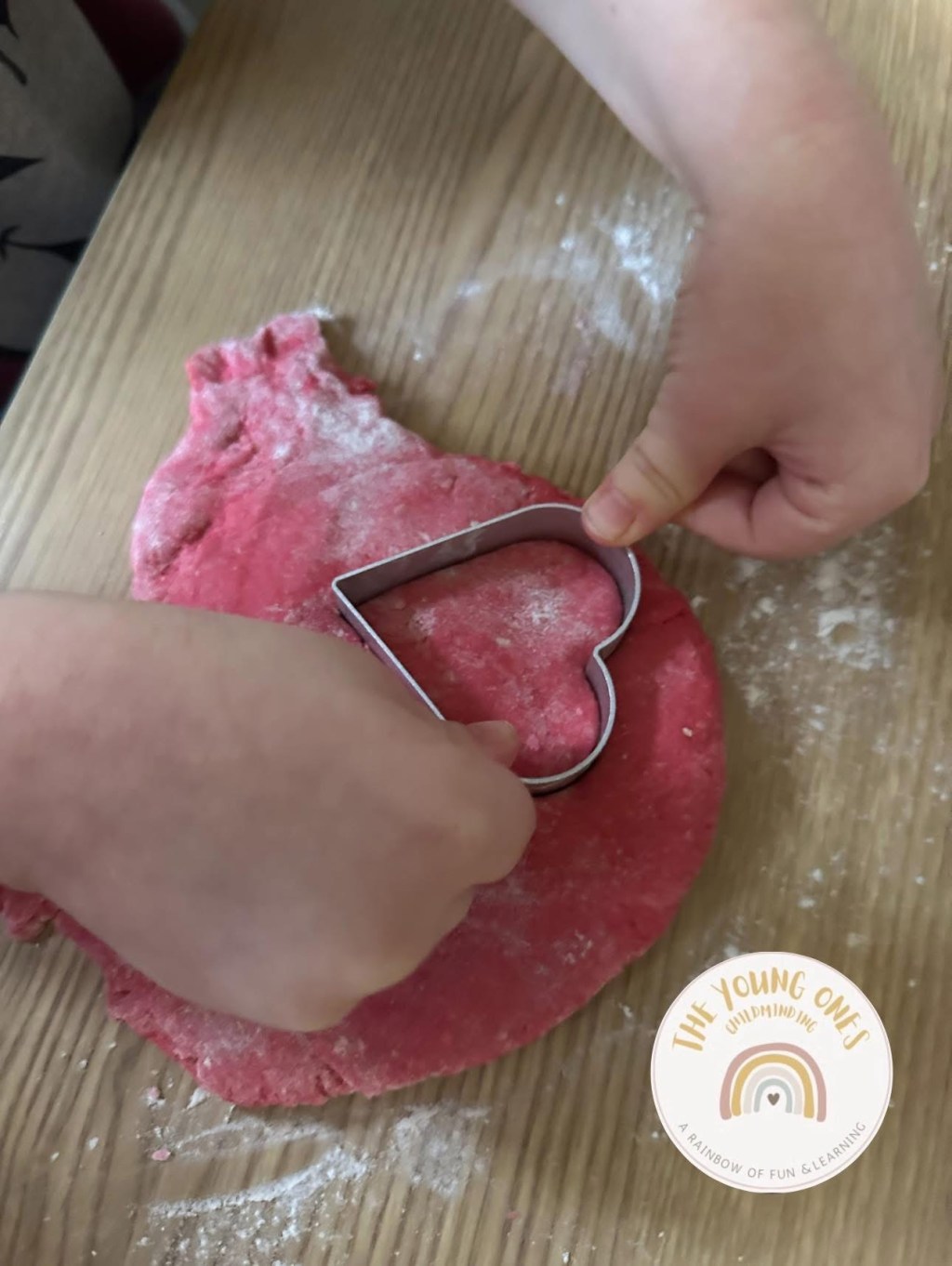
      Playdough is a fantastic tool for creative play, fine motor development, and sensory exploration. You can buy it or make your own at home with basic ingredients like flour, salt, oil and water (I also recommend cream of tartar if you have some, although it’s not essential). Either way, it’s a hit! Children can roll, squish, cut and mould playdough into shapes, animals, or anything their imagination dreams up. It’s also a great opportunity to practice colour recognition, counting and even simple math as they divide the dough into pieces or build different shapes.

      Tip: Use cookie cutters or your own homemade stamps to create themed shapes, like animals or letters. You can also introduce more sensory elements by adding dried petals, child safe essential oils or food essence, herbs or spices to your playdough.

      3. Woodland Walks: A Story Adventure

      Going on a walk in nature is not only great for physical health, but it’s also the perfect opportunity to use your imagination. If you’re near a wooded area or park, take a walk inspired by a story like We’re Going on a Bear Hunt by Michael Rosen. Have your child pretend to be a bear, explore different “landscapes” like rivers, tall grass, or mud and use their senses to “find” the bear. You could even create a fun scavenger hunt where you both look for animal tracks, leaves or flowers along the way.

      Tip: Collect leaves, sticks, and stones during your walk to create a woodland collage or nature-inspired art project at home!

      4. Imaginative Play: Hairdressers and Other Adventures

      Children love to engage in imaginative play, and it’s one of the best ways for them to learn social skills, practice empathy, and develop their creativity. Set up a “Hairdresser’s Salon” at home where they can give you or their toys a pretend hairstyle. You can also try out other role-playing games, like playing “doctor,” “chef,” or even “shopkeeper” with simple props you already have at home.

      Tip: Set up a little “waiting area” with toy magazines or a pretend cash register, and encourage your child to “act out” customer service scenarios. This helps with communication skills and empathy as they learn to take care of others.

      5. Ready, Steady, Cook! (Early Years Style)

      I am showing my age now but do you remember the TV show Ready Steady Cook? Well, you can bring this concept to life in your kitchen! Get your child involved in helping you cook simple meals. Let them choose some ingredients and create their own “cooking challenge,” mixing flavours, and experimenting with different food textures and colours. You could even make it a themed activity—perhaps a “rainbow salad” or a “fruit salad challenge”. OR use is as a base for imaginative play magic and create your own meals at the play kitchen or mud kitchen.

      Tip: Encourage your child to taste-test different ingredients and describe their flavours. If you are engaging in imaginative play but don’t have a pretend play kitchen, use household objects like pots and pans and you can incorporate natural objects like sticks and pinecones.

      6. Create Your Own Show: Sing, Dance and Perform

      Does your child love to sing and dance? Creating a family performance is a fantastic way to let out energy and share some fun. Put on a talent show where everyone can perform, sing a favourite song or even do a dance routine. Use props (like scarves, hats, or toy instruments) to make the performance more exciting, or put on a play together using costumes and simple backdrops like a sheet.

      Tip: Record the performance so you can watch it together later or send a video to grandparents and friends to share the fun!

      7. Recreate Stories: Bring Books to Life

      Story time is a cherished part of childhood, and you can take it a step further by acting out the stories you read. Whether it’s The Three Little Pigs, Goldilocks and the Three Bears, or any familiar or favourite tale- use props like hats, stuffed animals and costumes to bring characters to life. You can even make your own props – craft a wolf mask or some simple animal ears to wear while you play.

      Tip: After reading, ask your child to tell the story in their own words and encourage them to add their own twists to the plot. This sparks creativity and storytelling skills!

      These simple, early years-friendly activities are a great way for families to spend quality time together, support learning through play, and create memories that last a lifetime. Whether you’re baking together, exploring nature, or putting on a performance, the possibilities for bonding through play are endless. The most important thing is that your child feels loved, engaged and supported in their growth and development.

      For more fun and simple ideas, keep checking out our other blog posts in the Families section. Guiding The Young Ones is here to help you make the most of every moment with your little ones!

      Leave a comment

      Pages: 1 2