Tag: family

  • Family Fun Ideas – Easy Activities for All Ages

    Family Fun Ideas – Easy Activities for All Ages

    Looking for some simple but engaging activities to enjoy as a family? Whether you’re stuck indoors, planning a cosy weekend or just want to spend quality time together, these ideas are perfect for all ages – from babies to older children. Most require minimal setup, and lots use things you probably already have at home. Let the fun begin!

    Gloop

    A messy one – but oh so fun! Simply mix cornflour and water until you reach your desired consistency. Gloop is fascinating for children to explore as it acts like both a liquid and a solid. Add a few drops of food colouring or a splash of scent to make it even more exciting. It’s also taste-safe, making it great for babies as well as older kids.

    Playdough

    Playdough is a classic favourite for a reason – children of all ages love it! If you don’t have any to hand, there are lots of easy homemade recipes online. Older children might enjoy making salt dough to create keepsakes or decorations that you can treasure forever.

    Craft Time

    Break out the paint, crayons or glue sticks! Whether your child paints a masterpiece or gets stuck into some junk modelling using recycling materials, crafts are brilliant for creativity and self-expression. Try giving a theme to spark ideas – Dino land, under the sea or superheroes, for example. You can even get inventive and make mud paint outdoors or paint made from spices.

    Sharing Stories

    Snuggle up with your favourite books or make up your own amazing tales together. Older children can try writing and illustrating their own stories, while younger ones can tell stories using drawings. Create story baskets or bags with props or bring stories to life using puppets and toys.

    Imaginative Play

    Set up a little scene using favourite toys – anything from a princess tea party to a doctor’s surgery or a teddy bear café! Role-play is a wonderful way to encourage creativity, social skills and independent play. The Young Ones often runs a busy paediatric clinic in our living room and my daughter loves playing hairdressers!

    Build a Den (inside or outdoors)

    Grab blankets, cushions, and chairs to build the ultimate indoor den. Dens are quick to make and provide the perfect cosy space for imaginative play, reading or just cuddling up – especially lovely if someone’s feeling under the weather.

    Water Play

    Fill a washing-up bowl or large tub with warm water and let the fun begin! Add spoons, jugs, toy animals or even baby dolls for washing. Great for garden/outdoor play or even indoors – though just be sure to pop down some towels underneath – it can get splashy! Water play is brilliant for toddlers and older kids alike.

    Shaving Foam Fun

    A brilliant sensory experience – just squirt some shaving foam or mouldable soap foam onto a tray or table and let them dive in with their hands. You can add colours or use it to practise mark-making with fingers or tools. You can also mix shaving foam with sand, to make the ultimate “cement” and add blocks – perfect for any budding construction workers

    Bring the Slide Inside

    If you have a small indoor/outdoor slide or tunnel, bring it inside for a change of scenery. It can feel like a whole new adventure and is great for toddlers on rainy days, if you don’t feel like venturing out. Just give it a good clean and make sure there’s a safe space around it.

    Fresh Air Adventures

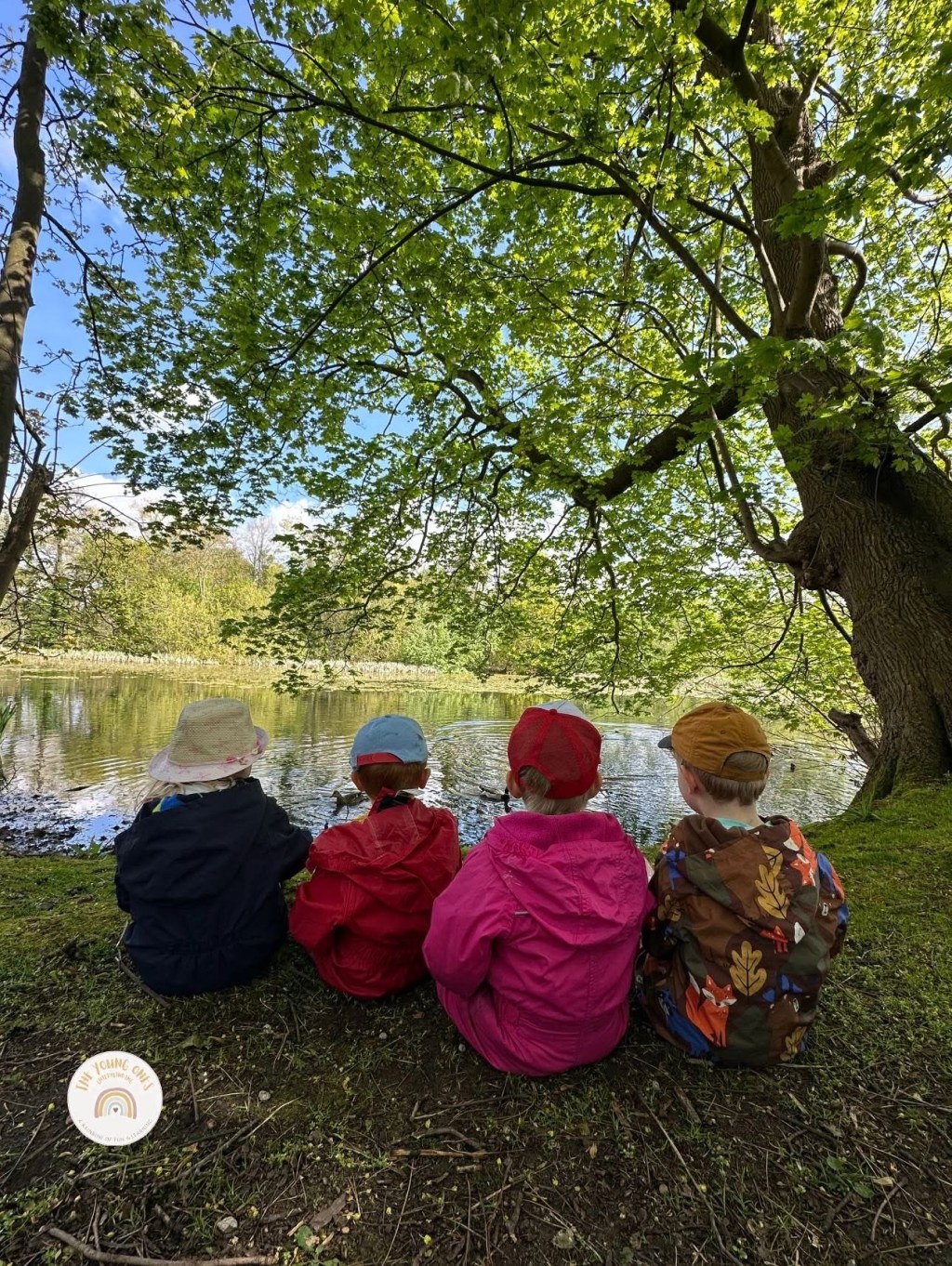
    Head outside into the garden or local green space for some fresh air. Set up a mini obstacle course using cones, ball or whatever you have to hand. You could also go on a nature hunt, collect natural objects, or follow a colour checklist to spot things around you. If you’re local, we have the amazing countryside, Carlton towers and other lovely spots like Barlow Common or Brayton Barf are perfect!

    Puzzles & Board Games

    A great option for quiet bonding time. Pull out any old puzzles or board games, or make your own games up! Try charades, Simon Says, or even a family quiz night. These are perfect for rainy afternoons or winding down before bed.

    Baby Sensory Bottles

    Fill clear plastic bottles with different materials – like coloured water with oil, rice and beads or pom-poms and beads. They are great for natural treasures too, such as acorns and seeds. Secure the lids tightly (hot glue works well) and let babies shake, roll and explore. These are great for visual and auditory stimulation!

    Tummy Time Treasure Mat

    Pop textured items like fabric scraps, ribbons or small sealed sensory bags under a clear plastic mat or zip-lock bag taped to the floor. It adds interest during tummy time and encourages babies to reach and explore.

    Science Fun

    A simple handwashing experiment can double as a lesson in germs! Fill a bowl with water and grind in some pepper—this represents the “germs.” Have your child dip a clean finger in (the pepper sticks), then dip again after coating their finger in soap… watch the pepper scatter!

    Cooking & Baking

    Get little hands involved in the kitchen. From helping with dinner to baking sweet treats, children love being part of the process. It also teaches valuable life skills. Let older kids plan a meal or decorate their own cupcakes – it’s a great mix of fun and learning!

    Music & Movement

    Turn up the music and have a living room disco! Dancing is fantastic for both physical and emotional wellbeing. You could also try simple yoga stretches or movement games like “copy me” to get everyone involved and active.

    Bubble Fun

    All babies and young children love bubbles! Blow bubbles and watch them float down – great for tracking, visual stimulation and a bit of giggly fun. Try singing a little rhyme as the bubbles float to make it even more engaging for babies or challenge children to blow and catch their own bubbles.

    Movie Nights

    We love a good family movie night! Let the kids choose the film, make some popcorn, and cosy up with blankets. You can even theme the night with snacks or dress-ups—whatever makes it feel special.

    Final Thoughts

    Family fun doesn’t have to be expensive or complicated. With a little creativity and a few household items, you can create lasting memories and give your children rich experiences that support their development and bring you closer together.

    Got a favourite activity we missed? Share it with us in the comments or on social media – we’d love to see your ideas and creations! 💬

    Leave a comment

    Pages: 1 2

  • Feeding Your Baby – Breast, Bottle & Beyond

    Feeding Your Baby – Breast, Bottle & Beyond

    One of the first questions new parents get asked is: “How’s the feeding going?”
    But the real answer?
    It’s often a lot more complicated than people expect – and it’s not talked about enough!

    The Early Days: Feeding Isn’t Always Straightforward

    Whether you planned to breastfeed, bottle-feed, or weren’t sure yet, it’s important to know this: feeding isn’t always easy. There’s a lot of pressure to “get it right” straight away, but the truth is – many families face challenges, and often in silence.

    When my eldest was born, I struggled. She wouldn’t latch, and I wasn’t given the support I needed. I ended up expressing for six months, and honestly? It was hard. Exhausting. Isolating. Relentless. But I did it because I was doing my best – and so are you.

    There are so many reasons breastfeeding might not go to plan – tongue tie, low milk supply, oversupply, pain, infection, lack of support, exhaustion, or simply because it doesn’t feel right for you.

    And if you choose formula, or decide to switch to it later? There is no shame. Fed is best. Your baby needs nourishment, but you need to be well too – physically and mentally.

    You’re not failing. You’re making the best choices with the information and support you have.

    When Something Feels “Off”

    Sometimes, feeding issues aren’t about the method – they’re about how your baby responds. Colic, reflux, allergies, dairy intolerance – all of these can turn feeding into a battle and make parents feel lost, dismissed or even doubted.

    It’s heart-breaking when your baby is uncomfortable and this can be made even worse when your concerns are brushed aside.

    But trust your instincts. You know your baby best. If you feel something isn’t right – keep pushing. Ask questions. Ask again. You deserve to be heard and your baby deserves to be comfortable.

    It’s okay to advocate for more help, seek a second opinion or ask for referrals to specialists like lactation consultants, dietitians, or paediatricians. If you’re struggling, which so many do when their child is not feeling well – remember, there is no shame in asking for help. Sometimes it can be hard to advocate for yourself and your child, especially when you’re sleep deprived – please know you can always reach out to family, friends or even ask for a chaperone when attending medical appointments.

    Looking After You Too

    Feeding, no matter how you do it, is a full-time job in those early months. It’s not just physical – it’s emotional. If feeding is taking a toll on your wellbeing, it’s okay to reassess. Changing your approach doesn’t mean giving up; it means tuning in to what works best for you and your baby.

    Your wellbeing matters. It always has.

    Solid Starts: It’s Not a Race

    Eventually, your baby will show signs of being ready for solid food – usually around six months. This part can feel exciting, but also overwhelming.

    There’s no one-size-fits-all here, either.

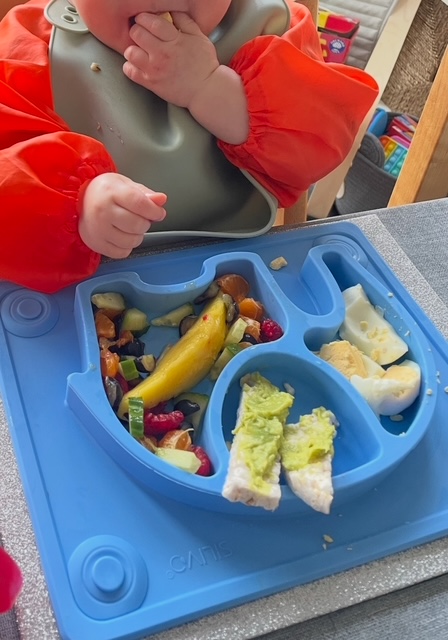
    Some families choose purees. Some go for baby-led weaning (BLW), where babies explore soft, safe finger foods from the start. Some do a mixture of both. I know for many, BLW can feel scary at first – especially with the fear of choking. But learning the difference between gagging and choking is key.

    A helpful rhyme to remember is:
    “Loud and red, let them go ahead. Quiet and blue, they need help from you.”

    For added reassurance, many families now choose to have a LifeVac at home – a non-invasive, emergency choking aid, that has already saved the lives of nearly 4000 people. Thanks to the incredible work of the Oliver Steeper Foundation, awareness of choking safety is growing and tools like LifeVac can offer peace of mind. They’re not a replacement for first aid, but a backup when it’s most needed.

    You’re Doing Great

    Feeding isn’t always the picture-perfect moment we imagine. Sometimes it’s messy, emotional, exhausting, it can even be distressing. But it’s also loving. It’s showing up, hour after hour. It’s learning, adjusting and caring with your whole heart.

    Whatever feeding looks like for you – bottles, breast, both, purees, BLW, allergies, routines or chaos – please know this:

    You are doing an amazing job!

    Leave a comment

    Pages: 1 2

  • Building Strong Family Bonds Through Play: Simple, Fun Activities for Early Years

    Building Strong Family Bonds Through Play: Simple, Fun Activities for Early Years

    Spending quality time with your child doesn’t have to be complicated or costly. In fact, some of the best ways to connect with your Young Ones are through simple, creative activities that spark joy, imagination and learning. Here are some fun, early years-friendly ideas that families can enjoy together, fostering stronger bonds, while encouraging growth in essential skills like problem-solving, communication and cooperation.

    1. Bake Together: Gruffalo Crumble

    What better way to bond than by baking together? Making a delicious treat is a great way to spend time together, practice following instructions, and introduce early math skills like counting and measuring. If you’re familiar with The Gruffalo by Julia Donaldson, why not make a Gruffalo Crumble? It’s easy to prepare and provides a fun, themed way to introduce your child to the joys of baking. Have your little one help you measure out ingredients, mix, and maybe even make some “Gruffalo footprints” in the flour!

    Tip: Let them help wherever possible with tasks like stirring, pouring and sprinkling toppings and encourage them to talk about the colours and textures of the ingredients. If you don’t have the book, you could always tell the story of The Gruffalo while baking or make up your own stories and recipes!

    2. Playdough Fun: Creative and Sensory Play

    Playdough is a fantastic tool for creative play, fine motor development, and sensory exploration. You can buy it or make your own at home with basic ingredients like flour, salt, oil and water (I also recommend cream of tartar if you have some, although it’s not essential). Either way, it’s a hit! Children can roll, squish, cut and mould playdough into shapes, animals, or anything their imagination dreams up. It’s also a great opportunity to practice colour recognition, counting and even simple math as they divide the dough into pieces or build different shapes.

    Tip: Use cookie cutters or your own homemade stamps to create themed shapes, like animals or letters. You can also introduce more sensory elements by adding dried petals, child safe essential oils or food essence, herbs or spices to your playdough.

    3. Woodland Walks: A Story Adventure

    Going on a walk in nature is not only great for physical health, but it’s also the perfect opportunity to use your imagination. If you’re near a wooded area or park, take a walk inspired by a story like We’re Going on a Bear Hunt by Michael Rosen. Have your child pretend to be a bear, explore different “landscapes” like rivers, tall grass, or mud and use their senses to “find” the bear. You could even create a fun scavenger hunt where you both look for animal tracks, leaves or flowers along the way.

    Tip: Collect leaves, sticks, and stones during your walk to create a woodland collage or nature-inspired art project at home!

    4. Imaginative Play: Hairdressers and Other Adventures

    Children love to engage in imaginative play, and it’s one of the best ways for them to learn social skills, practice empathy, and develop their creativity. Set up a “Hairdresser’s Salon” at home where they can give you or their toys a pretend hairstyle. You can also try out other role-playing games, like playing “doctor,” “chef,” or even “shopkeeper” with simple props you already have at home.

    Tip: Set up a little “waiting area” with toy magazines or a pretend cash register, and encourage your child to “act out” customer service scenarios. This helps with communication skills and empathy as they learn to take care of others.

    5. Ready, Steady, Cook! (Early Years Style)

    I am showing my age now but do you remember the TV show Ready Steady Cook? Well, you can bring this concept to life in your kitchen! Get your child involved in helping you cook simple meals. Let them choose some ingredients and create their own “cooking challenge,” mixing flavours, and experimenting with different food textures and colours. You could even make it a themed activity—perhaps a “rainbow salad” or a “fruit salad challenge”. OR use is as a base for imaginative play magic and create your own meals at the play kitchen or mud kitchen.

    Tip: Encourage your child to taste-test different ingredients and describe their flavours. If you are engaging in imaginative play but don’t have a pretend play kitchen, use household objects like pots and pans and you can incorporate natural objects like sticks and pinecones.

    6. Create Your Own Show: Sing, Dance and Perform

    Does your child love to sing and dance? Creating a family performance is a fantastic way to let out energy and share some fun. Put on a talent show where everyone can perform, sing a favourite song or even do a dance routine. Use props (like scarves, hats, or toy instruments) to make the performance more exciting, or put on a play together using costumes and simple backdrops like a sheet.

    Tip: Record the performance so you can watch it together later or send a video to grandparents and friends to share the fun!

    7. Recreate Stories: Bring Books to Life

    Story time is a cherished part of childhood, and you can take it a step further by acting out the stories you read. Whether it’s The Three Little Pigs, Goldilocks and the Three Bears, or any familiar or favourite tale- use props like hats, stuffed animals and costumes to bring characters to life. You can even make your own props – craft a wolf mask or some simple animal ears to wear while you play.

    Tip: After reading, ask your child to tell the story in their own words and encourage them to add their own twists to the plot. This sparks creativity and storytelling skills!

    These simple, early years-friendly activities are a great way for families to spend quality time together, support learning through play, and create memories that last a lifetime. Whether you’re baking together, exploring nature, or putting on a performance, the possibilities for bonding through play are endless. The most important thing is that your child feels loved, engaged and supported in their growth and development.

    For more fun and simple ideas, keep checking out our other blog posts in the Families section. Guiding The Young Ones is here to help you make the most of every moment with your little ones!

    Leave a comment

    Pages: 1 2

  • Let’s talk about – The benefits of learning through nature in Early Years

    Let’s talk about – The benefits of learning through nature in Early Years

    All children are born with a natural fascination for the world around them. Our role, as early years practitioners, educators and even parents and family units, is to spark and nurture that curiosity, guiding them to explore and learn more about nature. With the Department for Education and the UK government pushing for more conscious sustainability practices, and as the early years sector sees a greater emphasis on nature-based play, it’s vital that practitioners and entire settings understand both the reasoning behind this movement and, most importantly, the incredible benefits nature-based learning has on young children.

    It’s proven that nature plays a crucial role in early years development, with countless benefits for every child’s physical, cognitive, social, and emotional growth. In fact, it’s becoming widely recognised that children should be spending at least three hours of outdoor free play each day. Yet, a recent study revealed that most children spend only around 4-7 minutes outdoors each day! This statistic is alarming, but we have the power to change this and provide young children with the opportunities they need to thrive! All children, regardless of the setting, benefit from being immersed in nature – both through outdoor play and by bringing elements of nature into the indoor environment.

    The Benefits of Nature-Based Learning

    Nature-based learning supports children’s development in a meaningful and holistic way. By allowing children to engage in free play, investigate and connect with the natural world, they’re given opportunities to develop a sense of awe and wonder, spark curiosity and build a lasting appreciation for the environment. Nature is a rich sensory playground that stimulates vocabulary development, language skills and cognitive growth. At the same time, it helps children develop self-awareness, confidence and independence – all while reducing stress and anxiety in both children and adults… This means that nature play benefits not only the children but also the educators and caregivers who engage in it.

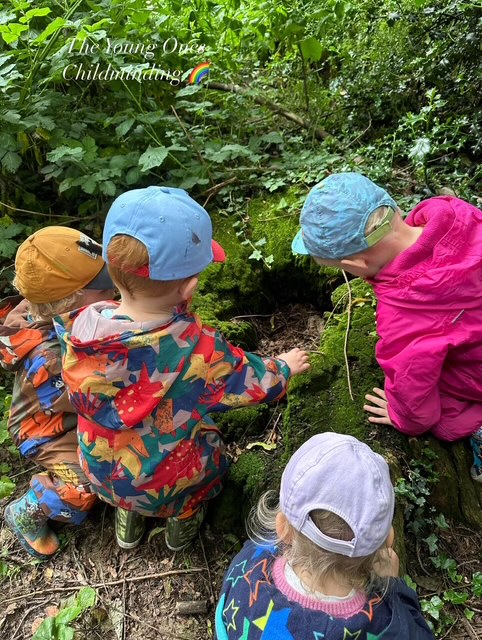
    Learning through nature can take place both outdoors and indoors. By incorporating natural resources, loose parts and nature-inspired materials into the learning environment, we encourage children to connect with the world around them. One of my favourite indoor activities with the children is exploring mini-beasts and animal lifecycles. We can create transient art using loose parts, make bugs out of playdough and research various types of insects. These activities can easily be extended and explored outdoors – whether it’s going on a mini-beast hunt with magnifying glasses or visiting a pond to observe frog lifecycles firsthand. The possibilities for nature-inspired learning are endless!

    Physical, Emotional, and Social Benefits

    Being outdoors also provides children with more opportunities to explore physical experiences, engage in gross motor activities and take part in ‘risky play’. These experiences help foster overall development, promote healthy lifestyles and even boost immune systems. There are so many ways to take learning outdoors and integrate nature into the pedagogies and curriculums of early years settings. Nature play can be introduced from the very beginning and doesn’t have to be complicated. Simple activities like creating nature treasure baskets filled with natural resources, hanging natural objects for visual stimuli or simply taking babies and young children outdoors to feel the grass beneath their toes all help to engage them with the natural world.

    Introducing nature play from a young age lays the foundation for positive environmental awareness and stewardship. It nurtures a love for nature that will help children develop a sense of responsibility for the planet and future sustainability.

    A Call to Action

    So, whether you’re taking babies outdoors to experience the grass between their toes or going on a mini-beast adventures with older children, every moment spent in nature is an opportunity for growth. Let’s embrace the beauty and potential of nature-based learning to nurture the next generation of explorers, stewards and environmental advocates.

    Leave a comment

    Pages: 1 2

  • Things I Wish I Knew Before I Became a Childminder…

    Things I Wish I Knew Before I Became a Childminder…

    With childminder week fast approaching, I wanted to write an honest post about our incredible and invaluable sector. 

    There’s so much no one tells you about this job.
    Yes – it’s rewarding, joyful and full of those special “aww” moments…. But it’s also emotional, exhausting and requires you to be so much more than just someone who cares for and supports children’s development. Coming from an early years and education background, I thought I had a good handle on what to expect. I understood development, routines, learning through play… all of that. But stepping into childminding? Well that’s a whole different world and there were still so many things I had to learn the hard way and things I am still learning. 

    Here’s what I wish I’d known from the start:

    •  Your home becomes an early years setting… but it’s still your home. There’s a strange blur between professional and personal life – and learning how to protect both, to create healthy boundaries while still being present, takes time. It’s a journey of growth, adjustment and a lot of heart.
    •  There’s only you – Now this may seem fairly obvious but there’s no team to hand things over to – it’s just you! In those moments, when everything feels like it’s piling up, you realise just how much responsibility rests on your shoulders and while that can feel overwhelming at times, it also makes you appreciate the unique impact you have.
    •  You become part of a family’s village – It’s not just about the child – it’s building trust, communication and a real relationship with parents and family units too.
    •  The paperwork doesn’t stop! Even with experience, doing it solo is a different beast. Policies, safeguarding, funding and more – it’s a lot to hold alone.
    •  You’ll question yourself – often. Am I doing enough? Too much? Should I step in or step back? But those doubts are a sign you care deeply. They show that you’re invested in the well-being and growth of the children you’re guiding and is a quiet reminder of the love and dedication that drives you every day.
    • The small wins matter most. The first steps. Those little giggles. The Young Ones who tell you they are your best friend… That’s where the magic is!
    •  You’ll learn just as much as the children. About patience, child development, boundaries, connection… and especially about yourself!
    •  At times it can feel lonely. Especially when you’re the only adult around all day but there’s a whole community of childminders who get it – and they can lift you up when you need it most.
    •  Your home will never be the same… and honestly, neither will you. There’s mud sprinkled in the carpet, little fingerprints on the walls and their voices echo in your mind long after they’ve gone home. These children become so much more – they become family…. And even long after they leave, a part of you will always be cheering them on. 

    Despite the hard bits, the long days and the juggling act – I honestly wouldn’t change it! This work, this role, these little lives I get to be part of… they’ve brought me more joy, purpose and pride than I ever imagined! There’s something incredibly special about watching children grow and learn in a space that feels warm, safe, loved and truly theirs. 

    I feel so lucky to do what I do and so passionate about giving children a beautiful, meaningful start.
    It’s not always easy, but it’s always worth it! 

    I equally take great pride in supporting other educators wherever I can and offering them the praise and encouragement they rightfully deserve… To anyone just starting out: you’ve got this! And to those who’ve been doing this a while – you’re amazing – Truly. 

    ❤️

    Let’s keep lifting each other up. 

    Send this to a childminder who deserves some love today.

    Leave a comment

    Pages: 1 2

  • Let’s talk about – ‘Risky Play’ and its Benefits

    Let’s talk about – ‘Risky Play’ and its Benefits

    Understanding Risky Play: Why It’s Important for Children’s Development

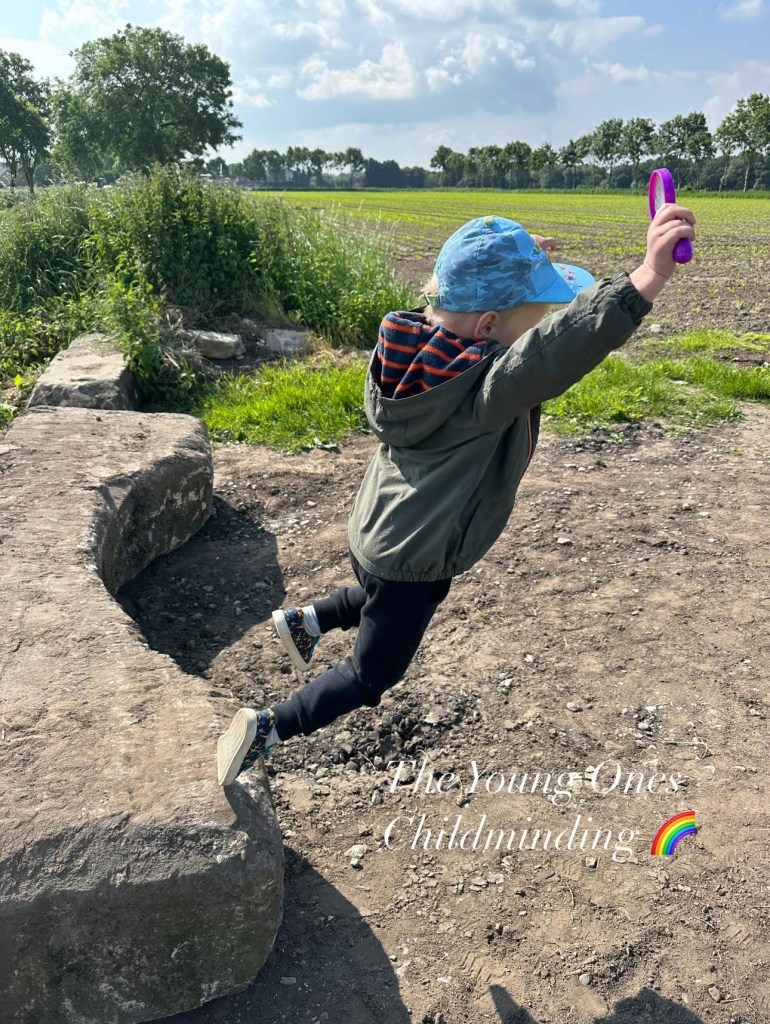
    There are many misconceptions around ‘risky play’ and what exactly it involves. At its core, risky play refers to activities where children intentionally seek out or engage in elements of risk or danger. These risks often include exploring heights, speed, impact, using tools, engaging with potentially risky elements (like water), or simply playing independently – often out of sight.

    While it may seem counterintuitive, allowing children to engage in risky play can actually be incredibly beneficial for their development. It gives them the chance to test their limits in a controlled environment. I completely understand that it can feel challenging to let children experience risk. Our natural instinct as caregivers and early years professionals is to minimise risk to protect our children, but it’s important to remember that not all risk equates to danger—there are many valuable lessons children can learn from taking calculated risks!

    The Benefits of Risky Play

    One of the key benefits of risky play is that it helps children develop essential life skills such as problem solving, decision making, risk assessment, and physical coordination. When children engage in activities that require them to think critically and assess potential dangers, they build resilience and learn how to make thoughtful decisions.

    Risky play also sparks curiosity, acting as a strong motivator for learning. It encourages children to investigate the unfamiliar, supporting their natural fascination to explore, discover and gain confidence. This, in turn, boosts their self-awareness, self-esteem and their belief in their own abilities.

    Additionally, risky play provides valuable experiences for brain development, cognitive growth, and emotional well-being. When children participate in these activities, they build essential motivation skills like perseverance and concentration. Encouraging children to push beyond their comfort zones helps them develop the ability to keep trying until they succeed – building both emotional resilience and critical self-regulation skills.

    Balancing Risk and Safety

    However, just like adults, children have varying levels of comfort when it comes to risk. Every child has their own pace and preferences, and it’s crucial to tailor risky play opportunities to meet each child’s individual needs and abilities. While it’s important to protect children from serious harm and injury, we must also avoid creating a completely risk-free environment. Children need opportunities to experience and assess manageable risks in order to develop self-protective skills that will serve them for life.

    Leave a comment

    Pages: 1 2

  • Q&A for Twinkl’s Outdoor Campaign

    Q&A for Twinkl’s Outdoor Campaign

    Rooted in Nature – How outdoor play, shapes our every day

    Can you describe a typical day in your setting?

    Our days are very much child-led, with The Young Ones taking the lead in their play – so no two days are exactly the same! The children have access to our continuous and enhanced provision and we offer play provocations and learning invitations inspired by the children’s current interests and relevant world events, which aim to support their development, celebrate diversity and create opportunities for them to explore and experience new things. That said, we do have consistent core elements woven into our routine, such as outdoor play, stories and daily self care, such as tooth brushing as part of our commitment to promoting positive oral health.  We also place great importance on nurturing mental health and emotional wellbeing and we ensure we include daily opportunities for exploring emotions, practicing simple mindfulness techniques, and engaging in calming activities like yoga and breathing exercises. One thing is for sure – every day is packed with fun and rich learning experiences for everyone- including for me!

    Have you always been an outdoor, nature-focused setting?

    We’ve always valued and spent plenty of time engaging in outdoor play and learning, knowing the countless benefits nature offers. However, over the past few years, my own understanding has deepened through personal research, which has led to an even greater integration of nature into our learning experiences, within our outdoor provision, our learning adventures and also, within our indoor environment too.

    Do you have a favourite memory of the children learning something unexpected outdoors?

    I have so many cherished memories of The Young Ones discovering unexpected things during outdoor learning – because, as we know, children often take their own learning in surprising and delightful directions! However, there is one that stands out and is still regularly talked about to this day by my Young Ones… On one of our nature walks, we discovered a lady bird, we counted it spots and then along came another one – they were different and we used some of our books and learning resources from our forest school backpack, to learn more about different types of ladybirds and we soon discovered more. By the end of our walk the children had independently counted 62 ladybirds and they still remember it to this day, despite the fact it was over a year ago! We continued our ladybird learning both indoors and outdoors and it was that day, that ignited a love for mini-beasts in a child who had previously been afraid of creepy crawlies. Days like these highlight the powerful impact we can have on children’s learning and confidence, while also nurturing a lifelong love for nature.

    How do you prepare for outdoor play in less-than-perfect weather?

    When “bad” weather hits – and let’s face it, we live in the UK, so it often does – it pays to be prepared! All the children here use waterproof suits and wellington boots (with other weather appropriate clothing/layers, as required) and I also have purchased in my own waterproof trousers and coat set because it’s no fun for us “big kids” when we are wet and cold too! When we explore in our local area, I always ensure I take our forest school backpack, which is packed up with all sorts of supplies to make our adventures more fun! To support us in our garden provision, I initially used a pop-up “all-weather” gazebo purchased from Amazon to provide shelter whenever the children wanted it and providing us with the opportunity to use resources that aren’t weatherproof. However, since we use our outdoor space so frequently for our learning, I’ve recently invested in a permanent wooden gazebo and we have been thoroughly enjoying this enhanced space, no matter the weather!

    What are your top tips for encouraging reluctant children (or parents!) to embrace outdoor play?

    I’ve always found that tapping into a child’s interests and bringing those interests outdoors is a great way to introduce outdoor learning – especially for those children who aren’t used to spending time outside. It can be something as simple as taking toy cars into the garden or as imaginative as going on a Gruffalo hunt in the woods! Whatever sparks a child’s curiosity can be woven into outdoor experiences, helping to ignite those first steps toward a love of nature and the outdoors. 

    I am very lucky to currently have incredibly supportive families, who understand the importance out outdoor learning. However, I appreciate this is not always the case and I n my experience, parents can sometimes be a little trickier to navigate – haha! Joking aside, it’s really about helping families understand the many benefits of outdoor play while also addressing any concerns they may have. For instance, some parents might worry that children aren’t learning outdoors, but we can reassure them that learning not only continues but it often thrives in natural environments. Others may be concerned about the weather, and we can support them by ensuring children have weather-appropriate clothing and access to shelter when needed.

    Some educators feel put off by the idea of outdoor play because of the wet, the cold, or the effort of setting things up every day. What would you say to those providers? Do you have any top tips for keeping it simple and manageable?

    I believe that having accessible resources makes setting up for the day much easier, whatever the weather and season. That doesn’t mean everything needs to be out all the time – especially for those working in pack-away settings but there are plenty of creative ways to stay organised. For instance, small storage units can make a big difference, and they don’t have to be expensive! One of my storage solutions is a repurposed greenhouse, and another is simply a large plastic box with a lid. 

    It’s also important to be realistic and kind to ourselves. There will always be days when we need to keep things simple – and that’s perfectly okay. In my experience, some of the most valuable learning happens through the simplest forms of play. Just think of the joy children find in splashing through puddles or experimenting with different containers in water play. There’s real magic and learning to be found in those everyday moments!

    Any budget-friendly or unexpected materials you use regularly?

    Since starting my journey as a childminder and especially over the past year as part of my continued professional development – I’ve been focusing more on sustainability and environmental responsibility. I’ve become much more mindful about where I buy and source resources and the types of materials I bring into our setting. I’ve also made a conscious effort to reuse items where possible and to recycle what might otherwise be discarded – after all, one person’s trash truly can be another’s treasure!

    As well as some amazing educational retailers and small businesses, local car boot sales have been a fantastic place to find hidden gems and authentic, affordable resources that we’ve loved incorporating into our provision. There’s also so much joy and creativity to be found in everyday items, like using old flowers in water play, adding used teabags to the mud kitchen, or repurposing old CDs for light and sensory play. I always recommend using open-ended, natural loose parts such as sticks, stones, pinecones, and more, in both indoors and outside learning environments. Reaching out to local businesses can also be incredibly rewarding and we’ve received generous donations like a tree stump from a local tree surgeon and tyres from our village garage and added these to our outdoor provision.

    We know you have done lots of training and have many awards, which are you most proud of?

    This is a difficult question, as I’ve gained so much from my training, which I have applied in my setting. However, I would have to say that achieving both Gold and Platinum award statuses from the Woodland Trust and officially earning the title of a ‘Platinum Green Tree School’, has been one of my personal favourites, as nature plays such a crucial role in early years development and is a massive part of our curriculum and pedagogy at The Young Ones. Whilst completing this award, I have also been involved in more training which I hope to have completed that soon and I will be sharing more about that over the coming months.

    Overall, I believe the diverse training I’ve completed has enabled me to focus on enhancing both our learning environment and my practices, ensuring that I can continually develop and provide the best experiences and educational opportunities to help my Young Ones thrive. 

    What would you say to other Early Years educators who want to get outside more but don’t know where to start?

    Start simple and start small… There’s no need to overwhelm yourself by trying to change everything all at once. Begin by taking some activities your children enjoy indoors and bringing them outdoors or take walks around your local area, encouraging the children to really engage with their senses – talking about what they can see, hear, touch, and smell.

    If you have an outdoor space (like a garden) that you would like to develop, start by focusing on one area to adapt or enhance. Perhaps your little ones would love a mud kitchen, or maybe they enjoy water play and you could build on the resources they use? If you enjoy or would like to start going on nature adventures, I would also recommend putting together a little backpack or bag, with some some of your favourite nature inspired resources – such as books, magnifying glasses, binoculars and/or any other treasures you desire, so you’re ready to explore whenever the urge to venture strikes. 

    What impact has outdoor play had on your wellbeing as an educator?

    It’s a well-established fact that nature and fresh air offer numerous benefits for the wellbeing of people of all ages and as an educator, I have only seen positives to all of us here at The Young Ones. Being outdoors allows me to connect with nature, which helps reduce stress and recharge my energy and be fully present with the children. Outdoors, every child has the freedom to move, explore, and experience a true sense of autonomy in their learning. This approach provides more opportunities for self-expression and supports the development of their physical, cognitive, and creative skills, helping them become deeply engaged in their learning process and making teaching easier and more enjoyable.

    The natural environment also provides a refreshing change of pace from indoors, offering more moments of calm, reflection and inspiration for us all. I highly recommend that all educators and settings embrace the outdoors and incorporate nature-based learning into your provision, in any way possible – you’ll not only support children’s development but also experience the benefits yourselves.

    Leave a comment

    Pages: 1 2