Tag: health

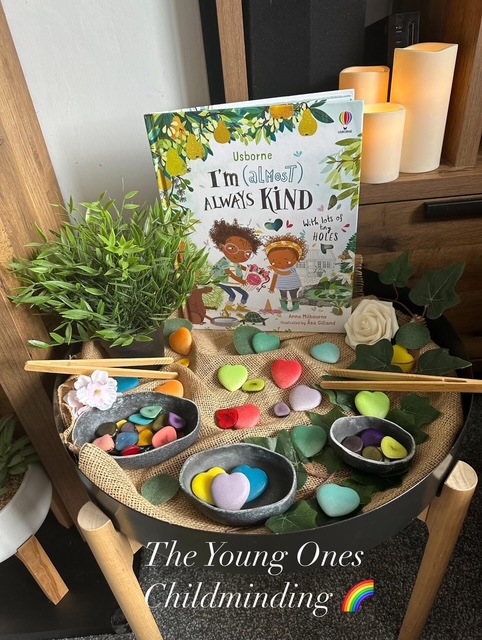
  • Calm Down Box/Basket

    Calm Down Box/Basket

    What is a Calm Down Basket/Box?

    We all experience moments when we feel stressed, overwhelmed or dysregulated – these feelings are completely normal, all be them unpleasant! A calm down box is a wonderful tool designed to help children (or even adults) manage their emotions, regulate their bodies and minds and build resilience in moments of stress.

    A calm down box is a special place that holds your child’s (or your own) favourite items, specifically chosen to aid in self-regulation. These items help to restore balance by grounding the senses – whether through touch, smell, sight, sound or practicing breathing techniques.

    The Golden Rules of a Calm Down Box:

    • Choose items that are liked and age-appropriate: Make sure the contents are things your child (or you) will enjoy using.
    • Avoid screen-time items: Calm down boxes should not include screens like iPads or gaming devices.
    • Encourage independent play: The purpose of a calm down box is to (eventually) help children self-regulate on their own, so it’s important that the contents promote independent interaction.
    • Model how to use it: If your child is new to using a calm down box, you may need to show them how to engage with the items inside, especially during moments of big emotions (some children will need a longer period of time co-regulating and it is important we support them, so they can eventually self-regulate).

    What to Include in a Calm Down Box:

    If you’re wondering what to add, consider items that encourage repetitive motions or sensory experiences, such as spinning, clicking or rolling. These activities can help children focus and calm their minds. Toys with different textures, sounds and scents can be particularly effective in distracting from overwhelming emotions, helping children refocus and regain a sense of calm.

    What is a Sensory Break?

    A sensory break is a short, intentional pause from regular activities to engage in calming sensory experiences. These breaks are not just for times of stress; they can also be used when a child is feeling calm or happy. The purpose is to teach children valuable self-regulation tools that they can later use during moments of frustration or upset.

    The Benefits of a Calm Down Box and Sensory Breaks:

    A calm down box and sensory breaks offer many benefits, such as:

    • Increased mindfulness: Helping children become more aware of their emotional and physical states.
    • Reduced stress and anxiety: Sensory activities can reduce the impact of stress and encourage relaxation.
    • Improved emotional regulation: Children learn to better manage their emotions, even in challenging situations.
    • Enhanced self-awareness: Through regular practice, children become more in tune with their emotions and how to manage them.

    When we engage with our senses, such as through touch or smell, we activate the parasympathetic nervous system (PNS) – the body’s natural calming response. This response counteracts the “fight or flight” instinct, reducing heart rate, blood pressure and muscle tension. Sensory breaks also help distract the brain from anxious thoughts, redirecting focus to more calming and restorative experiences.

    A Reminder:

    Younger children may need support and guidance from adults to effectively use their calm down boxes, especially during moments of strong emotions, distress, or dysregulation. It’s important to be patient, offer gentle guidance and make it a practice that encourages emotional growth and resilience.

    Leave a comment

    Pages: 1 2

  • Let’s Talk About Food, Food Aversions, and Picky Eaters

    Let’s Talk About Food, Food Aversions, and Picky Eaters

    Some children eat everything put in front of them, while others require a bit more encouragement. It’s completely normal for children to go through phases of being picky about what they eat but I understand how frustrating picky eating can be for parents and carers. If your child is only eating certain foods, there are several strategies you can try to help form new, healthier habits. Here are some tips to help your child try more foods and cooperate at mealtimes.

    (If your child isn’t eating at all, this could be linked to illness or additional needs, and you may need to approach it differently. Please refer to the last section for more guidance.)

    Create a Positive Environment

    The setting where you eat can make a big difference. Consider these tips to create a positive atmosphere at mealtimes:

    • Sit together as a family and role model the behaviors you’d like to see. Mealtime is a great opportunity to spend time together and create positive associations with food.
    • Avoid distractions like TV during mealtimes. Distractions can interfere with your child’s ability to recognise their hunger and fullness cues.
    • Set realistic expectations for how long your child should sit at the table, keeping their age and developmental stage in mind.
    • Encourage self-feeding, which helps foster independence and positive food relationships.
    • Make sure your child feels comfortable and included at the table, and avoid rushing them.

    Don’t Force Food

    It’s important not to force food on children. While you may want them to try new things, pressuring them can have the opposite effect, causing distress and creating negative associations with eating. As long as your pediatrician says your child is healthy and eating a variety of foods, try not to worry too much about their current food preferences.

    Gently Expand the Menu

    You can be a great role model by being an adventurous eater yourself and showing your child how to have a positive food relationship. Try creating a list of new foods to try as a family and make it fun—ask, “What new food should we try tonight?” You can even turn it into a game, like Food Bingo, to make exploring new foods exciting.

    Offer Foods More Than Once

    If your child refuses a new food, try offering it again another day. Repeated exposure can help them become more comfortable with unfamiliar foods. It may take multiple attempts (often over ten tries) for a child to accept a new food. You can also encourage your child by showing them that you’re eating the food yourself. This can help normalise it.

    Provide Lots of Praise (Without Pressure)

    Avoid pressuring or bribing your child to eat a certain food, as this can create negative feelings and associations about/around food. Instead, offer new foods in a relaxed, low-pressure way. Praise your child when they’re brave enough to try something new. Some children may also appreciate knowing what they’re eating, so showing them the whole food before chopping or cooking it can help them understand what’s on their plate.

    Avoid Using Food as a Reward

    Using food as a reward can inadvertently create a negative association between certain foods and rewards. For example, children may start to see sweets as “good” and vegetables as “bad.” Instead, try rewarding them with activities such as a trip to the park or playing a game together. It’s also helpful to avoid referring to foods as “treats” for the same reasons.

    Don’t Make a Second Meal

    Rather than preparing a separate meal for your child, always try incorporating “safe foods” alongside new or unfamiliar ones. For example, if your child enjoys certain fruits or vegetables, include those on the plate along with new foods like pasta or chicken. This can make the meal more appealing and less overwhelming.

    Stay Calm with Unwanted Food

    If your child refuses to eat something, try not to react with frustration. Children can pick up on your anxiety, which could make the situation worse. Instead, calmly remove the plate without comment. Teach your child that just because they don’t like a particular food doesn’t mean the whole meal is ruined. For example, if they don’t like a pickle on their burger, encourage them to push it to the side.

    Get Little Ones Involved and Make Food Fun

    Involving children in food preparation can make them more open to trying new foods. Let them help make the shopping list, and turn food shopping into a game- perhaps trying to find certain colours or creating a “rainbow” of foods. Exploring new varieties of foods may also help your child discover preferences they didn’t know they had. For example, they might find they enjoy foods with smoky flavours or prefer sour apples over sweet ones.

    Reading stories that include food or engaging in role-playing cooking games can also help children feel more comfortable with food. Cooking together is another great way to get children interested in new foods. Look through family-friendly recipes and pick one that excites both you and your child, then prepare it together.

    What is a Food Aversion and ARFID?

    A food aversion is a strong dislike or fear of a particular food. The sight, smell, or taste of the food may cause a child to feel nauseous, gag, or even vomit. Food aversions can affect both children and adults.

    Avoidant Restrictive Food Intake Disorder (ARFID) is an eating disorder characterized by the avoidance of certain foods or food groups. Children with ARFID may restrict their food intake due to sensitivities to taste, texture, smell, or appearance. This condition can develop after a distressing experience, such as choking or vomiting, which affects their relationship with food. ARFID is also common among children with Autism Spectrum Disorder due to sensory sensitivities.

    When to Seek Professional Support

    If you’re struggling to get your child to eat a more varied diet or if you’re concerned about their health, it may be helpful to seek support from healthcare professionals such as a GP, health visitor or early intervention team. If your child is losing weight, feeling weak or lethargic or exhibiting other concerning symptoms, contact your doctor immediately. Remember, my door is always open to offer support and guidance, so don’t hesitate to reach out if you have any questions or need additional help.

    Here is the NHS link for further information and guidance –

    https://www.nhs.uk/conditions/baby/weaning-and-feeding/fussy-eaters/

    Leave a comment

    Pages: 1 2

  • Easy Ideas for Supporting Babies’ Development

    Easy Ideas for Supporting Babies’ Development

    Simple Play for Big Development

    Looking for easy, engaging ideas to support your baby’s development? These sensory-rich, baby-safe activities don’t require fancy equipment – just a bit of imagination and they’re all perfect for bonding and learning through play. Each one also supports key areas of your baby’s early development.

    1. Sensory Bottles

    Fill clear plastic bottles with materials like coloured water and oil, rice and beads or natural treasures. Make sure lids are tightly sealed.

    🧠 Supports:

    • Sensory development (visual and auditory stimulation)
    • Physical development (grasping, shaking, tummy time interaction)
    • Cognitive development (tracking, cause and effect)

    2. Tummy Time Treasure Mat

    Place safe textured items (like ribbons, foil (foil blankets from first aid kits work great), soft fabric etc) under a clear mat or a taped-down zip-lock bag for babies to look at and reach for during tummy time.

    🧠 Supports:

    • Physical development (neck and upper body strength)
    • Sensory development (touch, sight)
    • Personal, social & emotional (encouragement and praise during play)

    3. Bubble Fun

    Blow bubbles while your baby watches and reaches for them. Try singing while they float down for added fun!

    🧠 Supports:

    • Communication & language (listening and responding to singing or speech)
    • Physical development (hand-eye coordination, tracking movement)
    • Cognitive development (understanding movement and patterns)

    4. High-Contrast Picture Time

    Show black and white or high-contrast images in books or homemade cards. Let babies look, reach and react.

    🧠 Supports:

    • Visual development (tracking, contrast recognition)
    • Cognitive development (memory, attention span)
    • Communication & language (early sound play as you describe what they see)

    5. Sing & Sign Sessions

    Use simple songs and nursery rhymes alongside Makaton or hand gestures to support communication from an early age.

    🧠 Supports:

    • Communication & language (early vocabulary, non-verbal communication)
    • Personal, social & emotional (bonding, responsive interaction)
    • Expressive arts & design (music and rhythm appreciation)

    6. Treasure Baskets (Supervised)

    Offer a shallow basket with safe household objects of different materials (e.g. wooden spoon, sponge, ribbon, silicone whisk) for your baby to explore.

    🧠 Supports:

    • Sensory development (texture, shape, and sound exploration)
    • Physical development (reaching, grasping, fine motor skills)
    • Cognitive development (exploring through trial and error)

    7. Peek-a-Boo Play

    Play peek-a-boo using your hands, a scarf, or a soft book—babies love the surprise and repetition!

    🧠 Supports:

    • Cognitive development (object permanence)
    • Personal, social & emotional (bonding, emotional responses)
    • Communication & language (responsive interactions, anticipation)

    Remember: Simple, responsive play is powerful. These moments of connection support not just your baby’s development, but your relationship too.

    Leave a comment

    Pages: 1 2

  • Let’s Talk about – Self regulation and emotional resilience 

    Let’s Talk about – Self regulation and emotional resilience 

    Supporting Young Children in Developing Emotional Regulation

    Emotional regulation isn’t a skill we’re born with—it’s something we learn over time. In the early years, children’s moods can swing and change massively. Because of this, helping each child learn to self-regulate across a wide range of emotions is one of our most important responsibilities as educators, caregivers or parents.

    The foundations of emotional and cognitive self-regulation are deeply interconnected in the early years and both are essential for behavioural regulation. For young children, this learning process begins with co-regulation—a supportive partnership between child and adult that has both emotional and cognitive aspects.

    Emotionally, co-regulation involves adults modelling calming strategies, naming and talking about feelings and introducing ways to manage them. This helps children begin to recognise their own emotional states and builds their understanding of how to reduce or cope with intense emotions.

    Cognitively, adults can scaffold self-regulation by talking with children about their thinking and learning – helping them pause, reflect and become aware of their thought processes. This early support helps build skills like impulse control, attention, and flexible thinking. It’s also important that adults can model their own thinking processes such as; “I feel sad because” and then what they can do to help themselves “I am going to go for a run because that helps me feel better”, allowing children opportunities to see positive reactions to negative feelings.

    When emotions run very high, they can interfere with a child’s ability to use these cognitive tools. A child overwhelmed by strong feelings may struggle to focus, regulate impulses or think clearly. This is because heightened emotional arousal can overpower the brain’s capacity for logical thought and problem-solving. In these moments, emotional co-regulation must come first – supporting the child in calming down – before they’re ready to reflect or respond thoughtfully to a situation.

    Key Strategies for Co-Regulation

    Researchers have identified three foundational strategies that support effective co-regulation in early childhood. These approaches work together to create the conditions in which children can begin developing their own self-regulation skills.

    1. Positive Relationships
    At the heart of co-regulation is a warm, responsive relationship. When children feel respected, comforted and supported – especially during times of stress – they are more likely to feel safe and understood. Knowing that a trusted adult is consistently there for them builds the emotional security needed to begin regulating their feelings and behaviours.

    2. Enabling Environments
    Children thrive in environments that feel both physically and emotionally safe. A predictable, well-structured space helps reduce unnecessary stress and provides the consistency that young children need. These environments offer space to explore, take risks and try out self-regulation strategies without fear of harsh consequences or confusion.

    3. Learning and Development
    Self-regulation can be taught and strengthened over time. Adults play a key role by modelling calm behaviour, suggesting practical strategies and offering children regular opportunities to practice these skills. Through gentle guidance and scaffolding, children gradually become more confident and capable in managing their emotions, attention and behaviours.

    In Summary

    Supporting emotional regulation in young children is not only about responding to moments of emotional intensity, but also about laying a strong foundation through relationships, environments and daily learning experiences. With consistent, compassionate support, children begin to build the lifelong skills they need to understand, express, and manage their emotions in positive and healthy ways.

    If you’re looking for practical ideas to get started, be sure to check out our Top Tips category – where I have shared simple, effective ways to support emotional regulation every day.

    Leave a comment

    Pages: 1 2