“Just playing.” It’s a phrase that’s said without meaning to dismiss, but it does… Because when we say a child is just playing, we’re overlooking the fact that play is actually their most important form of learning.
As adults, we often associate learning with sitting still, listening, or holding a pencil. But for young children – especially toddlers and pre-schoolers – play is how they explore, express, imagine, question and problem-solve. It’s how they figure out the world and their place in it. Those who already know me, know that I am a massive advocate for learning through play and the endless proven benefits it provides. Hopefully you will be too, by the end of this piece…
The Magic of Open-Ended Play
Building blocks. Mud kitchens. Dressing up. Dancing around the kitchen in a superhero cape. It may sometimes look like chaos – but to your child, it’s a world of possibility.
Open-ended play (where there’s no fixed outcome or “right” answer) encourages creativity, independence and deep thinking. There are no instructions to follow – just imagination to lead.
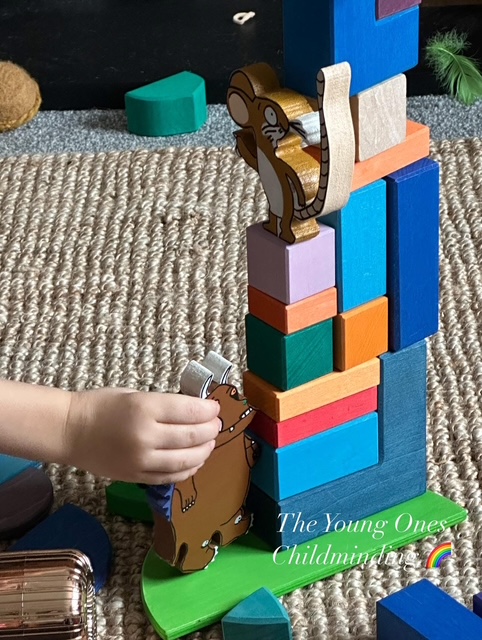
When a child builds a tower, they’re not only playing – they’re learning balance, spatial awareness, and perseverance when it falls. When they make you “dinner” from leaves and mud in the garden, they’re developing social skills, sequencing and role play. When they paint with their hands or squish playdough, they’re strengthening fine motor skills and processing sensory input.
You Don’t Need Fancy Toys or Perfect Pinterest Setups
We live in a world of curated crafts and colour-coordinated toy rooms, but let’s get this straight: you do not need to be a play expert or have a Montessori-certified space to support your child’s development.
Some of the best play happens with the simplest things:
Pots and pans and a wooden spoon
A cardboard box (a spaceship! a shop! a den! The possibilities are endless!)
Scarves to twirl, animals to line up, pegs to sort
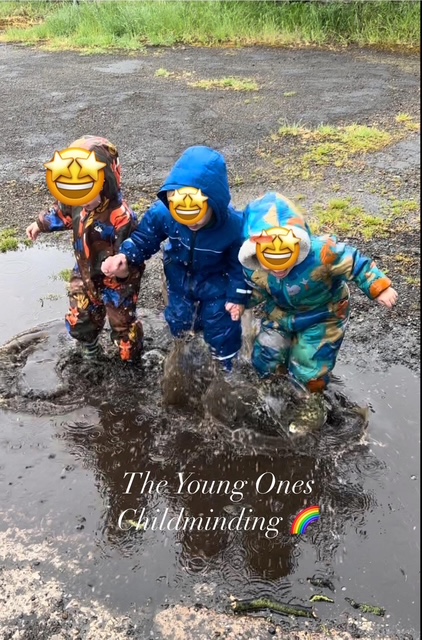
A puddle and some wellies
You don’t need more stuff – you just need space for imagination.
“But I’m Not Good at Playing…”
You don’t have to be! You don’t need to be on the floor all day long pretending to be a dinosaur or customer at the café. Your role is to offer the environment, encourage curiosity, and sometimes join in—but it’s okay to step back too. Independent play is healthy and important.
One powerful way to connect is by noticing what your child’s doing and commenting, not directing.
“Wow, you used all the blue blocks!” “I can see you’re working so carefully on that tower.” “That dragon looks fierce!”
This shows them you value their play – and their thinking.
Develop language (narrating, naming, story-making)
Strengthen their bodies (running, climbing, balancing)
Learn how to be with others (cooperation, empathy, self-resilience, self-confidence and self-control)
We don’t need to rush them to academics and formal classroom education. All of that learning? It’s already happening – in the block corner, at the water tray, in the back garden.
Let Them Lead
One of the greatest gifts we can give children is time to explore their interests, even if it means getting a little messy or noisy. Let them follow their curiosity. Ask open-ended questions. Offer time and space, not pressure.
When we protect play, we protect joy and joy is where real learning begins.
All children are born with a natural fascination for the world around them. Our role, as early years practitioners, educators and even parents and family units, is to spark and nurture that curiosity, guiding them to explore and learn more about nature. With the Department for Education and the UK government pushing for more conscious sustainability practices, and as the early years sector sees a greater emphasis on nature-based play, it’s vital that practitioners and entire settings understand both the reasoning behind this movement and, most importantly, the incredible benefits nature-based learning has on young children.
It’s proven that nature plays a crucial role in early years development, with countless benefits for every child’s physical, cognitive, social, and emotional growth. In fact, it’s becoming widely recognised that children should be spending at least three hours of outdoor free play each day. Yet, a recent study revealed that most children spend only around 4-7 minutes outdoors each day! This statistic is alarming, but we have the power to change this and provide young children with the opportunities they need to thrive! All children, regardless of the setting, benefit from being immersed in nature – both through outdoor play and by bringing elements of nature into the indoor environment.
The Benefits of Nature-Based Learning
Nature-based learning supports children’s development in a meaningful and holistic way. By allowing children to engage in free play, investigate and connect with the natural world, they’re given opportunities to develop a sense of awe and wonder, spark curiosity and build a lasting appreciation for the environment. Nature is a rich sensory playground that stimulates vocabulary development, language skills and cognitive growth. At the same time, it helps children develop self-awareness, confidence and independence – all while reducing stress and anxiety in both children and adults… This means that nature play benefits not only the children but also the educators and caregivers who engage in it.
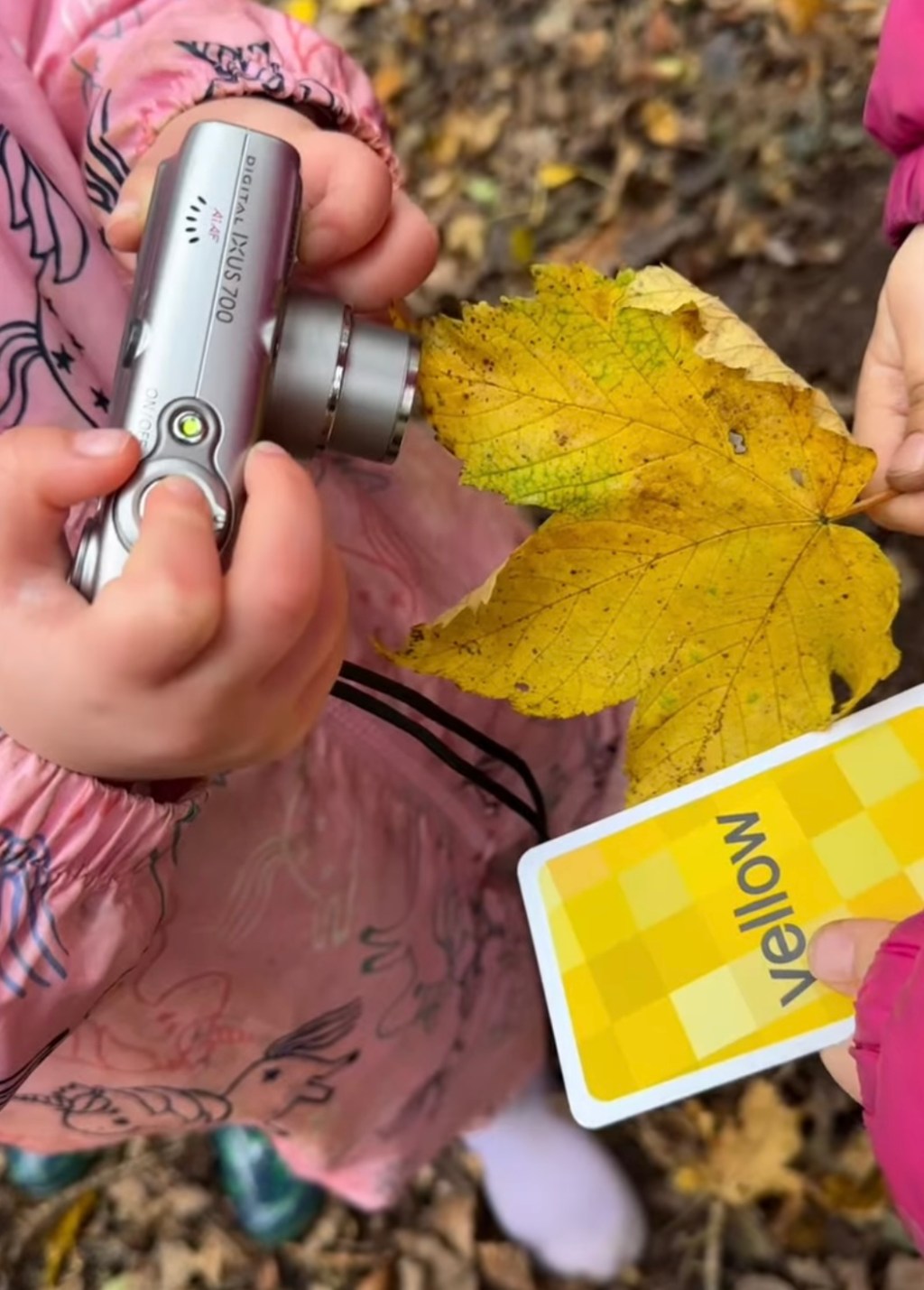
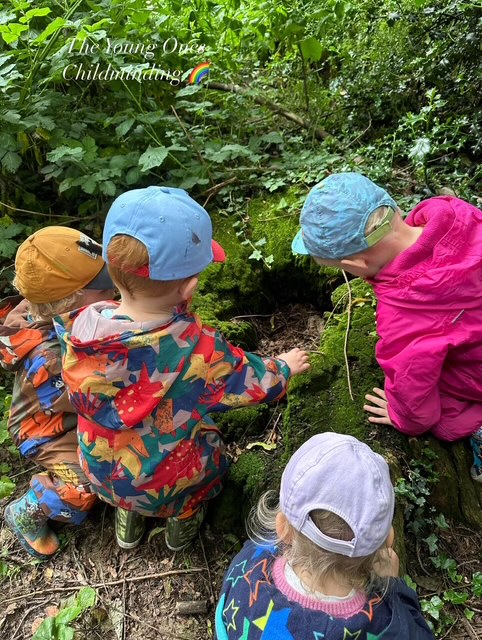
Learning through nature can take place both outdoors and indoors. By incorporating natural resources, loose parts and nature-inspired materials into the learning environment, we encourage children to connect with the world around them. One of my favourite indoor activities with the children is exploring mini-beasts and animal lifecycles. We can create transient art using loose parts, make bugs out of playdough and research various types of insects. These activities can easily be extended and explored outdoors – whether it’s going on a mini-beast hunt with magnifying glasses or visiting a pond to observe frog lifecycles firsthand. The possibilities for nature-inspired learning are endless!
Physical, Emotional, and Social Benefits
Being outdoors also provides children with more opportunities to explore physical experiences, engage in gross motor activities and take part in ‘risky play’. These experiences help foster overall development, promote healthy lifestyles and even boost immune systems. There are so many ways to take learning outdoors and integrate nature into the pedagogies and curriculums of early years settings. Nature play can be introduced from the very beginning and doesn’t have to be complicated. Simple activities like creating nature treasure baskets filled with natural resources, hanging natural objects for visual stimuli or simply taking babies and young children outdoors to feel the grass beneath their toes all help to engage them with the natural world.
Introducing nature play from a young age lays the foundation for positive environmental awareness and stewardship. It nurtures a love for nature that will help children develop a sense of responsibility for the planet and future sustainability.
A Call to Action
So, whether you’re taking babies outdoors to experience the grass between their toes or going on a mini-beast adventures with older children, every moment spent in nature is an opportunity for growth. Let’s embrace the beauty and potential of nature-based learning to nurture the next generation of explorers, stewards and environmental advocates.





 Guiding The Young Ones
Leave a comment