Tag: mental-health

  • Suspended, but Silenced: The Hidden Weight of Childminding 

    Suspended, but Silenced: The Hidden Weight of Childminding 

    Recently, I received a heartfelt message from a fellow childminder. Their words have stayed with me, not only because of the pain behind them, but because they shine a light on something rarely spoken about — the quiet, terrifying vulnerability many childminders live with.

    They described how, from one day to the next, their setting was suspended by Ofsted while an investigation took place. They had no warning. No timeframe. No explanation. Overnight, their business was closed, their income stopped, and their world thrown into chaos.

    And here’s the hardest part:
    they didn’t even know why.

    Weeks passed before any details were shared. In that time, bills still needed to be paid. Children and families still needed care. But the childminder was left in silence, unable to work, unable to defend themselves, unable to plan for what lay ahead.

    And this isn’t even an isolated case! I’ve received several emotional messages from heartbroken and desperate professionals — many who have now left the sector entirely. This is especially painful in a sector already stretched thin. We cannot afford to loose more passionate educators who make such a profound difference to children’s lives.

     The financial toll

    For employed people, suspension pending investigation usually comes with pay and a clear process. For self-employed childminders, there is nothing. No salary. No safety net. Insurance payouts, where available, barely touch the loss. Meanwhile, the weeks — and sometimes months — drag on.

    The emotional toll

    Imagine being dedicated to your work, pouring your heart into children every single day, only to find yourself labelled “under investigation.” And the truth is, it can happen to anyone. It doesn’t matter how committed you are, how high your standards are, or even what Ofsted rating you hold — every single childminder is vulnerable. You’re not told what for, or when it might be resolved. You just sit in limbo. Fear creeps in. Sleep disappears. Anxiety grows. And the isolation is crushing, because unlike those in larger settings, we have no team to lean on.

    Even after the investigation ends — and many are unfounded — the scars remain. Rebuilding confidence, rebuilding trust, and rebuilding your business after months away is not easy.

    The professional toll

    And yet this is a reality many childminders face. As one childminder who wrote to me said so clearly:

    “We are left completely alone to navigate a horrible time with no clear rules, no timeframe, and no support.”

    Why this matters

    This absolutely isn’t about resisting safeguarding — it’s about recognising that child safety and professional wellbeing can and must go hand in hand. Protecting children will always be paramount. It has to be! But safeguarding and fairness should not be polar opposites.

    We need:

    • Clear timeframes so investigations cannot drag on indefinitely.
    • Financial protections so childminders are not left destitute while waiting for outcomes.
    • Mental health support to help childminders cope with the stress and fear of suspension.
    • Accountability from governing bodies who hold our livelihoods in their hands.

    Because right now, childminders are left carrying all the risk, with none of the protections an employed worker would expect.

    The bigger picture

    It’s easy to overlook the hidden pressures childminders face. Parents and families see us as warm, nurturing, flexible care for their children — which we are. But behind that is the stark reality: we shoulder everything alone. No sick pay. No holiday pay. No HR support. No big team behind us.

    When a suspension happens, it isn’t just a business that suffers. It’s families left without care. Its children suddenly pulled from familiar routines. It’s livelihoods thrown into question. And it’s individuals — passionate, dedicated professionals — left broken by a system that shows them no compassion.

    If employers are expected to support their staff during suspension, why should childminders — who form the backbone of childcare for so many families — not be given the same respect?

     A call for change

    If inspections and investigations are truly about safeguarding, then the process should safeguard everyone involved, not destroy those who dedicate their lives to children.

    Childminders love their work. But love alone cannot carry the weight of financial ruin, sleepless nights, and months of uncertainty. We need systems that are just, compassionate, and accountable.

    Until then, too many will live in fear of the “what ifs” — and too many may decide the risk is simply too high.

    Because behind every suspension is not “just a childminder”.
    It’s a human being.
    It’s a family.
    It’s a life turned upside down.

    And that cannot be the price of of a system that protects children in theory, but leaves the adults who care for them unprotected in practice.

    Leave a comment

  • Simple Forest School Activities for Little Explorers

    Simple Forest School Activities for Little Explorers

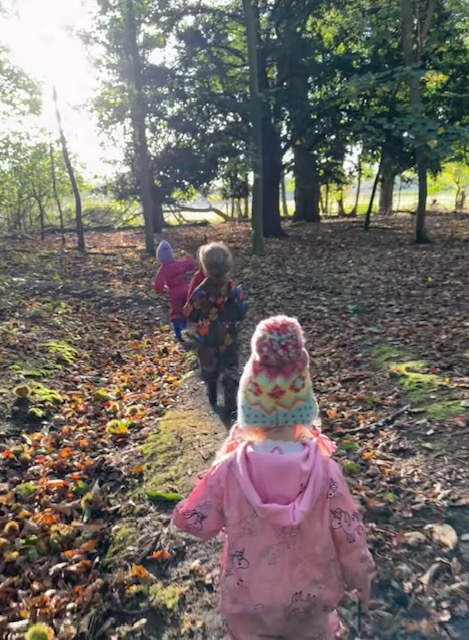
    There’s something magical about the forest — the way the light dances through the trees, the crunch of leaves under little feet, and the freedom children feel when they’re surrounded by nature. Forest School isn’t just about being outside — it’s about being with the outdoors. It’s about curiosity, confidence, and connection.

    Whether you’re running a Forest School session or just heading out to your local woods with little ones, here are some simple yet powerful activities to spark learning, laughter, and a love of the wild.


     1. Stick Man Story Walk

    Inspired by the beloved book Stick Man by Julia Donaldson, take a walk through the woods and encourage children to find their own “Stick Man.” Use sticks to retell the story, act out scenes, or make your own woodland puppet show.

    Extension idea: Collect sticks of different lengths and sizes — can you measure them? Sort them? Build a den?


    2. Playdough & Clay Tree Faces

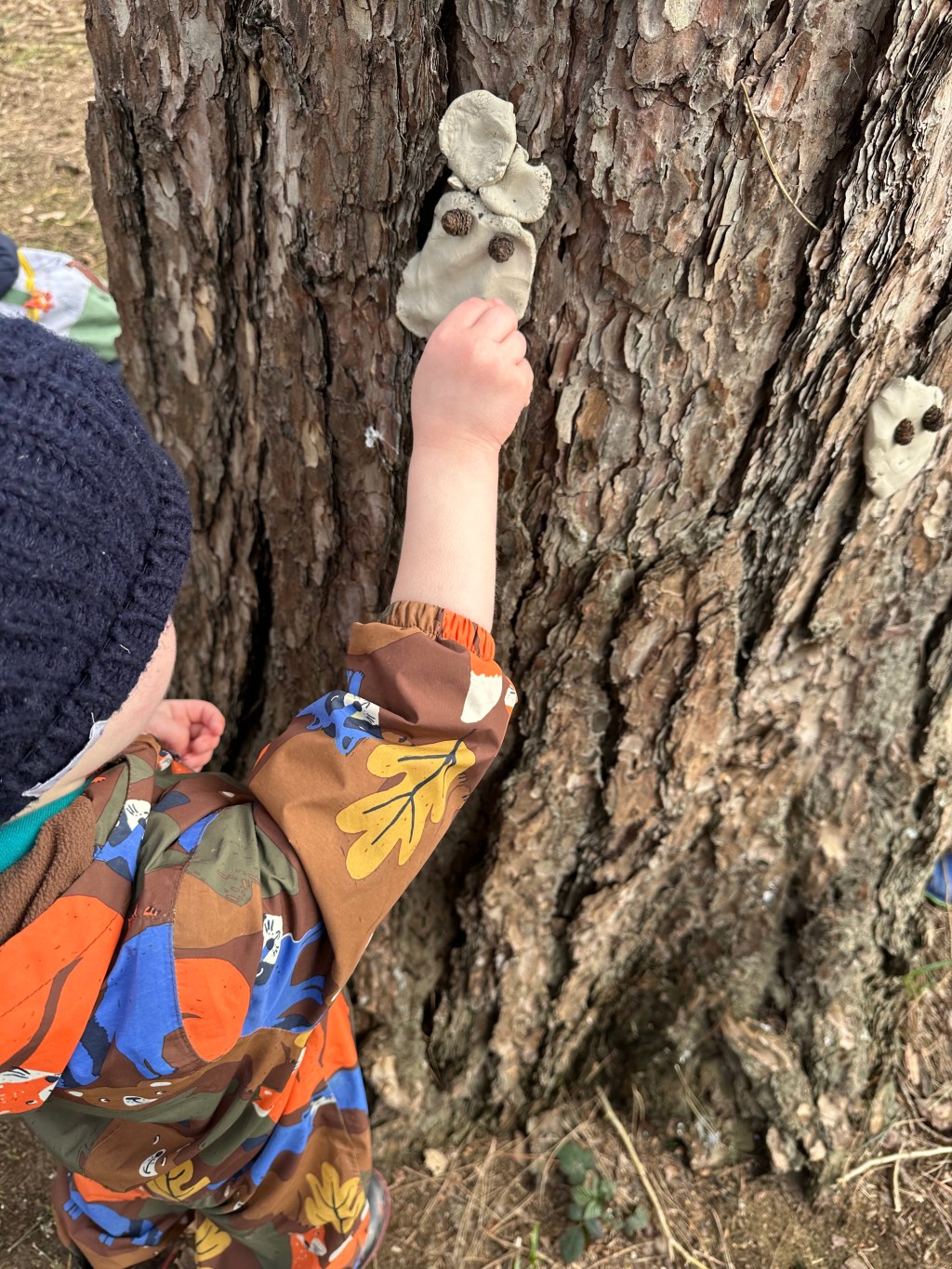
    Bring along some natural-toned playdough or forest clay and let imaginations run wild! Children can create faces on tree trunks using leaves, twigs, stones, acorns, and other natural treasures. Will it be a friendly forest spirit, a cheeky goblin, or a wise old woodland watcher?

    We’ve even made Gruffalo characters before — it’s a wonderful way to mix storytelling, fine motor skills, and sensory creativity!

    Top tip: Take photos of their creations to revisit and reflect later — especially if the weather changes them!


    3. Nature Potions

    Set up a little “potion station” using bowls, ladles, pestle and mortar, or even just open-ended containers. Encourage children to mix mud, leaves, petals, and water to create magical mixtures.

    Why it matters: This activity supports imaginative play, fine motor skills, and sensory exploration.


    4. Bird Nest Building

    Challenge children to build a nest using only natural materials — twigs, moss, grass, and leaves. Talk about where birds live, and what makes a good home. Compare your nest designs and see how well they hold an “egg” (a small stone or pinecone works well!).

    Learning link: This activity introduces early engineering, problem-solving, and empathy for animals.


     5. Listening Walk

    Slow things down with a mindful listening walk. Ask the children to close their eyes for a few seconds — what can they hear? Birds? Wind? Cracking twigs? Create a sound map by drawing or marking where each sound came from.

    This is a wonderful way to promote mindfulness, awareness, and calm.


     6. Campfire Snacks (With Safety!)

    If you have the training and setup for it, a small campfire can be an unforgettable part of Forest School. Try making chocolate baked banana, popping corn in foil, or even making dampers (twisty bread on a stick).

    REMEMBER — Always follow strict safety guidance, ratios, and permissions — and model respectful, responsible fire use.


     Forest School Is About Being, Not Just Doing

    Some of the most powerful moments in Forest School aren’t planned. They happen when a child crouches to watch an ant carry a leaf, or when they proudly balance on a fallen log for the first time. Let go of outcomes. Follow their lead. Nature is the teacher — we’re just there to walk beside them.

    Final Tip: Bring a journal or camera to document the wonder. The small moments — muddy smiles, a feather found, a whisper of “Look what I made!” — are worth remembering.

    Let’s keep nurturing a generation who loves the earth, plays with purpose, and grows with freedom. 

    Leave a comment

  • Not Built to Sit Still: Defending Childhood in an Age of Pressure

    Not Built to Sit Still: Defending Childhood in an Age of Pressure

    A Barefoot Conversation

    Why play, presence, and connection matter more than the DFE’s version of “school readiness

    A barefoot conversation with a ladybird.
    That’s what stopped me in my tracks.

    Tiny toes curled against the grass, a child crouched low and still—whispering gentle words to a ladybird resting on a leaf. No rush. No noise. Just awe. Just presence.

    And in that moment, everything made sense again. This is childhood. Not worksheets. Not school-readiness tick lists. Not quiet hands and still bottoms. But muddy feet, wonder-filled questions, and empathy blooming from the tiniest of encounters.

    We are raising little humans, not robots. And yet across the country, we’re asking four-year-olds to meet expectations built for older children. We’re asking them to sit before they’re ready, to read before they’re developmentally able — to achieve like an adult, rather than explore like a child.

    But the world doesn’t need more children who can sit still at four.
    It needs children who care.
    Children who feel.
    Children who notice the smallest creatures and imagine their stories.

    Because from these early acts of compassion — like chatting to a ladybird — come the roots of kindness, empathy, and responsibility for the world around them.


    What the Research Says

    We don’t have to guess what children need. Decades of child development research is clear: play is not a luxury—it’s a biological necessity.

    • The Harvard Center on the Developing Child highlights that young children learn best through active, joyful, and engaging experiences— not passive instruction.
    • The Alliance for Childhood and UNICEF advocate strongly for delayed formal schooling, with many European countries (like Finland and Sweden) beginning structured academic learning at age 6 or 7 — after a long foundation of play-based early years education.
    • Neurological studies show that movement, exploration, and connection are essential for developing executive function, emotional regulation, and long-term cognitive skills.

    Yet here in England, we’re still pushing four-year-olds (and younger) into formal classrooms. We’re turning play into a performance. Exploration into outcomes. And our children are paying the price.


    A Personal Reflection

    When I think of the children in my care, I think of the ones who can build entire worlds out of sticks and stones. The ones who soothe slugs and rescue worms. The ones who tell me, with complete seriousness, what the ladybirds are saying back.

    And I think of the quiet ones — the ones who thrive when they are not rushed. The ones who don’t always find sitting easy, but who can spend 40 minutes moving conkers from bowl to basket with deep, meaningful concentration.

    These aren’t children who are behind. These are children who are becoming.
    Children who are deeply engaged with their world.
    Children who will grow into compassionate, thoughtful, resilient humans — if we let them.

    And yet I see the increased pressure creeping in. From “school readiness” checklists. From misunderstood expectations. From a system that has forgotten what childhood is meant to be.


    The Bigger Picture

    This isn’t just a professional frustration — it’s a national concern. We are seeing a sharp rise in childhood mental health difficulties, and many professionals in the early years sector are sounding the alarm.

    Children today are growing up in a world that is louder, faster, and more pressured than ever before. Many are struggling with anxiety, attention difficulties, and burnout — at just four or five years old. And instead of responding with care and compassion, we are asking them to sit longer, try harder, be quieter. This is not developmentally appropriate. It is damaging.

    Every child learns in their own way. Some need movement to think clearly. Some need silence. Some learn through messy, sensory exploration, while others thrive in quiet, focused play. They are not carbon copies. They are not data points. And they are certainly not “failing” because they can’t yet conform to adult-driven expectations. If we truly care about children, then their wellbeing, mental health, and right to a childhood must become our top priority — not optional extras squeezed in between phonics and fine motor worksheets.

    Why are we ignoring the mountain of evidence? Why are we still using outdated models of achievement when the world (and the child) has changed?

    It’s time we remembered: school readiness isn’t about sitting still. It’s about being secure, curious, and emotionally equipped to handle new environments. And we build those foundations through love, play, and presence — not pressure.


    A Call to Action

    Unfortunately, we can’t wait for policymakers to catch up — because far too many of the people making decisions about children have little understanding of child development and seem unwilling to listen to those who do. The system won’t fix itself. But we can be the change, from the ground up.

    Here’s how:

    • Speak up. Share your stories, your knowledge, your child-centred practice. Help shift the narrative from achievement to wellbeing.
    • Advocate. When conversations arise about “school readiness,” bring it back to what matters: secure attachments, emotional literacy, and developmentally appropriate expectations.
    • Connect. With parents, with educators, with community leaders. The more unified our voice, the harder it is to ignore.
    • Protect play. Let children be barefoot. Let them talk to ladybirds. Let them carry sticks and ideas and questions. This is not time wasted — it is everything.

    Final Thoughts From an Educator

    One day, our children will look back on these years.

    Will they remember a world that rushed them, silenced them, and tried to make them smaller?
    Or will they remember being seen, heard, and cherished for exactly who they were?

    That gentle whisper to a ladybird might just be the first step in raising a child who will one day protect the planet, comfort a friend, or stand up for what’s right.

    And that begins not with the DFE’s current version of readiness, as described by Bridget Phillipson…
    But by people who truly understand child development and with respect for childhood.

    So, let us be the ones who slowed down.
    Who knelt beside them in the grass.
    Who made space for joy, for wonder, for messy, magnificent becoming.

    Because when we protect childhood, we protect everything that matters.

    Leave a comment

    Go back

    Your message has been sent

    Warning
    Warning
    Please rate our website(required)
    Warning
    Warning
    Warning!

  • Filling Their Banks: How Tiny Moments Build a Kinder World

    Filling Their Banks: How Tiny Moments Build a Kinder World

    here’s a beautiful analogy I heard recently that’s stayed with me ever since. It came from Gable House Nursery, and it goes like this:
    Every child has a bank.
    As early years educators, we are responsible for filling it — with moments, memories, first experiences, and feelings that will shape their inner world for the rest of their lives.

    And when I heard that, I thought: Yes. That’s it. That’s exactly what we do.

    We may not always realise it in the rush of routines or the mess of muddy wellies — but every time we kneel down to listen, every time we sit beside a child in their joy or frustration, every time we make space for their questions, their wonder, their play — we are making a deposit.

    And these deposits matter. Because one day, when that child grows up and the world feels hard or uncertain, they’ll have something to draw on. A sense of worth. A memory of being loved. An instinct that tells them: You are seen. You are safe. You are enough.

    That’s the kind of investment we’re making.

    And perhaps more than ever, our world needs that.
    It needs children who grow up feeling emotionally full — so they don’t spend adulthood searching for what they never received. It needs children who’ve known kindness, patience and acceptance — so they can carry those things forward into their relationships, communities, and choices.

    Because when we fill a child’s bank, we’re not just shaping one little life — we’re shaping the future.

    But it’s not just about emotional deposits. It’s also about broadening their world — offering children meaningful experiences that build their sense of identity, connection, and possibility.
    This is the heart of cultural capital — those precious moments and encounters that help children make sense of the world around them, feel part of something bigger, and grow into themselves with confidence.

    So how do we do that? How do we fill these invisible banks in ways that truly last?

    These do not always need to be found in grand gestures or expensive outings.
    But with the tiny, ordinary, everyday things — and by offering children experiences they may never have had the chance to encounter before:
    • The thrill of splashing in a muddy puddle for the very first time.
    • The wonder of holding a snail, planting a seed, or mixing a cake from scratch.
    • The discovery of new words, new stories, new rhythms — shared across cultures and generations.
    • The joy of belonging — of being part of a celebration, a tradition, a shared moment of meaning.

    These are powerful forms of cultural capital — experiences that enrich, connect, and help children feel rooted in both who they are and who they’re becoming.

    They may also be found in those moments of connection, those moments that you show a child they truly matter, how much you care, and how special they are:

    • The warm eye contact when they tell a story.
    • The unhurried time spent spotting worms or clouds.
    • The quiet “I see you” in moments of struggle.
    • The comfort of routines, the spark of curiosity, the laughter that bubbles up mid-play.
    • The way we believe in them — even when they’re still learning how to believe in themselves.

    These are also the real riches of childhood.
    These are the moments that stay.

    We may never see the full impact of our work — not in certificates, not in test scores.
    But we see it in their joy, their growth, and the beautiful, kind-hearted humans they are becoming.

    So to all of you who show up for children — educators, childminders, parents, grandparents, key workers and co-regulators — thank you.
    Thank you for every tiny deposit. For every ounce of emotional labour. For every patient pause and playful invitation.

    You are building a kinder world.
    One connection, one moment, one full little bank at a time.

    Leave a comment

  • Building Strong Relationships with Young Children: The Importance of Attachment

    Building Strong Relationships with Young Children: The Importance of Attachment

    As early years educators, whether you’re a childminder or a nursery practitioner, one of the most important aspects of your role is to create a safe, nurturing and supportive environment for the children in your care. While many parents and caregivers naturally focus on physical needs like feeding, clothing and safety, the emotional needs of children are equally vital for their growth, development and wellbeing.

    At the heart of this emotional support is attachment – the deep emotional bond that forms between a child and their primary caregivers. The quality of these relationships has a significant impact on a child’s overall well-being and development. Understanding and fostering healthy attachment is essential in the early years.

    What is Attachment?

    Attachment refers to the bond that children form with their caregivers, which provides them with a sense of security and safety. This bond is formed through consistent, responsive interactions and builds the foundation for emotional regulation, trust and social development.

    In the early years, children are particularly sensitive to the quality of their relationships. Positive attachment experiences help children feel safe, loved, and understood, which is crucial for their mental, emotional and social development.

    Why Attachment Matters in Early Childhood

    1. Emotional Development: Children who have secure attachments with their caregivers tend to develop strong emotional regulation skills. They learn how to manage their feelings, cope with stress, and express emotions in healthy ways. These children are also better equipped to form positive relationships with others.

    2. Social Skills: Attachment in early childhood lays the groundwork for how children interact with others as they grow. Children with secure attachments are more likely to show empathy, engage in positive social interactions, and develop strong peer relationships.

    3. Cognitive and Language Development: Secure attachment helps create a safe base for exploration and learning. Children who feel secure are more confident in exploring their environment, trying new things, and engaging in cognitive tasks. This exploration and engagement are key drivers of language and cognitive development.

    4. Long-Term Mental Health: A strong attachment bond in the early years can set the stage for healthier mental health outcomes throughout childhood and into adulthood. Children who experience secure attachment are less likely to experience anxiety, depression or behavioural problems.

    How Can Childminders and Nursery Staff Foster Strong Attachments?

    1. Be Consistently Responsive to Children’s Needs: One of the most important ways to foster secure attachment is to be consistently responsive to a child’s physical and emotional needs. Whether it’s offering comfort when a child is upset or providing praise when they achieve something, consistency helps children feel understood and valued.

    • Practical Tip: Respond to verbal and non-verbal cues from the children. If a child reaches out for comfort or needs assistance, try to meet those needs in a calm, caring manner. Over time, this builds trust.

    2. Establish Predictable Routines: Children feel more secure when they know what to expect. Creating a predictable and consistent routine helps children feel safe and reduces anxiety. It’s important to provide structure in the daily schedule, but also to remain flexible to the children’s emotional needs.

    • Practical Tip: Create a visual schedule with pictures that children can refer to throughout the day. This helps younger children, especially those who are non-verbal, understand what’s coming next.

    3. Create a Warm and Inviting Environment: Children need to feel emotionally safe in their environment. A warm, inviting atmosphere allows children to explore and learn, knowing that there is a safe haven they can return to when they need it. Your body language, tone of voice and facial expressions play a large role in this.

    • Practical Tip: Use open body language, maintain eye contact, and speak in a soothing tone when interacting with children. A friendly and approachable demeanor invites children to come to you for support.

    4. Offer Comfort and Reassurance: When children are upset or distressed, your ability to offer comfort and reassurance plays a critical role in strengthening the attachment. Whether it’s through a gentle touch, a cuddle or words of encouragement – children need to feel supported during challenging moments.

    • Practical Tip: When a child is upset, kneel down to their level, acknowledge their feelings, and offer reassurance. Simple phrases like, “I see you’re upset, and I’m here to help” go a long way in making children feel safe.

    5. Be Present and Engage: Quality time spent with children is one of the best ways to form secure attachment. Engage in activities that foster connection, such as reading together, playing games, or simply talking and listening to them. Active engagement helps children feel valued and understood.

    • Practical Tip: Get down to the child’s level during playtime and actively participate. Whether it’s building with blocks or drawing, your involvement helps them feel secure and appreciated.

    6. Encourage Emotional Expression: Allowing children to express their emotions in a safe and supportive environment helps them understand their feelings and develop emotional regulation skills. Recognise and validate their emotions, which helps them feel understood.

    • Practical Tip: If a child is feeling sad, angry, or frustrated, encourage them to talk about their feelings. You might say, “It looks like you’re feeling cross. Can you tell me what has happened?” This encourages emotional expression and problem-solving.

    Building strong relationships with young children through attachment is one of the most powerful tools you have as a childminder or nursery practitioner. By being responsive, creating a nurturing environment and fostering emotional security, you’re helping children develop the skills they need for a lifetime of healthy relationships, resilience and emotional well-being.

    Remember, the way we connect with children in their early years has lasting effects and the bonds we create today can positively impact their future development. The children in your care need to feel safe, seen and supported in every way – and as early years educators, you are key to making that happen.

    Leave a comment

    Pages: 1 2

  • Let’s Talk About – Domestic Violence and Abuse: Support, Information and Reassurance

    Let’s Talk About – Domestic Violence and Abuse: Support, Information and Reassurance

    Domestic violence or abuse can affect anyone, regardless of age, gender, or background. If you’re worried that someone might notice or check on the pages you’ve visited, the Women’s Aid website offers guidance on how to cover your tracks online to protect your privacy.

    What is Domestic Violence and Abuse?

    Domestic violence, also referred to as domestic abuse, encompasses physical, emotional and sexual abuse that occurs in intimate partner relationships or between family members. It can happen to anyone and unfortunately, anyone can be an abuser.


    Getting Help and Support for Domestic Violence

    You do not have to wait for an emergency situation to reach out for help. If you’re experiencing domestic abuse, it’s important to talk to someone and remember that you are not alone.

    Information and Support Resources:

    • For women: Call the Freephone National Domestic Abuse Helpline run by Refuge at 0808 2000 247, available 24/7, offering confidential, non-judgemental information and support.
    • For men: Call Men’s Advice Line at 0808 8010 327 (Mon-Fri 10am-8pm) or visit their webchat (Wed 10am-11:30am & 2:30pm-4pm) for information and support.
    • For LGBT+ individuals: Call Galop at 0800 999 5428 for emotional and practical support.
    • For forced marriage or honour crimes: Call Karma Nirvana at 0800 5999 247 (Mon-Fri 9am-5pm) or GOV.UK Forced Marriage Unit at 020 7008 0151.

    In emergencies, always call 999. You can also email for support. When emailing, please specify when and how it is safe to respond:

    The Survivor’s Handbook from Women’s Aid is a free resource that provides essential information about housing, money, children’s support, and legal rights.

    If you’re concerned about your own behaviour, the Respect Helpline can provide support. Call 0808 802 4040 for confidential, free advice.


    Signs of Domestic Violence and Abuse

    Domestic violence is fundamentally about power and control. There are different forms of abuse, and it can be hard to recognise, especially when the abuser acts differently around others. Here are some questions to help you identify potential abuse:

    Emotional Abuse:

    • Does your partner belittle or put you down?
    • Do they blame you for arguments or abuse?
    • Do they isolate you from family or friends?
    • Do they control your access to money or essential items?
    • Do they monitor your social media or invade your privacy?

    Threats and Intimidation:

    • Are you ever threatened with harm or death?
    • Do they destroy your belongings or intimidate you physically?
    • Are you ever made to feel fearful of their actions?

    Physical Abuse:

    • Has your partner slapped, punched, kicked, or physically harmed you?
    • Have they ever burned or choked you, or thrown things at you?

    Sexual Abuse:

    • Have they touched you in ways you didn’t want?
    • Are you pressured into unsafe or unwanted sexual activity?
    • Are you made to have sex when you don’t want to, even with a partner?

    General Signs of Abuse:

    • Have you ever felt afraid of your partner?
    • Have you changed your behavior out of fear of what they might do?

    If you answered “yes” to any of these, you might be in an abusive relationship. Help is available, and you don’t have to face this alone.


    Domestic Abuse During Pregnancy

    Unfortunately, domestic abuse often increases during pregnancy. If you are pregnant and facing abuse, it can get worse as the relationship dynamics change. It’s essential to seek support, both for your safety and the safety of your unborn child.


    If You Decide to Leave

    The first step in escaping an abusive situation is realizing that you are not alone, and it’s not your fault. Before leaving, it’s important to get advice and create a safety plan. Some organizations that can help with safety planning are:

    • Women’s Aid (for women)
    • Men’s Advice Line (for men)
    • Galop (for LGBT+)

    If you plan to leave, be careful who you tell, and make sure the person abusing you does not find out where you’re going. Women’s Aid provides practical advice on making a safety plan for both men and women.


    Signs of Domestic Abuse on Children

    Domestic abuse often impacts children who witness it. It’s important to be aware of the signs that a child may be affected:

    • Aggression, bullying, or anti-social behavior
    • Anxiety, depression, or suicidal thoughts
    • Bed-wetting, nightmares, or insomnia
    • Frequent sickness or unexplained health issues
    • Eating disorders or substance use
    • Problems in school or learning difficulties
    • Withdrawal or isolation

    If you notice any of these signs, it’s important to seek support for both you and your children.


    Effects of Domestic Abuse on Children

    Children who live in homes with domestic abuse may experience long-term effects on their mental, emotional, and physical wellbeing. These impacts can last into adulthood if left unaddressed.

    What’s crucial is ensuring that the abuse stops and that children are provided with a safe, stable environment where they can heal.


    Support for Adults and Families Affected by Domestic Abuse

    There are several support services available:

    • Relate: Call 0300 003 0396 for support with relationship issues, including domestic abuse.
    • National Domestic Violence Helpline: Call 0808 2000 247 (24/7).
    • Men’s Advice Line: Call 0808 801 0327 for men experiencing domestic abuse.
    • National LGBT+ Domestic Abuse Helpline: Call 0800 999 5428 for LGBT+ individuals.

    Help for Those Worried About Their Behaviour

    If you think you may be abusive, or are concerned about your behaviour, help is available.

    You can call NSPCC at 0808 800 5000 or email help@nspcc.org.uk for advice and support.

    You can also reach out to Respect at 0808 802 4040 (Mon-Fri 9am-5pm) for confidential help. Their webchat service is available on Tuesdays and Thursdays.


    Remember, you are not alone, and help is available. There are professionals who care and can support you through the difficult journey of healing, whether you are experiencing abuse, have witnessed it, or are concerned about your own behaviour.

    Take the first step – reach out, ask for help, and know that there is a path to safety, peace and healing.

    Leave a comment

    Pages: 1 2

  • Calm Down Box/Basket

    Calm Down Box/Basket

    What is a Calm Down Basket/Box?

    We all experience moments when we feel stressed, overwhelmed or dysregulated – these feelings are completely normal, all be them unpleasant! A calm down box is a wonderful tool designed to help children (or even adults) manage their emotions, regulate their bodies and minds and build resilience in moments of stress.

    A calm down box is a special place that holds your child’s (or your own) favourite items, specifically chosen to aid in self-regulation. These items help to restore balance by grounding the senses – whether through touch, smell, sight, sound or practicing breathing techniques.

    The Golden Rules of a Calm Down Box:

    • Choose items that are liked and age-appropriate: Make sure the contents are things your child (or you) will enjoy using.
    • Avoid screen-time items: Calm down boxes should not include screens like iPads or gaming devices.
    • Encourage independent play: The purpose of a calm down box is to (eventually) help children self-regulate on their own, so it’s important that the contents promote independent interaction.
    • Model how to use it: If your child is new to using a calm down box, you may need to show them how to engage with the items inside, especially during moments of big emotions (some children will need a longer period of time co-regulating and it is important we support them, so they can eventually self-regulate).

    What to Include in a Calm Down Box:

    If you’re wondering what to add, consider items that encourage repetitive motions or sensory experiences, such as spinning, clicking or rolling. These activities can help children focus and calm their minds. Toys with different textures, sounds and scents can be particularly effective in distracting from overwhelming emotions, helping children refocus and regain a sense of calm.

    What is a Sensory Break?

    A sensory break is a short, intentional pause from regular activities to engage in calming sensory experiences. These breaks are not just for times of stress; they can also be used when a child is feeling calm or happy. The purpose is to teach children valuable self-regulation tools that they can later use during moments of frustration or upset.

    The Benefits of a Calm Down Box and Sensory Breaks:

    A calm down box and sensory breaks offer many benefits, such as:

    • Increased mindfulness: Helping children become more aware of their emotional and physical states.
    • Reduced stress and anxiety: Sensory activities can reduce the impact of stress and encourage relaxation.
    • Improved emotional regulation: Children learn to better manage their emotions, even in challenging situations.
    • Enhanced self-awareness: Through regular practice, children become more in tune with their emotions and how to manage them.

    When we engage with our senses, such as through touch or smell, we activate the parasympathetic nervous system (PNS) – the body’s natural calming response. This response counteracts the “fight or flight” instinct, reducing heart rate, blood pressure and muscle tension. Sensory breaks also help distract the brain from anxious thoughts, redirecting focus to more calming and restorative experiences.

    A Reminder:

    Younger children may need support and guidance from adults to effectively use their calm down boxes, especially during moments of strong emotions, distress, or dysregulation. It’s important to be patient, offer gentle guidance and make it a practice that encourages emotional growth and resilience.

    Leave a comment

    Pages: 1 2

  • Let’s Talk about – Self regulation and emotional resilience 

    Let’s Talk about – Self regulation and emotional resilience 

    Supporting Young Children in Developing Emotional Regulation

    Emotional regulation isn’t a skill we’re born with—it’s something we learn over time. In the early years, children’s moods can swing and change massively. Because of this, helping each child learn to self-regulate across a wide range of emotions is one of our most important responsibilities as educators, caregivers or parents.

    The foundations of emotional and cognitive self-regulation are deeply interconnected in the early years and both are essential for behavioural regulation. For young children, this learning process begins with co-regulation—a supportive partnership between child and adult that has both emotional and cognitive aspects.

    Emotionally, co-regulation involves adults modelling calming strategies, naming and talking about feelings and introducing ways to manage them. This helps children begin to recognise their own emotional states and builds their understanding of how to reduce or cope with intense emotions.

    Cognitively, adults can scaffold self-regulation by talking with children about their thinking and learning – helping them pause, reflect and become aware of their thought processes. This early support helps build skills like impulse control, attention, and flexible thinking. It’s also important that adults can model their own thinking processes such as; “I feel sad because” and then what they can do to help themselves “I am going to go for a run because that helps me feel better”, allowing children opportunities to see positive reactions to negative feelings.

    When emotions run very high, they can interfere with a child’s ability to use these cognitive tools. A child overwhelmed by strong feelings may struggle to focus, regulate impulses or think clearly. This is because heightened emotional arousal can overpower the brain’s capacity for logical thought and problem-solving. In these moments, emotional co-regulation must come first – supporting the child in calming down – before they’re ready to reflect or respond thoughtfully to a situation.

    Key Strategies for Co-Regulation

    Researchers have identified three foundational strategies that support effective co-regulation in early childhood. These approaches work together to create the conditions in which children can begin developing their own self-regulation skills.

    1. Positive Relationships
    At the heart of co-regulation is a warm, responsive relationship. When children feel respected, comforted and supported – especially during times of stress – they are more likely to feel safe and understood. Knowing that a trusted adult is consistently there for them builds the emotional security needed to begin regulating their feelings and behaviours.

    2. Enabling Environments
    Children thrive in environments that feel both physically and emotionally safe. A predictable, well-structured space helps reduce unnecessary stress and provides the consistency that young children need. These environments offer space to explore, take risks and try out self-regulation strategies without fear of harsh consequences or confusion.

    3. Learning and Development
    Self-regulation can be taught and strengthened over time. Adults play a key role by modelling calm behaviour, suggesting practical strategies and offering children regular opportunities to practice these skills. Through gentle guidance and scaffolding, children gradually become more confident and capable in managing their emotions, attention and behaviours.

    In Summary

    Supporting emotional regulation in young children is not only about responding to moments of emotional intensity, but also about laying a strong foundation through relationships, environments and daily learning experiences. With consistent, compassionate support, children begin to build the lifelong skills they need to understand, express, and manage their emotions in positive and healthy ways.

    If you’re looking for practical ideas to get started, be sure to check out our Top Tips category – where I have shared simple, effective ways to support emotional regulation every day.

    Leave a comment

    Pages: 1 2

  • Top Tips for Using Everyday Language to Build Resilience

    Top Tips for Using Everyday Language to Build Resilience

    Small words. Big impact.

    In early years, the way we speak to children shapes how they speak to themselves. Resilience doesn’t come from perfection – it grows from trying, failing, feeling and trying again… with adult-led support.

    Here are a few everyday phrases that plant those seeds:

    1. “I can see you’re finding this tricky – and that’s okay.”
    This validates their experience while keeping the door open for growth.

    2. “Let’s try together first.”
    Support before independence shows we’re on their team.

    3. “You don’t have to get it right the first time.”
    Normalise struggle – it’s where the learning lives (where possible, be relatable e.g. “I couldn’t do my zip at first either”

    4. “I saw how hard you tried” – not just focusing on the outcome.
    Praising effort teaches children to value the process, not just the product, as well as building confidence and motivation.

    5. “You’re safe. I’m here.”
    Because when big feelings come, safety is the first step.

    It’s not about getting it perfect – none of us are! However, it’s about being intentional, consistent and kind because Young Ones deserve the patience, care and respect that helps them feel seen and safe every day.

    Leave a comment

    Pages: 1 2

  • Top Tips for Calming those chaotic moments

    Top Tips for Calming those chaotic moments

    Because sometimes, we all need a little more exhale than hustle.

    Whether it’s the buzz of a full moon, a sugar-fuelled celebration or just one of those mornings – it’s okay, we are only human. the beauty of early years is in the messiness of it all. However, there are simple and gentle ways you can bring calm, connection and focus back into your space.

    Here are a few tips to help you reset, even on the busiest of days:

    1. Lower your voice (and your body)
    Children often mirror our energy. Speaking softly and crouching to their level can instantly shift the dynamic and draw their attention without demanding it.

    2. Use a predictable phrase or sound
    A gentle bell, a familiar rhyme or a calming phrase like “Let’s take our deep breaths” can become a signal for settling. Keep it consistent and calm – not sharp or rushed.

    3. Try a ‘still moment’ together
    Invite everyone to freeze for five seconds. Then breathe in… and out… together (Dragon breaths are our personal favourite). It’s a tiny reset button that works surprisingly well.

    4. Create a cosy corner/space (and make it okay to use)
    A soft, safe space with books, cushions and sensory objects gives Young Ones somewhere to regulate. Frame it positively: “This is a space to help your body feel calm” and calm baskets are also a wonderful way to support regulation and moments of calm. However, ensure to make time to use and utilise the space regularly, not only during times of emotional dysregulation.

    5. Go outdoors in nature

    It’s amazing how much going outdoors can help in those busy moments! Nature has countless benefits for physical and emotional wellbeing, as well as offering moments of calm and connection. It also allows Young Ones more space and freedom to let out bursts of energy and more freedom to move and express themselves. So whether you go out in the garden/play space, go on a woodland walk or go to the park – you are bound to see positives!

    6. Don’t forget your calm
    Take three slow breaths for you before stepping into a challenging and/or noisy moment. Your steadiness is one of the most powerful tools in the room.

    Some days will still be wild and chaotic – and that’s okay, but a few calm cues, used consistently and kindly, can make all the difference. So here’s to all the wonderful grown ups out there, braving the wild days with heart and patience. You’re doing amazing – even on the busiest and loudest days. Keep going and remember: the calm moments you create today, will grow into something meaningful tomorrow.

    Because sometimes, we all need a little more exhale than hustle.

    Whether it’s the buzz of a full moon, a sugar-fuelled celebration or just one of those mornings – it’s okay, we are only human. the beauty of early years is in the messiness of it all. However, there are simple and gentle ways you can bring calm, connection and focus back into your space.

    Here are a few tips to help you reset, even on the busiest of days:

    1. Lower your voice (and your body)
    Children often mirror our energy. Speaking softly and crouching to their level can instantly shift the dynamic and draw their attention without demanding it.

    2. Use a predictable phrase or sound
    A gentle bell, a familiar rhyme or a calming phrase like “Let’s take our deep breaths” can become a signal for settling. Keep it consistent and calm – not sharp or rushed.

    3. Try a ‘still moment’ together
    Invite everyone to freeze for five seconds. Then breathe in… and out… together (Dragon breaths are our personal favourite). It’s a tiny reset button that works surprisingly well.

    4. Create a cosy corner/space (and make it okay to use)
    A soft, safe space with books, cushions and sensory objects gives Young Ones somewhere to regulate. Frame it positively: “This is a space to help your body feel calm” and calm baskets are also a wonderful way to support regulation and moments of calm. However, ensure to make time to use and utilise the space regularly, not only during times of emotional dysregulation.

    5. Go outdoors in nature

    It’s amazing how much going outdoors can help in those busy moments! Nature has countless benefits for physical and emotional wellbeing, as well as offering moments of calm and connection. It also allows Young Ones more space and freedom to let out bursts of energy and more freedom to move and express themselves. So whether you go out in the garden/play space, go on a woodland walk or go to the park – you are bound to see positives!

    6. Don’t forget your calm
    Take three slow breaths for you before stepping into a challenging and/or noisy moment. Your steadiness is one of the most powerful tools in the room.

    Some days will still be wild and chaotic – and that’s okay, but a few calm cues, used consistently and kindly, can make all the difference. So here’s to all the wonderful grown ups out there, braving the wild days with heart and patience. You’re doing amazing – even on the busiest and loudest days. Keep going and remember: the calm moments you create today, will grow into something meaningful tomorrow.

    Leave a comment

    Pages: 1 2