Tag: mindfulness

  • Simple Forest School Activities for Little Explorers

    Simple Forest School Activities for Little Explorers

    There’s something magical about the forest — the way the light dances through the trees, the crunch of leaves under little feet, and the freedom children feel when they’re surrounded by nature. Forest School isn’t just about being outside — it’s about being with the outdoors. It’s about curiosity, confidence, and connection.

    Whether you’re running a Forest School session or just heading out to your local woods with little ones, here are some simple yet powerful activities to spark learning, laughter, and a love of the wild.


     1. Stick Man Story Walk

    Inspired by the beloved book Stick Man by Julia Donaldson, take a walk through the woods and encourage children to find their own “Stick Man.” Use sticks to retell the story, act out scenes, or make your own woodland puppet show.

    Extension idea: Collect sticks of different lengths and sizes — can you measure them? Sort them? Build a den?


    2. Playdough & Clay Tree Faces

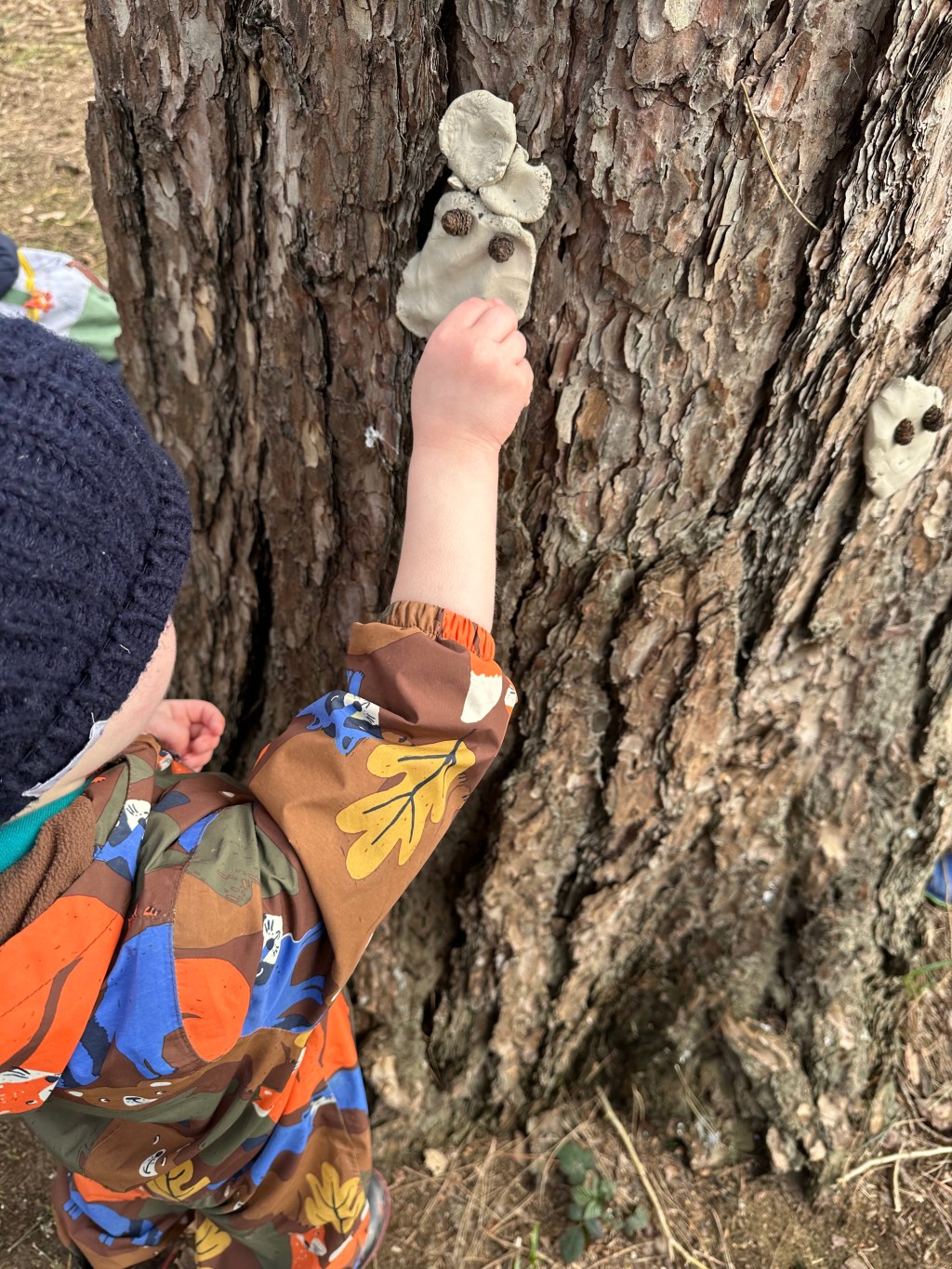
    Bring along some natural-toned playdough or forest clay and let imaginations run wild! Children can create faces on tree trunks using leaves, twigs, stones, acorns, and other natural treasures. Will it be a friendly forest spirit, a cheeky goblin, or a wise old woodland watcher?

    We’ve even made Gruffalo characters before — it’s a wonderful way to mix storytelling, fine motor skills, and sensory creativity!

    Top tip: Take photos of their creations to revisit and reflect later — especially if the weather changes them!


    3. Nature Potions

    Set up a little “potion station” using bowls, ladles, pestle and mortar, or even just open-ended containers. Encourage children to mix mud, leaves, petals, and water to create magical mixtures.

    Why it matters: This activity supports imaginative play, fine motor skills, and sensory exploration.


    4. Bird Nest Building

    Challenge children to build a nest using only natural materials — twigs, moss, grass, and leaves. Talk about where birds live, and what makes a good home. Compare your nest designs and see how well they hold an “egg” (a small stone or pinecone works well!).

    Learning link: This activity introduces early engineering, problem-solving, and empathy for animals.


     5. Listening Walk

    Slow things down with a mindful listening walk. Ask the children to close their eyes for a few seconds — what can they hear? Birds? Wind? Cracking twigs? Create a sound map by drawing or marking where each sound came from.

    This is a wonderful way to promote mindfulness, awareness, and calm.


     6. Campfire Snacks (With Safety!)

    If you have the training and setup for it, a small campfire can be an unforgettable part of Forest School. Try making chocolate baked banana, popping corn in foil, or even making dampers (twisty bread on a stick).

    REMEMBER — Always follow strict safety guidance, ratios, and permissions — and model respectful, responsible fire use.


     Forest School Is About Being, Not Just Doing

    Some of the most powerful moments in Forest School aren’t planned. They happen when a child crouches to watch an ant carry a leaf, or when they proudly balance on a fallen log for the first time. Let go of outcomes. Follow their lead. Nature is the teacher — we’re just there to walk beside them.

    Final Tip: Bring a journal or camera to document the wonder. The small moments — muddy smiles, a feather found, a whisper of “Look what I made!” — are worth remembering.

    Let’s keep nurturing a generation who loves the earth, plays with purpose, and grows with freedom. 

    Leave a comment

  • Calm Down Box/Basket

    Calm Down Box/Basket

    What is a Calm Down Basket/Box?

    We all experience moments when we feel stressed, overwhelmed or dysregulated – these feelings are completely normal, all be them unpleasant! A calm down box is a wonderful tool designed to help children (or even adults) manage their emotions, regulate their bodies and minds and build resilience in moments of stress.

    A calm down box is a special place that holds your child’s (or your own) favourite items, specifically chosen to aid in self-regulation. These items help to restore balance by grounding the senses – whether through touch, smell, sight, sound or practicing breathing techniques.

    The Golden Rules of a Calm Down Box:

    • Choose items that are liked and age-appropriate: Make sure the contents are things your child (or you) will enjoy using.
    • Avoid screen-time items: Calm down boxes should not include screens like iPads or gaming devices.
    • Encourage independent play: The purpose of a calm down box is to (eventually) help children self-regulate on their own, so it’s important that the contents promote independent interaction.
    • Model how to use it: If your child is new to using a calm down box, you may need to show them how to engage with the items inside, especially during moments of big emotions (some children will need a longer period of time co-regulating and it is important we support them, so they can eventually self-regulate).

    What to Include in a Calm Down Box:

    If you’re wondering what to add, consider items that encourage repetitive motions or sensory experiences, such as spinning, clicking or rolling. These activities can help children focus and calm their minds. Toys with different textures, sounds and scents can be particularly effective in distracting from overwhelming emotions, helping children refocus and regain a sense of calm.

    What is a Sensory Break?

    A sensory break is a short, intentional pause from regular activities to engage in calming sensory experiences. These breaks are not just for times of stress; they can also be used when a child is feeling calm or happy. The purpose is to teach children valuable self-regulation tools that they can later use during moments of frustration or upset.

    The Benefits of a Calm Down Box and Sensory Breaks:

    A calm down box and sensory breaks offer many benefits, such as:

    • Increased mindfulness: Helping children become more aware of their emotional and physical states.
    • Reduced stress and anxiety: Sensory activities can reduce the impact of stress and encourage relaxation.
    • Improved emotional regulation: Children learn to better manage their emotions, even in challenging situations.
    • Enhanced self-awareness: Through regular practice, children become more in tune with their emotions and how to manage them.

    When we engage with our senses, such as through touch or smell, we activate the parasympathetic nervous system (PNS) – the body’s natural calming response. This response counteracts the “fight or flight” instinct, reducing heart rate, blood pressure and muscle tension. Sensory breaks also help distract the brain from anxious thoughts, redirecting focus to more calming and restorative experiences.

    A Reminder:

    Younger children may need support and guidance from adults to effectively use their calm down boxes, especially during moments of strong emotions, distress, or dysregulation. It’s important to be patient, offer gentle guidance and make it a practice that encourages emotional growth and resilience.

    Leave a comment

    Pages: 1 2

  • Top Tips for Supporting Emotional Regulation

    Top Tips for Supporting Emotional Regulation

    1. Name Your Feelings
      Help children identify and express their emotions by using mirrors to explore facial expressions and discussing what different feelings look like. This builds emotional intelligence and awareness.
    2. Separate “I Am” from “I Feel”
      Encourage children to say “I feel angry” instead of “I am angry,” reminding them that emotions are temporary and don’t define who they are.
    3. Use Makaton
      Makaton sign language helps children express emotions. Even for those who usually have a good vocabulary, in moments of emotional distress and dysregulation, children can struggle to express themselves. This supports both emotional and verbal communication, when children don’t have or cant find the words.
    4. Read Books About Emotions
      Explore stories like The Colour Monster and The Lion Inside, using story props and puppets to dive deeper into characters’ feelings and situations.
    5. Calm Down Bottles & Basket
      Provide sensory bottles or a calming basket with emotion books, fidget toys, and other calming resources to help children de-escalate when feeling overwhelmed.
    6. Practice Dragon Breaths
      Teach mindful breathing with fun techniques like “Dragon Breaths” (deep breaths) or “Smell the Flowers, Blow Out the Candles” to calm the body and mind.
    7. Mindful Body Scan
      Encourage children to relax by tensing and releasing different body parts, helping them become more aware of their body and emotions.
    8. Daily Yoga
      Incorporate simple yoga poses to release pent-up emotions, reduce stress and boost emotional resilience.
    9. Music & Movement
      Use songs and physical activities (like jumping or running) to help children release energy and regulate their emotions in a fun, active way.
    10. Cooperative Games
      Promote self-regulation through games that encourage patience, turn-taking and impulse control – great for developing social-emotional skills.
    11. Sensory Play
      Offer a variety of sensory activities, from messy play to sensory tents, to help children connect with their bodies and explore emotions through their senses.
    12. Imaginative Play
      Encourage pretend play, allowing children to act out real-life scenarios and explore different emotions, which helps build empathy and emotional understanding.
    13. Singing
      Use songs to help children express and regulate their emotions. (Bonus – Singing also supports language development and memory).
    14. The Power of Play
      All types of play – whether physical, imaginative, or symbolic – are essential in building early self-regulation skills and supporting expression. Through play, children practice planning, problem-solving and emotional control.

    Supporting emotional regulation in children is a continuous, nurturing process that builds over time. By offering simple, effective strategies like these, we can help children develop the tools they need to understand and manage their feelings in healthy ways. Whether it’s through play, breathing exercises, or expressive activities, every moment is an opportunity to guide them towards emotional resilience.

    For more tips and ideas on fostering emotional growth, be sure to keep an eye on our other resources in the Top Tips category. Together, we can help our little ones grow into confident, self-aware individuals.

    Leave a comment

    Pages: 1 2