There’s something magical about the forest — the way the light dances through the trees, the crunch of leaves under little feet, and the freedom children feel when they’re surrounded by nature. Forest School isn’t just about being outside — it’s about being with the outdoors. It’s about curiosity, confidence, and connection.
Whether you’re running a Forest School session or just heading out to your local woods with little ones, here are some simple yet powerful activities to spark learning, laughter, and a love of the wild.
1. Stick Man Story Walk
Inspired by the beloved book Stick Man by Julia Donaldson, take a walk through the woods and encourage children to find their own “Stick Man.” Use sticks to retell the story, act out scenes, or make your own woodland puppet show.
Extension idea: Collect sticks of different lengths and sizes — can you measure them? Sort them? Build a den?
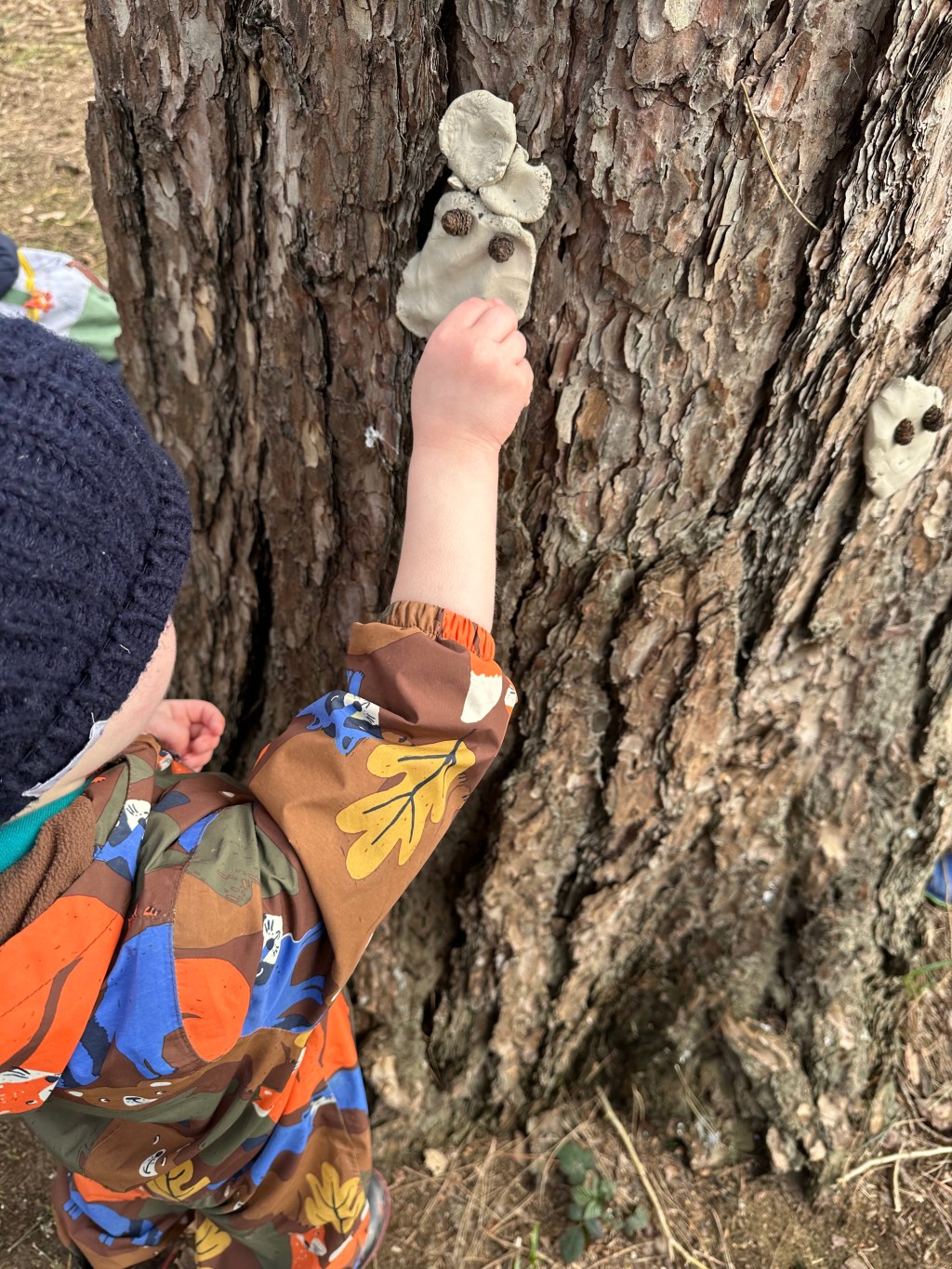
2. Playdough & Clay Tree Faces
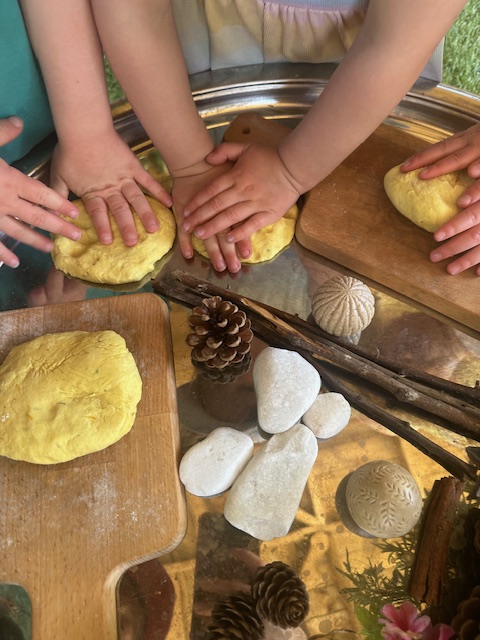
Bring along some natural-toned playdough or forest clay and let imaginations run wild! Children can create faces on tree trunks using leaves, twigs, stones, acorns, and other natural treasures. Will it be a friendly forest spirit, a cheeky goblin, or a wise old woodland watcher?
We’ve even made Gruffalo characters before — it’s a wonderful way to mix storytelling, fine motor skills, and sensory creativity!
Top tip: Take photos of their creations to revisit and reflect later — especially if the weather changes them!
3. Nature Potions
Set up a little “potion station” using bowls, ladles, pestle and mortar, or even just open-ended containers. Encourage children to mix mud, leaves, petals, and water to create magical mixtures.
Why it matters: This activity supports imaginative play, fine motor skills, and sensory exploration.
4. Bird Nest Building
Challenge children to build a nest using only natural materials — twigs, moss, grass, and leaves. Talk about where birds live, and what makes a good home. Compare your nest designs and see how well they hold an “egg” (a small stone or pinecone works well!).
Learning link: This activity introduces early engineering, problem-solving, and empathy for animals.
5. Listening Walk
Slow things down with a mindful listening walk. Ask the children to close their eyes for a few seconds — what can they hear? Birds? Wind? Cracking twigs? Create a sound map by drawing or marking where each sound came from.
This is a wonderful way to promote mindfulness, awareness, and calm.
6. Campfire Snacks (With Safety!)
If you have the training and setup for it, a small campfire can be an unforgettable part of Forest School. Try making chocolate baked banana, popping corn in foil, or even making dampers (twisty bread on a stick).
REMEMBER — Always follow strict safety guidance, ratios, and permissions — and model respectful, responsible fire use.
Forest School Is About Being, Not Just Doing
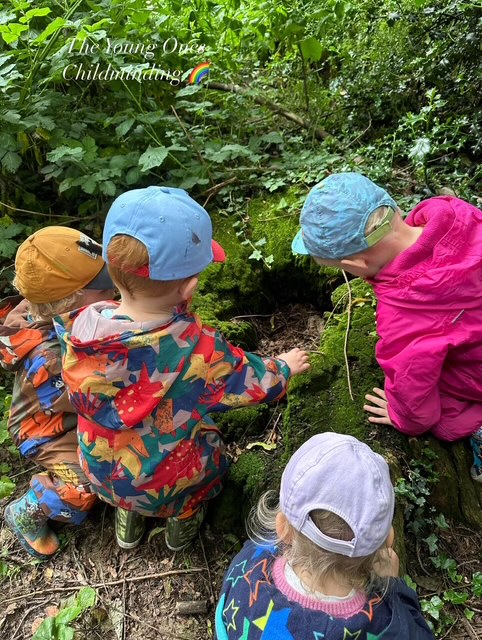
Some of the most powerful moments in Forest School aren’t planned. They happen when a child crouches to watch an ant carry a leaf, or when they proudly balance on a fallen log for the first time. Let go of outcomes. Follow their lead. Nature is the teacher — we’re just there to walk beside them.
Final Tip: Bring a journal or camera to document the wonder. The small moments — muddy smiles, a feather found, a whisper of “Look what I made!” — are worth remembering.
Let’s keep nurturing a generation who loves the earth, plays with purpose, and grows with freedom.

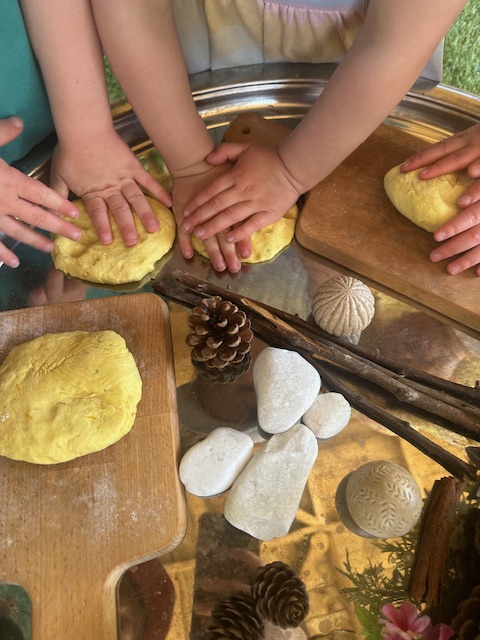


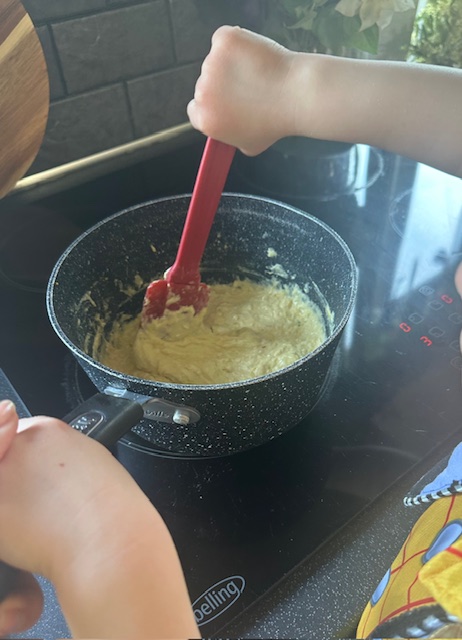
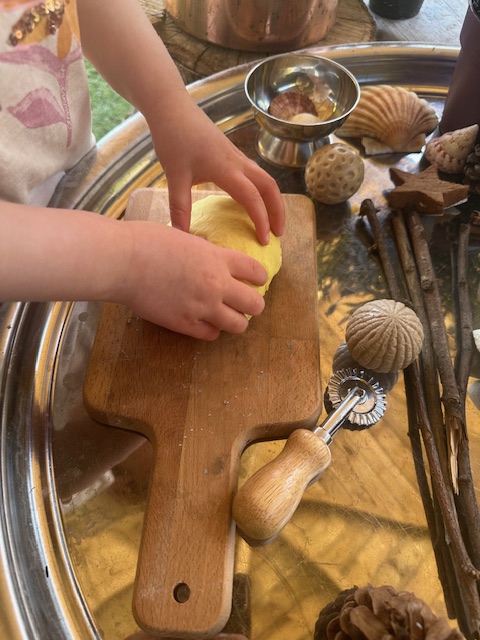
 Because the biggest memories are often made in the smallest, most natural moments.

 Guiding The Young Ones
Leave a comment