Tag: parenting

  • Let’s Talk About – Schematic Play

    Let’s Talk About – Schematic Play

    Understanding Schematic Play: Supporting Children’s Development Through Repeated Actions

    Watching children at play is truly fascinating! Some children seem to have a clear vision of what they want to achieve, while others may appear to be doing the same thing repeatedly, seemingly without an end goal. However, both types of play are an essential part of children’s learning journey.

    Children experience schemas of play as strong urges, which is why they can find it very difficult to stop doing something and in which they seem unable to control and compelled to complete. However, it is important that children are allowed to satisfy, channel and enhance these urges, to support and develop children’s thinking and understanding. When children are exploring their schematic play interests, they are usually highly engaged and absorbed in their task which can spark new ideas, consolidate learning and aid critical thinking skills. These “schemas” are not random; they reflect the child’s urge to understand and explore their world.

    What is Schematic Play?

    Schematic play refers to the repeated actions children engage in, which help them understand concepts like how things work, how objects interact, or the world around them. It can often be seen as children follow urges or patterns in their play, driven by their own curiosity and brain development. Each child may explore different schemas based on their interests, abilities, and developmental stage. Understanding these schemas and observing them in action allows adults – whether parents or educators – to better support children in their learning.

    Common Schemas in Early Years Play

    Here’s an overview of some key schemas and how you can support them in your setting:

    1. Transporting Schema

    Children who are exploring this schema love to move things from one place to another. You might see them filling bags, baskets, or pushing toy cars or prams around. This action helps them develop an understanding of distance, location, and object permanence. To support this schema, provide a variety of transportation tools like baskets, trolleys, trucks, and even wheelbarrows for outdoor play. Sand and water play with containers, funnels, and trays can also be great ways to explore this schema.

    2. Trajectory Schema

    This schema is often one of the earliest observed. Children are fascinated by how things move, whether it’s dropping objects, rolling balls, or simply watching things fly through the air. This schema supports their understanding of movement, force, and cause and effect. To support this, provide water or sand play with funnels and pipes, ball play, or simple experiments involving rolling and dropping objects. Streamers, bubbles, and blowing activities can also spark interest.

    3. Enveloping Schema

    When children are exploring the enveloping schema, they are interested in whether something exists when it’s hidden. This often involves wrapping, covering, or concealing objects. You might see children wrapping themselves in blankets or exploring materials like scarves or hats. To support this, offer materials like dressing-up clothes, blankets for building dens, or nesting toys such as Russian dolls. Activities like wrapping presents or creating dens will help children explore this schema.

    4. Enclosing Schema

    This schema is focused on containing or enclosing objects within boundaries. Children will enjoy placing objects inside boxes, pens, or other enclosures. It’s different from the enveloping schema in that it focuses on containment rather than hiding or wrapping. To support this, provide construction materials like blocks, fences, and track sets, or even simple creative materials for making enclosures. You might also provide materials to create borders or walls for their structures.

    5. Transforming Schema

    Children who explore the transforming schema are interested in how things change, whether in appearance, shape, or consistency. You might observe them mixing paints, changing materials, or disassembling objects. They are experimenting with cause and effect. To support this schema, offer materials like playdough, mud, sand, or gloop. Scientific experiments like mixing vinegar and baking powder can also fascinate children with this schema.

    6. Rotational Schema

    Children interested in the rotational schema are drawn to objects that spin, twist, or turn. This could include exploring wheels, spinning tops, or even spinning themselves around. This is a great way for children to develop coordination, balance, and spatial awareness. To support rotational play, provide toys with spinning components, such as windmills or cogs. You can also take children outside to roll down a hill or visit a roundabout at the park.

    7. Positioning Schema

    Positioning involves arranging, ordering, and lining things up. Children love to create patterns or group objects in a specific way. This schema is crucial for laying the groundwork for future mathematical learning. It helps children explore classification, symmetry, and sequencing. You can support this schema by providing loose parts like sticks, stones, or wooden pieces for creating patterns, as well as toys for arranging and organizing (like animals, cars, or small figures).

    8. Connecting Schema

    The connecting schema is all about linking objects together. Children may enjoy building train tracks, connecting Lego pieces, or threading beads. This schema helps children understand relationships, force, and the concept of joining and separating. To support this schema, provide construction toys, string, glue, and other materials for creating connections, such as threading beads or making junk models.

    9. Orientation Schema

    Children exploring the orientation schema are keen to understand how objects look from different perspectives. They may enjoy activities like lying on the floor or climbing to see things from above. This schema helps children develop physical confidence and spatial awareness. Encourage this schema by providing space for climbing, rolling, and swinging. Mirrors, magnifying glasses, and yoga activities can further support their exploration.

    How to Support Schematic Play

    When supporting schematic play, it’s important to observe the child’s interest and provide resources that align with their schema. Ask yourself:

    • What action is the child carrying out?
    • Have I seen the child doing this somewhere else?
    • What resources or activities could enhance or extend this play?

    Encourage their exploration by introducing new materials, tools, or challenges related to their interests. Allowing children to follow their own urges helps them learn at their own pace and strengthens their problem-solving and critical thinking skills.

    Conclusion

    Schematic play is an essential part of children’s learning and development. By understanding the various schemas, you can create an environment that fosters curiosity, engagement and deep thinking. The key is to observe children closely, identify their schema and provide resources and opportunities for further exploration. This will not only satisfy their current interests but will also help them build the skills they need for future learning.


    Leave a comment

    Pages: 1 2

  • A Poem for My First Child

    A Poem for My First Child

    Before there was you,

    Life had less stress.

    No constant worries,

    No cleaning your mess.

    Before there was you,

    I could have a lie in.

    Not up at dawn,

    Taking nappies to the bin.

    Before there was you,

    I could shower alone.

    Stay out til late,

    Spend hours on the phone.

    Before there was you,

    I could choose my tv.

    Instead I watch Mr tumble,

    Each day on repeat.

    Before there was you,

    I could get ready at leisure.

    But my love for you now-

    I simply can’t measure.

    My life has changed completely,

    But this much is true.

    I never knew pure love,

    Until I had you.

    Suddenly you’re not a baby,

    And I’m sat asking why.

    And how we take for granted,

    How fast years go by.

    So I will treasure each second,

    Each sweet memory,

    Because always in my heart,

    You’ll be my baby.

    ©️ – Poem by Georgina Young – Guiding The Young Ones

    Leave a comment

    Pages: 1 2

  • Easy Ideas for Supporting Babies’ Development

    Easy Ideas for Supporting Babies’ Development

    Simple Play for Big Development

    Looking for easy, engaging ideas to support your baby’s development? These sensory-rich, baby-safe activities don’t require fancy equipment – just a bit of imagination and they’re all perfect for bonding and learning through play. Each one also supports key areas of your baby’s early development.

    1. Sensory Bottles

    Fill clear plastic bottles with materials like coloured water and oil, rice and beads or natural treasures. Make sure lids are tightly sealed.

    🧠 Supports:

    • Sensory development (visual and auditory stimulation)
    • Physical development (grasping, shaking, tummy time interaction)
    • Cognitive development (tracking, cause and effect)

    2. Tummy Time Treasure Mat

    Place safe textured items (like ribbons, foil (foil blankets from first aid kits work great), soft fabric etc) under a clear mat or a taped-down zip-lock bag for babies to look at and reach for during tummy time.

    🧠 Supports:

    • Physical development (neck and upper body strength)
    • Sensory development (touch, sight)
    • Personal, social & emotional (encouragement and praise during play)

    3. Bubble Fun

    Blow bubbles while your baby watches and reaches for them. Try singing while they float down for added fun!

    🧠 Supports:

    • Communication & language (listening and responding to singing or speech)
    • Physical development (hand-eye coordination, tracking movement)
    • Cognitive development (understanding movement and patterns)

    4. High-Contrast Picture Time

    Show black and white or high-contrast images in books or homemade cards. Let babies look, reach and react.

    🧠 Supports:

    • Visual development (tracking, contrast recognition)
    • Cognitive development (memory, attention span)
    • Communication & language (early sound play as you describe what they see)

    5. Sing & Sign Sessions

    Use simple songs and nursery rhymes alongside Makaton or hand gestures to support communication from an early age.

    🧠 Supports:

    • Communication & language (early vocabulary, non-verbal communication)
    • Personal, social & emotional (bonding, responsive interaction)
    • Expressive arts & design (music and rhythm appreciation)

    6. Treasure Baskets (Supervised)

    Offer a shallow basket with safe household objects of different materials (e.g. wooden spoon, sponge, ribbon, silicone whisk) for your baby to explore.

    🧠 Supports:

    • Sensory development (texture, shape, and sound exploration)
    • Physical development (reaching, grasping, fine motor skills)
    • Cognitive development (exploring through trial and error)

    7. Peek-a-Boo Play

    Play peek-a-boo using your hands, a scarf, or a soft book—babies love the surprise and repetition!

    🧠 Supports:

    • Cognitive development (object permanence)
    • Personal, social & emotional (bonding, emotional responses)
    • Communication & language (responsive interactions, anticipation)

    Remember: Simple, responsive play is powerful. These moments of connection support not just your baby’s development, but your relationship too.

    Leave a comment

    Pages: 1 2

  • Family Fun Ideas – Easy Activities for All Ages

    Family Fun Ideas – Easy Activities for All Ages

    Looking for some simple but engaging activities to enjoy as a family? Whether you’re stuck indoors, planning a cosy weekend or just want to spend quality time together, these ideas are perfect for all ages – from babies to older children. Most require minimal setup, and lots use things you probably already have at home. Let the fun begin!

    Gloop

    A messy one – but oh so fun! Simply mix cornflour and water until you reach your desired consistency. Gloop is fascinating for children to explore as it acts like both a liquid and a solid. Add a few drops of food colouring or a splash of scent to make it even more exciting. It’s also taste-safe, making it great for babies as well as older kids.

    Playdough

    Playdough is a classic favourite for a reason – children of all ages love it! If you don’t have any to hand, there are lots of easy homemade recipes online. Older children might enjoy making salt dough to create keepsakes or decorations that you can treasure forever.

    Craft Time

    Break out the paint, crayons or glue sticks! Whether your child paints a masterpiece or gets stuck into some junk modelling using recycling materials, crafts are brilliant for creativity and self-expression. Try giving a theme to spark ideas – Dino land, under the sea or superheroes, for example. You can even get inventive and make mud paint outdoors or paint made from spices.

    Sharing Stories

    Snuggle up with your favourite books or make up your own amazing tales together. Older children can try writing and illustrating their own stories, while younger ones can tell stories using drawings. Create story baskets or bags with props or bring stories to life using puppets and toys.

    Imaginative Play

    Set up a little scene using favourite toys – anything from a princess tea party to a doctor’s surgery or a teddy bear café! Role-play is a wonderful way to encourage creativity, social skills and independent play. The Young Ones often runs a busy paediatric clinic in our living room and my daughter loves playing hairdressers!

    Build a Den (inside or outdoors)

    Grab blankets, cushions, and chairs to build the ultimate indoor den. Dens are quick to make and provide the perfect cosy space for imaginative play, reading or just cuddling up – especially lovely if someone’s feeling under the weather.

    Water Play

    Fill a washing-up bowl or large tub with warm water and let the fun begin! Add spoons, jugs, toy animals or even baby dolls for washing. Great for garden/outdoor play or even indoors – though just be sure to pop down some towels underneath – it can get splashy! Water play is brilliant for toddlers and older kids alike.

    Shaving Foam Fun

    A brilliant sensory experience – just squirt some shaving foam or mouldable soap foam onto a tray or table and let them dive in with their hands. You can add colours or use it to practise mark-making with fingers or tools. You can also mix shaving foam with sand, to make the ultimate “cement” and add blocks – perfect for any budding construction workers

    Bring the Slide Inside

    If you have a small indoor/outdoor slide or tunnel, bring it inside for a change of scenery. It can feel like a whole new adventure and is great for toddlers on rainy days, if you don’t feel like venturing out. Just give it a good clean and make sure there’s a safe space around it.

    Fresh Air Adventures

    Head outside into the garden or local green space for some fresh air. Set up a mini obstacle course using cones, ball or whatever you have to hand. You could also go on a nature hunt, collect natural objects, or follow a colour checklist to spot things around you. If you’re local, we have the amazing countryside, Carlton towers and other lovely spots like Barlow Common or Brayton Barf are perfect!

    Puzzles & Board Games

    A great option for quiet bonding time. Pull out any old puzzles or board games, or make your own games up! Try charades, Simon Says, or even a family quiz night. These are perfect for rainy afternoons or winding down before bed.

    Baby Sensory Bottles

    Fill clear plastic bottles with different materials – like coloured water with oil, rice and beads or pom-poms and beads. They are great for natural treasures too, such as acorns and seeds. Secure the lids tightly (hot glue works well) and let babies shake, roll and explore. These are great for visual and auditory stimulation!

    Tummy Time Treasure Mat

    Pop textured items like fabric scraps, ribbons or small sealed sensory bags under a clear plastic mat or zip-lock bag taped to the floor. It adds interest during tummy time and encourages babies to reach and explore.

    Science Fun

    A simple handwashing experiment can double as a lesson in germs! Fill a bowl with water and grind in some pepper—this represents the “germs.” Have your child dip a clean finger in (the pepper sticks), then dip again after coating their finger in soap… watch the pepper scatter!

    Cooking & Baking

    Get little hands involved in the kitchen. From helping with dinner to baking sweet treats, children love being part of the process. It also teaches valuable life skills. Let older kids plan a meal or decorate their own cupcakes – it’s a great mix of fun and learning!

    Music & Movement

    Turn up the music and have a living room disco! Dancing is fantastic for both physical and emotional wellbeing. You could also try simple yoga stretches or movement games like “copy me” to get everyone involved and active.

    Bubble Fun

    All babies and young children love bubbles! Blow bubbles and watch them float down – great for tracking, visual stimulation and a bit of giggly fun. Try singing a little rhyme as the bubbles float to make it even more engaging for babies or challenge children to blow and catch their own bubbles.

    Movie Nights

    We love a good family movie night! Let the kids choose the film, make some popcorn, and cosy up with blankets. You can even theme the night with snacks or dress-ups—whatever makes it feel special.

    Final Thoughts

    Family fun doesn’t have to be expensive or complicated. With a little creativity and a few household items, you can create lasting memories and give your children rich experiences that support their development and bring you closer together.

    Got a favourite activity we missed? Share it with us in the comments or on social media – we’d love to see your ideas and creations! 💬

    Leave a comment

    Pages: 1 2

  • Feeding Your Baby – Breast, Bottle & Beyond

    Feeding Your Baby – Breast, Bottle & Beyond

    One of the first questions new parents get asked is: “How’s the feeding going?”
    But the real answer?
    It’s often a lot more complicated than people expect – and it’s not talked about enough!

    The Early Days: Feeding Isn’t Always Straightforward

    Whether you planned to breastfeed, bottle-feed, or weren’t sure yet, it’s important to know this: feeding isn’t always easy. There’s a lot of pressure to “get it right” straight away, but the truth is – many families face challenges, and often in silence.

    When my eldest was born, I struggled. She wouldn’t latch, and I wasn’t given the support I needed. I ended up expressing for six months, and honestly? It was hard. Exhausting. Isolating. Relentless. But I did it because I was doing my best – and so are you.

    There are so many reasons breastfeeding might not go to plan – tongue tie, low milk supply, oversupply, pain, infection, lack of support, exhaustion, or simply because it doesn’t feel right for you.

    And if you choose formula, or decide to switch to it later? There is no shame. Fed is best. Your baby needs nourishment, but you need to be well too – physically and mentally.

    You’re not failing. You’re making the best choices with the information and support you have.

    When Something Feels “Off”

    Sometimes, feeding issues aren’t about the method – they’re about how your baby responds. Colic, reflux, allergies, dairy intolerance – all of these can turn feeding into a battle and make parents feel lost, dismissed or even doubted.

    It’s heart-breaking when your baby is uncomfortable and this can be made even worse when your concerns are brushed aside.

    But trust your instincts. You know your baby best. If you feel something isn’t right – keep pushing. Ask questions. Ask again. You deserve to be heard and your baby deserves to be comfortable.

    It’s okay to advocate for more help, seek a second opinion or ask for referrals to specialists like lactation consultants, dietitians, or paediatricians. If you’re struggling, which so many do when their child is not feeling well – remember, there is no shame in asking for help. Sometimes it can be hard to advocate for yourself and your child, especially when you’re sleep deprived – please know you can always reach out to family, friends or even ask for a chaperone when attending medical appointments.

    Looking After You Too

    Feeding, no matter how you do it, is a full-time job in those early months. It’s not just physical – it’s emotional. If feeding is taking a toll on your wellbeing, it’s okay to reassess. Changing your approach doesn’t mean giving up; it means tuning in to what works best for you and your baby.

    Your wellbeing matters. It always has.

    Solid Starts: It’s Not a Race

    Eventually, your baby will show signs of being ready for solid food – usually around six months. This part can feel exciting, but also overwhelming.

    There’s no one-size-fits-all here, either.

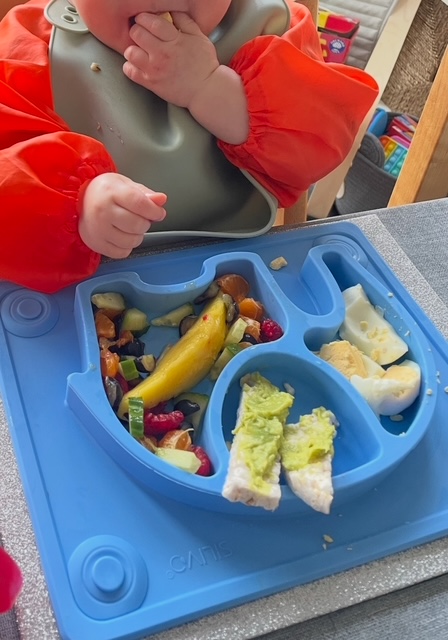
    Some families choose purees. Some go for baby-led weaning (BLW), where babies explore soft, safe finger foods from the start. Some do a mixture of both. I know for many, BLW can feel scary at first – especially with the fear of choking. But learning the difference between gagging and choking is key.

    A helpful rhyme to remember is:
    “Loud and red, let them go ahead. Quiet and blue, they need help from you.”

    For added reassurance, many families now choose to have a LifeVac at home – a non-invasive, emergency choking aid, that has already saved the lives of nearly 4000 people. Thanks to the incredible work of the Oliver Steeper Foundation, awareness of choking safety is growing and tools like LifeVac can offer peace of mind. They’re not a replacement for first aid, but a backup when it’s most needed.

    You’re Doing Great

    Feeding isn’t always the picture-perfect moment we imagine. Sometimes it’s messy, emotional, exhausting, it can even be distressing. But it’s also loving. It’s showing up, hour after hour. It’s learning, adjusting and caring with your whole heart.

    Whatever feeding looks like for you – bottles, breast, both, purees, BLW, allergies, routines or chaos – please know this:

    You are doing an amazing job!

    Leave a comment

    Pages: 1 2

  • The First Days: What No One Tells You

    The First Days: What No One Tells You

    You’ve spent months preparing, reading, waiting. Then suddenly, you’re home – with your baby – and everything feels a little surreal. The moment you’ve been anticipating is finally here… but instead of feeling serene or “ready,” you might find yourself staring blankly, baby in arms, wondering: now what?

    No one really tells you just how disorienting those first few days can be.

    The Emotional Avalanche

    The first days are raw. They’re full of contradictions – love so huge it hurts, tears you don’t understand and a fog of exhaustion that makes the smallest things feel impossible. Your hormones are crashing and shifting. Your body is recovering from something monumental. Whether you’ve had a straightforward birth or, like me, needed emergency surgery and intensive postnatal care, your body has been through something big. And your heart is trying to keep up.

    After my youngest was born, I had to be separated from my eldest for a week while I recovered – a week that felt like a lifetime. I was in high dependency care, battling complications and relying on intravenous, topical and oral antibiotics for 12 weeks. It was a frightening time, physically and emotionally. I wasn’t depressed, but I cried – a lot, in fact, if we are being honest, I cried a lot after having my eldest and that was a much smoother journey… Great, heaving sobs that came from somewhere deep inside. My body was healing, my hormones were shifting, and my heart was holding more than it ever had before.

    And that’s the thing: you don’t have to be diagnosed with postnatal depression to struggle…. Sometimes, this time is just hard. That’s okay.

    Sleep Deprivation Is No Joke

    Let’s talk about the tiredness. The kind of tiredness that makes the hours blur, the tears fall faster and the world feel like it’s spinning just a little too fast. The tiredness that makes choosing what to eat feel like a strategic mission and makes you weep because you dropped a spoon.

    When you’re this sleep-deprived, everything feels bigger. Feeding challenges, a crying baby, a messy kitchen – these things can feel overwhelming not because you’re failing, but because you’re utterly depleted.

    Your Body: A New Story

    This part can be really tough, and it isn’t talked about enough. After birth, your body might feel like a stranger’s. It’s sore, tender, changed. Maybe you’re stitched, bandaged, leaking, or scarred. Maybe you’re still in shock. Even without complications, your body has grown and birthed a human – that is enormous!

    There’s sometimes an unnecessary pressure to “bounce back” or be grateful no matter what but it’s okay if you’re grieving the old version of yourself a little. It doesn’t make you any less strong, loving, or grateful.

    It’s Okay to Ask for Help

    You don’t need to do this alone. And even if you can, you shouldn’t have to.

    Help doesn’t always look like someone swooping in and taking over. It can be someone holding the baby while you shower, someone cooking a meal, someone sitting with you and letting you cry. I’ve been so fortunate to have incredible support – my Mum, Grandma, Auntie, and Sister, all stepping in before I even asked… Meals cooked, injections administered, babies rocked, messes cleaned. No task too big, no job too messy.

    Not everyone has a built-in village like that – and even when people do care, they might not know when or how to step in. People worry about interfering. Sometimes, you’ll need to ask. That’s not weakness – that’s wisdom.

    Routines Take Time

    Whether this is your first baby or your fourth, each addition changes the dynamic. Finding a rhythm is hard. It takes time and patience and often a bit of trial and error. Let go of the pressure to “have it all together” by day three. You’re all learning each other, and that’s a process, not a performance.

    You’re Doing Better Than You Think

    If you feel like you’re floundering – you’re not alone. This is a season of wild transformation. You are healing, learning, and loving in ways you never have before.

    There’s no perfect start. No perfect Mum (or Dad). Just you – showing up, loving hard and finding your way.

    And you know what? That’s more than enough.

    Leave a comment

    Pages: 1 2

  • Top Tips for Supporting Emotional Regulation

    Top Tips for Supporting Emotional Regulation

    1. Name Your Feelings
      Help children identify and express their emotions by using mirrors to explore facial expressions and discussing what different feelings look like. This builds emotional intelligence and awareness.
    2. Separate “I Am” from “I Feel”
      Encourage children to say “I feel angry” instead of “I am angry,” reminding them that emotions are temporary and don’t define who they are.
    3. Use Makaton
      Makaton sign language helps children express emotions. Even for those who usually have a good vocabulary, in moments of emotional distress and dysregulation, children can struggle to express themselves. This supports both emotional and verbal communication, when children don’t have or cant find the words.
    4. Read Books About Emotions
      Explore stories like The Colour Monster and The Lion Inside, using story props and puppets to dive deeper into characters’ feelings and situations.
    5. Calm Down Bottles & Basket
      Provide sensory bottles or a calming basket with emotion books, fidget toys, and other calming resources to help children de-escalate when feeling overwhelmed.
    6. Practice Dragon Breaths
      Teach mindful breathing with fun techniques like “Dragon Breaths” (deep breaths) or “Smell the Flowers, Blow Out the Candles” to calm the body and mind.
    7. Mindful Body Scan
      Encourage children to relax by tensing and releasing different body parts, helping them become more aware of their body and emotions.
    8. Daily Yoga
      Incorporate simple yoga poses to release pent-up emotions, reduce stress and boost emotional resilience.
    9. Music & Movement
      Use songs and physical activities (like jumping or running) to help children release energy and regulate their emotions in a fun, active way.
    10. Cooperative Games
      Promote self-regulation through games that encourage patience, turn-taking and impulse control – great for developing social-emotional skills.
    11. Sensory Play
      Offer a variety of sensory activities, from messy play to sensory tents, to help children connect with their bodies and explore emotions through their senses.
    12. Imaginative Play
      Encourage pretend play, allowing children to act out real-life scenarios and explore different emotions, which helps build empathy and emotional understanding.
    13. Singing
      Use songs to help children express and regulate their emotions. (Bonus – Singing also supports language development and memory).
    14. The Power of Play
      All types of play – whether physical, imaginative, or symbolic – are essential in building early self-regulation skills and supporting expression. Through play, children practice planning, problem-solving and emotional control.

    Supporting emotional regulation in children is a continuous, nurturing process that builds over time. By offering simple, effective strategies like these, we can help children develop the tools they need to understand and manage their feelings in healthy ways. Whether it’s through play, breathing exercises, or expressive activities, every moment is an opportunity to guide them towards emotional resilience.

    For more tips and ideas on fostering emotional growth, be sure to keep an eye on our other resources in the Top Tips category. Together, we can help our little ones grow into confident, self-aware individuals.

    Leave a comment

    Pages: 1 2

  • Let’s Talk about – Self regulation and emotional resilience 

    Let’s Talk about – Self regulation and emotional resilience 

    Supporting Young Children in Developing Emotional Regulation

    Emotional regulation isn’t a skill we’re born with—it’s something we learn over time. In the early years, children’s moods can swing and change massively. Because of this, helping each child learn to self-regulate across a wide range of emotions is one of our most important responsibilities as educators, caregivers or parents.

    The foundations of emotional and cognitive self-regulation are deeply interconnected in the early years and both are essential for behavioural regulation. For young children, this learning process begins with co-regulation—a supportive partnership between child and adult that has both emotional and cognitive aspects.

    Emotionally, co-regulation involves adults modelling calming strategies, naming and talking about feelings and introducing ways to manage them. This helps children begin to recognise their own emotional states and builds their understanding of how to reduce or cope with intense emotions.

    Cognitively, adults can scaffold self-regulation by talking with children about their thinking and learning – helping them pause, reflect and become aware of their thought processes. This early support helps build skills like impulse control, attention, and flexible thinking. It’s also important that adults can model their own thinking processes such as; “I feel sad because” and then what they can do to help themselves “I am going to go for a run because that helps me feel better”, allowing children opportunities to see positive reactions to negative feelings.

    When emotions run very high, they can interfere with a child’s ability to use these cognitive tools. A child overwhelmed by strong feelings may struggle to focus, regulate impulses or think clearly. This is because heightened emotional arousal can overpower the brain’s capacity for logical thought and problem-solving. In these moments, emotional co-regulation must come first – supporting the child in calming down – before they’re ready to reflect or respond thoughtfully to a situation.

    Key Strategies for Co-Regulation

    Researchers have identified three foundational strategies that support effective co-regulation in early childhood. These approaches work together to create the conditions in which children can begin developing their own self-regulation skills.

    1. Positive Relationships
    At the heart of co-regulation is a warm, responsive relationship. When children feel respected, comforted and supported – especially during times of stress – they are more likely to feel safe and understood. Knowing that a trusted adult is consistently there for them builds the emotional security needed to begin regulating their feelings and behaviours.

    2. Enabling Environments
    Children thrive in environments that feel both physically and emotionally safe. A predictable, well-structured space helps reduce unnecessary stress and provides the consistency that young children need. These environments offer space to explore, take risks and try out self-regulation strategies without fear of harsh consequences or confusion.

    3. Learning and Development
    Self-regulation can be taught and strengthened over time. Adults play a key role by modelling calm behaviour, suggesting practical strategies and offering children regular opportunities to practice these skills. Through gentle guidance and scaffolding, children gradually become more confident and capable in managing their emotions, attention and behaviours.

    In Summary

    Supporting emotional regulation in young children is not only about responding to moments of emotional intensity, but also about laying a strong foundation through relationships, environments and daily learning experiences. With consistent, compassionate support, children begin to build the lifelong skills they need to understand, express, and manage their emotions in positive and healthy ways.

    If you’re looking for practical ideas to get started, be sure to check out our Top Tips category – where I have shared simple, effective ways to support emotional regulation every day.

    Leave a comment

    Pages: 1 2

  • Let’s talk about – The benefits of learning through nature in Early Years

    Let’s talk about – The benefits of learning through nature in Early Years

    All children are born with a natural fascination for the world around them. Our role, as early years practitioners, educators and even parents and family units, is to spark and nurture that curiosity, guiding them to explore and learn more about nature. With the Department for Education and the UK government pushing for more conscious sustainability practices, and as the early years sector sees a greater emphasis on nature-based play, it’s vital that practitioners and entire settings understand both the reasoning behind this movement and, most importantly, the incredible benefits nature-based learning has on young children.

    It’s proven that nature plays a crucial role in early years development, with countless benefits for every child’s physical, cognitive, social, and emotional growth. In fact, it’s becoming widely recognised that children should be spending at least three hours of outdoor free play each day. Yet, a recent study revealed that most children spend only around 4-7 minutes outdoors each day! This statistic is alarming, but we have the power to change this and provide young children with the opportunities they need to thrive! All children, regardless of the setting, benefit from being immersed in nature – both through outdoor play and by bringing elements of nature into the indoor environment.

    The Benefits of Nature-Based Learning

    Nature-based learning supports children’s development in a meaningful and holistic way. By allowing children to engage in free play, investigate and connect with the natural world, they’re given opportunities to develop a sense of awe and wonder, spark curiosity and build a lasting appreciation for the environment. Nature is a rich sensory playground that stimulates vocabulary development, language skills and cognitive growth. At the same time, it helps children develop self-awareness, confidence and independence – all while reducing stress and anxiety in both children and adults… This means that nature play benefits not only the children but also the educators and caregivers who engage in it.

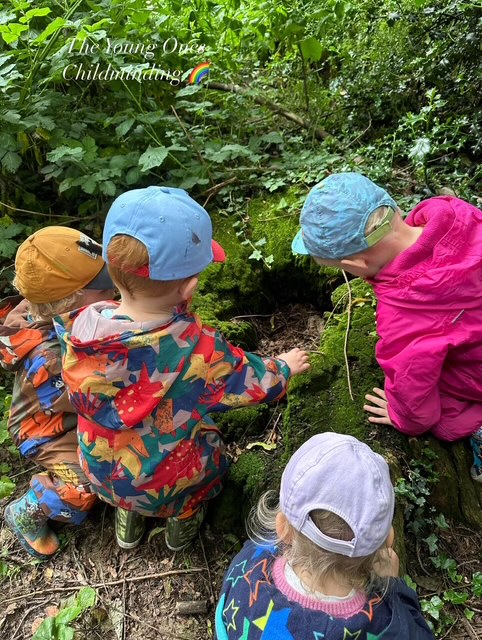
    Learning through nature can take place both outdoors and indoors. By incorporating natural resources, loose parts and nature-inspired materials into the learning environment, we encourage children to connect with the world around them. One of my favourite indoor activities with the children is exploring mini-beasts and animal lifecycles. We can create transient art using loose parts, make bugs out of playdough and research various types of insects. These activities can easily be extended and explored outdoors – whether it’s going on a mini-beast hunt with magnifying glasses or visiting a pond to observe frog lifecycles firsthand. The possibilities for nature-inspired learning are endless!

    Physical, Emotional, and Social Benefits

    Being outdoors also provides children with more opportunities to explore physical experiences, engage in gross motor activities and take part in ‘risky play’. These experiences help foster overall development, promote healthy lifestyles and even boost immune systems. There are so many ways to take learning outdoors and integrate nature into the pedagogies and curriculums of early years settings. Nature play can be introduced from the very beginning and doesn’t have to be complicated. Simple activities like creating nature treasure baskets filled with natural resources, hanging natural objects for visual stimuli or simply taking babies and young children outdoors to feel the grass beneath their toes all help to engage them with the natural world.

    Introducing nature play from a young age lays the foundation for positive environmental awareness and stewardship. It nurtures a love for nature that will help children develop a sense of responsibility for the planet and future sustainability.

    A Call to Action

    So, whether you’re taking babies outdoors to experience the grass between their toes or going on a mini-beast adventures with older children, every moment spent in nature is an opportunity for growth. Let’s embrace the beauty and potential of nature-based learning to nurture the next generation of explorers, stewards and environmental advocates.

    Leave a comment

    Pages: 1 2

  • Let’s talk about – ‘Risky Play’ and its Benefits

    Let’s talk about – ‘Risky Play’ and its Benefits

    Understanding Risky Play: Why It’s Important for Children’s Development

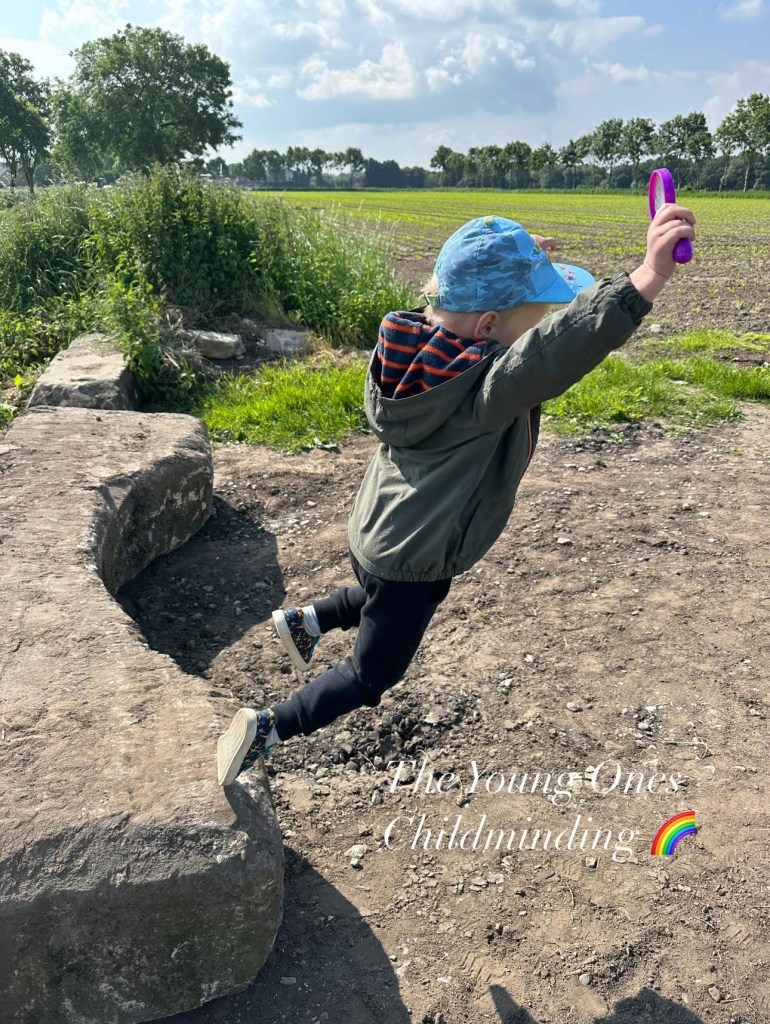
    There are many misconceptions around ‘risky play’ and what exactly it involves. At its core, risky play refers to activities where children intentionally seek out or engage in elements of risk or danger. These risks often include exploring heights, speed, impact, using tools, engaging with potentially risky elements (like water), or simply playing independently – often out of sight.

    While it may seem counterintuitive, allowing children to engage in risky play can actually be incredibly beneficial for their development. It gives them the chance to test their limits in a controlled environment. I completely understand that it can feel challenging to let children experience risk. Our natural instinct as caregivers and early years professionals is to minimise risk to protect our children, but it’s important to remember that not all risk equates to danger—there are many valuable lessons children can learn from taking calculated risks!

    The Benefits of Risky Play

    One of the key benefits of risky play is that it helps children develop essential life skills such as problem solving, decision making, risk assessment, and physical coordination. When children engage in activities that require them to think critically and assess potential dangers, they build resilience and learn how to make thoughtful decisions.

    Risky play also sparks curiosity, acting as a strong motivator for learning. It encourages children to investigate the unfamiliar, supporting their natural fascination to explore, discover and gain confidence. This, in turn, boosts their self-awareness, self-esteem and their belief in their own abilities.

    Additionally, risky play provides valuable experiences for brain development, cognitive growth, and emotional well-being. When children participate in these activities, they build essential motivation skills like perseverance and concentration. Encouraging children to push beyond their comfort zones helps them develop the ability to keep trying until they succeed – building both emotional resilience and critical self-regulation skills.

    Balancing Risk and Safety

    However, just like adults, children have varying levels of comfort when it comes to risk. Every child has their own pace and preferences, and it’s crucial to tailor risky play opportunities to meet each child’s individual needs and abilities. While it’s important to protect children from serious harm and injury, we must also avoid creating a completely risk-free environment. Children need opportunities to experience and assess manageable risks in order to develop self-protective skills that will serve them for life.

    Leave a comment

    Pages: 1 2