
Understanding Risky Play: Why It’s Important for Children’s Development
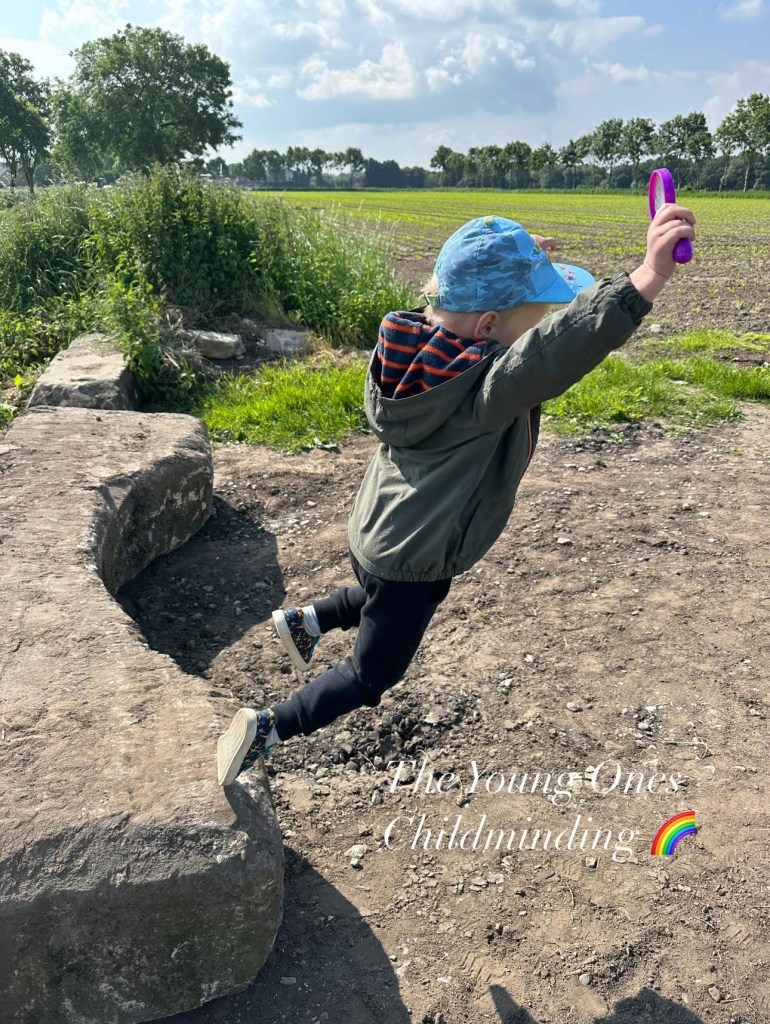
There are many misconceptions around ‘risky play’ and what exactly it involves. At its core, risky play refers to activities where children intentionally seek out or engage in elements of risk or danger. These risks often include exploring heights, speed, impact, using tools, engaging with potentially risky elements (like water), or simply playing independently – often out of sight.
While it may seem counterintuitive, allowing children to engage in risky play can actually be incredibly beneficial for their development. It gives them the chance to test their limits in a controlled environment. I completely understand that it can feel challenging to let children experience risk. Our natural instinct as caregivers and early years professionals is to minimise risk to protect our children, but it’s important to remember that not all risk equates to danger—there are many valuable lessons children can learn from taking calculated risks!
The Benefits of Risky Play
One of the key benefits of risky play is that it helps children develop essential life skills such as problem solving, decision making, risk assessment, and physical coordination. When children engage in activities that require them to think critically and assess potential dangers, they build resilience and learn how to make thoughtful decisions.
Risky play also sparks curiosity, acting as a strong motivator for learning. It encourages children to investigate the unfamiliar, supporting their natural fascination to explore, discover and gain confidence. This, in turn, boosts their self-awareness, self-esteem and their belief in their own abilities.
Additionally, risky play provides valuable experiences for brain development, cognitive growth, and emotional well-being. When children participate in these activities, they build essential motivation skills like perseverance and concentration. Encouraging children to push beyond their comfort zones helps them develop the ability to keep trying until they succeed – building both emotional resilience and critical self-regulation skills.
Balancing Risk and Safety
However, just like adults, children have varying levels of comfort when it comes to risk. Every child has their own pace and preferences, and it’s crucial to tailor risky play opportunities to meet each child’s individual needs and abilities. While it’s important to protect children from serious harm and injury, we must also avoid creating a completely risk-free environment. Children need opportunities to experience and assess manageable risks in order to develop self-protective skills that will serve them for life.


Leave a Reply