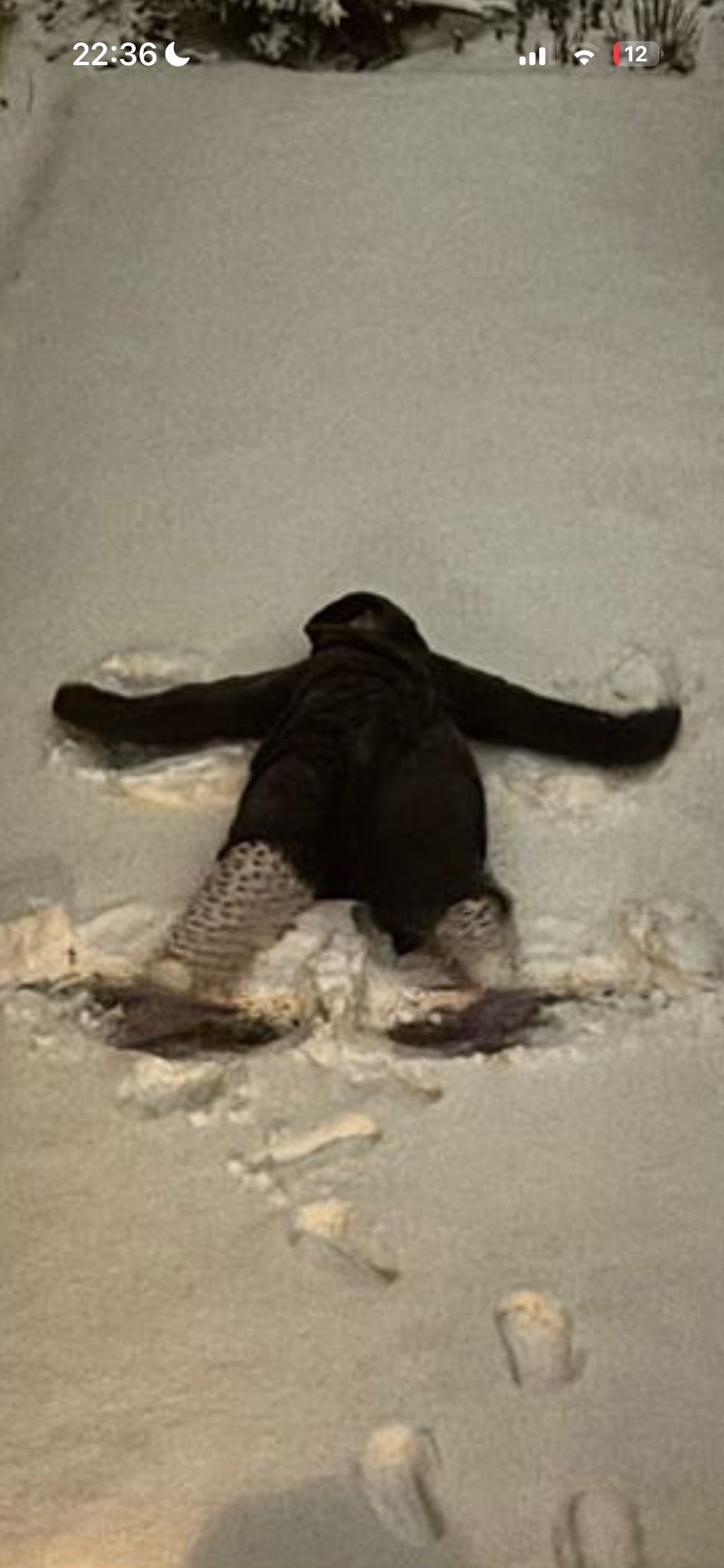
Let’s be honest — winter isn’t everyone’s favourite season.
The cold.
The layers.
The extra time it takes just to get outside.
For me, winter is the hardest season. I don’t naturally gravitate towards it, and there are days when the thought of coats, hats, gloves, and waterproofs feels like a lot before we’ve even stepped out of the door.
But over time, I’ve learned that outdoor learning in winter doesn’t have to be perfect — it just has to be embraced with care and realism.
Here are some practical tips that genuinely make winter outdoor play more manageable, enjoyable, and worthwhile — for children and adults.
1. Warm adults = happier outdoor experiences
From someone who really feels the cold… This one matters more than we sometimes admit.
If adults are cold, uncomfortable, or rushed, outdoor play quickly feels like a chore rather than a joy. Investing in suitable winter clothing for practitioners makes a huge difference.
Things that really help:
- good-quality waterproof coats
- waterproof trousers (yes — for adults too)
- thermal layers
- warm socks, footwear and gloves
When adults are warm and dry, they’re more relaxed, more present, and more likely to stay outside for longer. That calm energy carries straight over to the children.
This isn’t indulgent — it’s practical.
2. Appropriate clothing for children is key
Children can only enjoy outdoor learning if they’re comfortable.
Supporting families to understand the importance of:
- waterproof coats and gloves
- waterproof trousers or all-in-ones
- warm layers (including hats and scarves/snoods)
- spare clothes …can transform winter play.
When children are dressed appropriately, there’s less stopping, fewer complaints, and far more freedom to explore.
Everyone feels happier when they’re warm.
3. Storage makes all the difference
One of the biggest barriers to winter outdoor play is how hard it feels to get outside.
Good storage can completely change that.
Helpful ideas include:
- easy to access outdoor clothing
- Outdoor storage (I previously used a greenhouse, which is a great low cost option but we’ve recently upgraded to a small wooden shed)
- outdoor resources stored close to where they’ll be used
When everything is accessible, going outside feels manageable — not overwhelming.
4. Outdoor learning doesn’t have to mean “the garden”
Outdoor learning isn’t limited to a garden or outdoor area.
Some of the most meaningful winter experiences happen beyond the gate:
- local walks
- bird spotting and listening
- trips to wooded areas
- nature trails
- seasonal observations
With events like the Big Garden Birdwatch approaching, winter is a wonderful time to notice birds, tracks, sounds, and changes in the environment.
You don’t need elaborate plans — curiosity is enough.
5. Forest-style learning can be flexible
Forest School-inspired learning doesn’t have to be formal or complicated.
If you feel confident:
- small group woodland visits
- regular nature walks
- using Resources you enjoy inside, outside (for example taking play dough to the woods)
can offer children consistency, calm, and connection.
For those newer to it, joining local forest school groups or keeping things simple builds confidence over time.
There’s no one “right” way to do this.
6. Short, meaningful time outdoors still counts
Outdoor learning in winter doesn’t need to be rushed. Children still benefit from long stretches of uninterrupted play outside, and this should always be something we work towards. At the same time, good practice means staying attuned to how children are feeling in the moment.
Sometimes:
- 15–20 minutes
- one focused exploration
- a short walk
- a moment of stillness
is enough.
We all know there are days when little ones aren’t feeling 100% — they may be extra tired, under the weather, or simply not in the mood. I’m sure we’ve all experienced days, no matter the season, where we’ve had a lovely idea in mind, only for it to need cutting short because it just wasn’t the right day for it. That’s okay. Plans that felt right at the start of the day may need to change, and that’s part of responsive practice. It’s about quality, not duration.
7. Lower the pressure (on yourself)
Not every winter day will feel magical, and outdoor learning can feel more demanding in this season — both physically and emotionally. There will be days when conditions aren’t ideal, routines feel tighter, or energy levels are lower.
That doesn’t mean outdoor learning has lost its value. What matters most is creating opportunities that are realistic, responsive, and sustainable — for children and practitioners alike.
A final, honest reflection
Winter outdoor learning does ask more of us.
More preparation.
More patience.
More layers.
But when we support ourselves properly, plan realistically, and let go of perfection, it becomes far more manageable — and often more rewarding than we expect.
And on the days when it still feels hard, that doesn’t mean you’re doing it wrong. It means you’re human — and you’re not alone in feeling that way.


 Guiding The Young Ones
Leave a comment