Category: For Educators

Resources, ideas and gentle reminders for those who are the heart of education and on the front lines of early childhood.

  • Together, Not in Competition: Why Community Matters More Than Ever in Early Years

    Together, Not in Competition: Why Community Matters More Than Ever in Early Years

    Someone asked me recently, “Why are you so supportive of other childminders? Aren’t they your competition?”

    I remember pausing for a moment before answering – not because I didn’t know what to say, but because I realised how deeply I felt the opposite. We are not competition. We are colleagues. We are community. Every single one of us – whether we work from a cosy living room, a busy nursery, or a forest school clearing – is part of the same mission: to nurture, protect, and champion childhood.

    Again and again, I’m reminded of just how deeply community matters in this work. Within our shared conversations, there is so much empathy, honesty, and an unspoken understanding of what it truly means to show up each day for children. Many quietly carry the loneliness this role can bring – the stillness at the end of the day, the self-doubt, the sense of not always being fully seen. And yet, woven through it all, is something incredibly powerful: warmth, solidarity, and connection. Because when we choose to stand beside one another rather than compare, we create something truly special – a network of hearts and hands, gently shaping the lives of children together.


    The reality behind the role

    Childminding, and indeed all early years work, can sometimes feel like a contradiction. It’s full of laughter and joy, yet can be incredibly lonely. We pour our hearts into nurturing others, yet often forget to nurture ourselves. We are trusted with children’s most precious years, yet too often made to feel unseen by the wider world.

    And yet – despite the challenges – there is such quiet magic in what we do. The small moments of connection, the first friendships, the sparks of discovery. These are the moments that bind us together, no matter what kind of setting we work in. They remind us that while we might operate independently, we’re never truly alone. Somewhere, another educator is wiping muddy boots, comforting a tearful child, or smiling proudly at a new achievement – just like we are.


    The quiet in-between

    I think many childminders, in particular, feel this deeply. Working from home means there’s rarely a colleague to debrief with at the end of a long day or share the little triumphs that make it all worthwhile. When I moved from a nursery environment into childminding, that was one of the hardest transitions – not the workload or the responsibility, but the quiet. I missed the conversation, the laughter, the spontaneous chats about children’s play or new ideas.

    As wonderful as our friends and families are, it’s different talking to someone who gets it. Who understands the joy of finding a new resource that sparks hours of imaginative play, or the anxiety that bubbles before an Ofsted visit. The truth is, unless you work in early years, it’s hard to explain the emotional weight of this job – the way it stays with you long after the last child has gone home.

    That’s why connection between practitioners matters so much. It’s not just about sharing ideas – it’s about being seen. About knowing that someone, somewhere, understands what it feels like to carry the heart of early childhood in your hands every single day.


    The strength of togetherness

    When one of us shines, it lifts us all a little higher. When one of us struggles, the rest step in – with words of kindness, reassurance, or simply the reminder that we’ve all been there. That’s what makes this community so powerful. It’s not about being the best; it’s about doing our best together.

    We are all part of the same ecosystem – every childminder, nursery practitioner, teacher, and leader plays a vital role in shaping early childhood experiences. There’s no hierarchy in heart work. Bigger isn’t better; it’s just different. Each environment offers something unique, and when we celebrate those differences instead of comparing, children are the ones who truly benefit.


    The call for compassion

    It’s clear just how much this message is needed. Many early years professionals speak about how much they rely on one another – for guidance, reassurance, or simply for someone who truly understands the emotional weight of this work. And yet, there are also those who share how those connections have been lost over time, shaped previously by lockdowns and the ever growing pressures within the sector, leaving many feeling more isolated than ever.

    Perhaps that’s why now, more than ever, we need to lead with compassion -both for ourselves and for each other. A kind comment, a message of encouragement, or simply pausing before we respond online can make all the difference. Most of us work alone, but that doesn’t mean we have to feel alone.

    Because at the heart of it all, we share the same goal: to nurture children with love, patience, and care. To see them, hear them, and help them grow. And when we extend that same compassion to one another, we build a stronger, kinder sector – one that reflects the very values we hope to pass on to the children in our care.


    The quiet power of kindness

    Kindness has a way of rippling outwards – often unseen, but always felt. A gentle word, a shared smile, a moment of empathy between colleagues; these small acts create waves far beyond what we ever realise. When we lead with kindness, we remind others of their worth – and in doing so, we keep that kindness moving. It spreads quietly, changing the tone of our days, our settings, and, in time, our entire sector. And this is the power of kindness – it reminds us that the smallest ripples can change the tide.

    So here’s to every childminder who shares a resource rather than keeping it to themselves.
    To every nursery practitioner who celebrates another setting’s success.
    To every educator who reaches out, listens, or says, “You’ve got this.”

    You are not competition. You are colleagues. You are community.
    And when one of us rises, we all rise a little higher, together. 

    Leave a comment

  • Supporting Schematic Play in Practice: Thoughtful, Balanced Approaches That Support Everyone

    Supporting Schematic Play in Practice: Thoughtful, Balanced Approaches That Support Everyone

    Understanding schematic play often brings clarity.
    But translating that understanding into everyday practice takes time, reflection, and confidence.

    Supporting schematic play doesn’t mean having everything out, asking constant questions, or getting it “right” all the time. It’s about creating a responsive environment where children’s thinking is valued, while also protecting shared spaces and practitioner wellbeing.

    Below are practical, gentle approaches that support schematic play in a way that feels sustainable.


    1. Strong continuous provision comes first

    Before enhancements, provocations, or additions, strong core continuous provision matters.

    When children have consistent access to:

    • open-ended materials
    • loose parts
    • spaces to build, move, pour, connect, and arrange

    They don’t rely on constant adult input to explore their ideas.

    A well-considered base environment allows schematic play to emerge naturally, without the need to add more and more resources.

    Enhancements should respond to children’s interests – not replace what is already working.


    2. Enhance thoughtfully, not excessively

    As we observe children’s interests, it can be tempting to add lots of resources quickly. But more isn’t always better.

    Enhancement works best when it is:

    • intentional
    • following the interests simply and building on them
    • rooted in observation

    Sometimes one additional resource, placed with care, can extend play far more effectively than a full change of environment or invitation.

    This also helps protect the environment from becoming overwhelming – for children and adults alike.


    3. Seeing deeper as understanding grows

    As schematic knowledge develops, practitioners often begin to notice play more deeply.

    What once appeared to be an interest in one thing may actually be something else entirely.

    For example:

    • A child repeatedly spinning a wheel may not be interested in spinning, but in how things work
    • A child pouring water into containers may not be focused on “containing”, but on movement, flow, and gravity (trajectory).
    • A child carefully positioning offence on his farm may not be interested in the positioning but more than enclosure.

    This deeper understanding reminds us to reflect before assuming. It also means being willing to adapt our provision when new insights emerge. There may be times when we set up an invitation based on what we think a child will want to explore, only for them to show us something entirely different. This doesn’t mean the invitation has failed. Instead, it offers valuable insight into the child’s thinking.  Adapting in response is a strength – it shows that we are truly noticing, listening, and responding to a child’s needs.


    4. Reflect often – intervene selectively

    Reflection is essential. Constant intervention is not.

    As practitioners, we don’t always need to:

    • ask questions
    • narrate play
    • extend learning verbally

    In fact, well-intentioned questioning can sometimes interrupt deep concentration and disrupt the natural flow of schematic play.

    Learning when to step back is a skill in itself, and one it’s taken me time to develop. Sometimes the most respectful response is to observe quietly and allow children the space to think.


    5. Support actions, not just activities

    Schematic play is about repeated actions rather than specific activities.

    Instead of focusing on what children are using, consider:

    • what they are doing
    • what action keeps repeating
    • how the environment supports or limits that action

    This approach helps practitioners respond flexibly, without feeling pressure to plan for every outcome.


    6. Use duplication as a supportive tool

    When children repeatedly move resources between areas, small amounts of duplication can support continuity.

    Providing similar tools in different spaces can:

    • reduce frustration
    • support independence
    • protect sustained play

    Duplication doesn’t need to be extensive – just thoughtful.


    7. Boundaries support wellbeing and learning

    Supporting schematic play does not mean unlimited access to everything.

    Boundaries help protect:

    • safety
    • shared spaces and play
    • emotional regulation
    • practitioner capacity

    Gentle boundaries might include:

    • limiting quantities rather than stopping play entirely
    • offering alternative spaces for large scale exploration 
    • returning to play later rather than stopping it completely (pausing play with explanation, not urgency)

    Children benefit from boundaries that feel calm and respectful, not rushed or reactive.


    8. Protect flow where possible

    Schemas thrive in uninterrupted time.

    Whenever possible:

    • allow play to continue
    • delay tidying if learning is still unfolding (even if that means doing some tidying but not the unfinished learning process) 
    • return to play later

    Flow is fragile. Protecting it supports deep engagement, problem-solving, and confidence.


    9. Practitioner wellbeing matters

    Schematic play can be noisy, expansive, and intense at times.

    There will be days when:

    • the environment feels too full
    • your capacity feels stretched
    • stepping in feels necessary

    That doesn’t mean schematic play isn’t being supported.

    It means wellbeing is being protected – and that matters too.

    A calm, regulated adult is far more valuable than a perfectly resourced environment.


    A final reflection

    Supporting schematic play is not about doing more.

    It’s about seeing more.

    Seeing intention instead of mess.
    Seeing thinking instead of behaviour.
    Knowing when to step in – and when to step back.

    That balance takes time, and that’s okay. 

    When we allow ourselves that grace, we create environments where children feel understood – and where we feel more confident, calm, and grounded in our practice.

    Leave a comment

  • Core Provision and Enhanced Provision: Making Sense of It in Real Life

    Core Provision and Enhanced Provision: Making Sense of It in Real Life

    After a few recent conversations with other practitioners, I realised how much confusion there still is around core provision and enhanced provision. Not because people aren’t doing it — but because they often don’t recognise that they already are.

    I wanted to share what this looks like in my own setting, not as a checklist or a “this is how you should do it”, but as a real, lived example — mess, movement, space limitations and all.

    What core (or continuous) provision really means to me

    For me, core provision is about familiarity, accessibility, and trust.

    It’s the resources that are always available to children — the ones they return to again and again, building on ideas, revisiting learning, and deepening their play over time. These resources don’t need to be flashy or constantly changed. In fact, their power lies in their consistency.

    In my setting, I don’t have a large, dedicated space where everything lives permanently. Storage is something I’ve had to think carefully about, because how resources are stored has a huge impact on how effective core provision actually is. Some areas rotate where they’re stored simply because of space — but the key thing is that the resources themselves are always readily available to the children.

    Core provision isn’t about where something sits. It’s about whether children know it’s there, can access it independently, and feel confident using it.

    Core provision inside and out

    One thing that’s really important to me is that core provision happens both indoors and outdoors.

    Children don’t separate their learning by walls, so I try not to either.

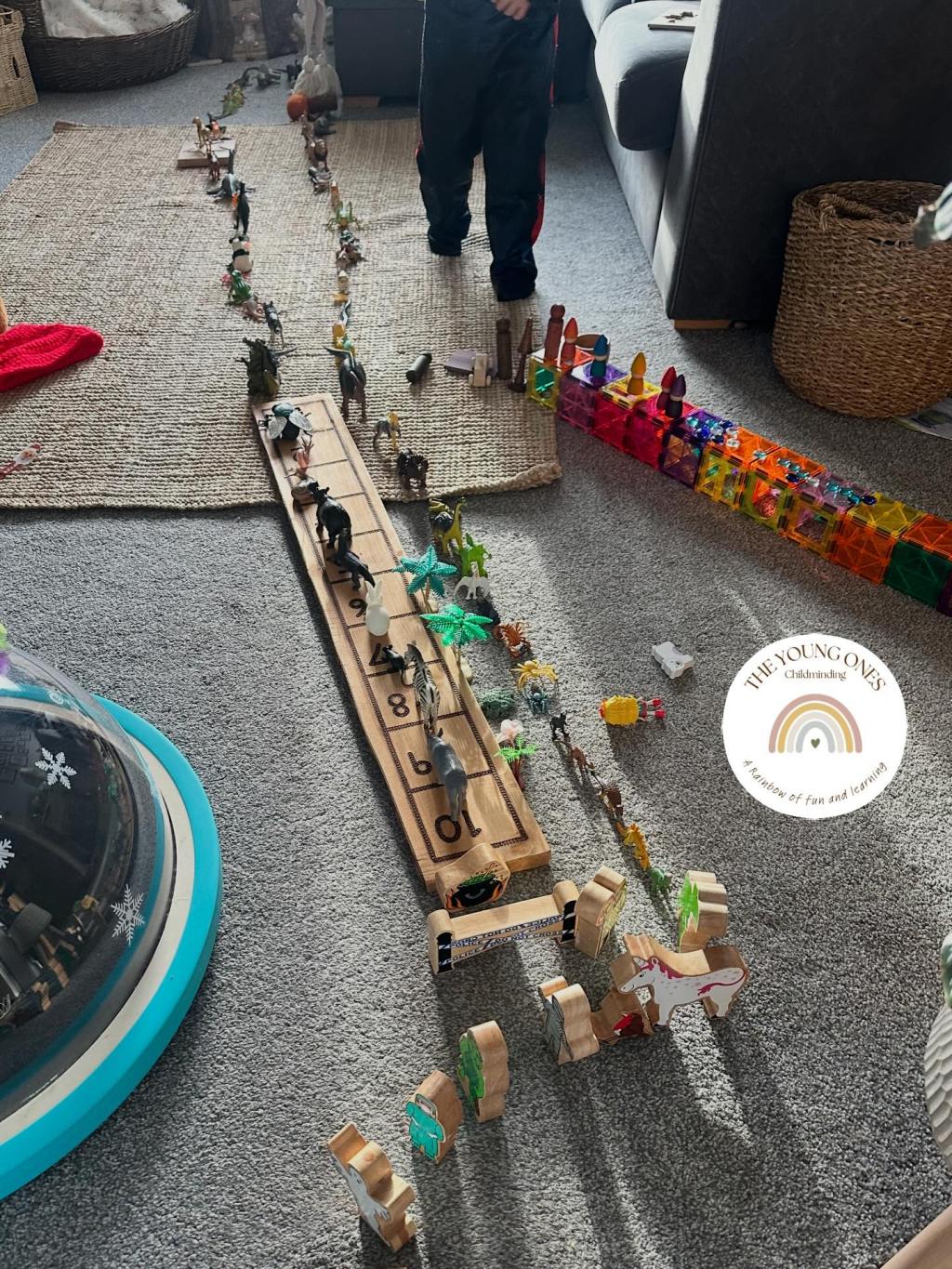
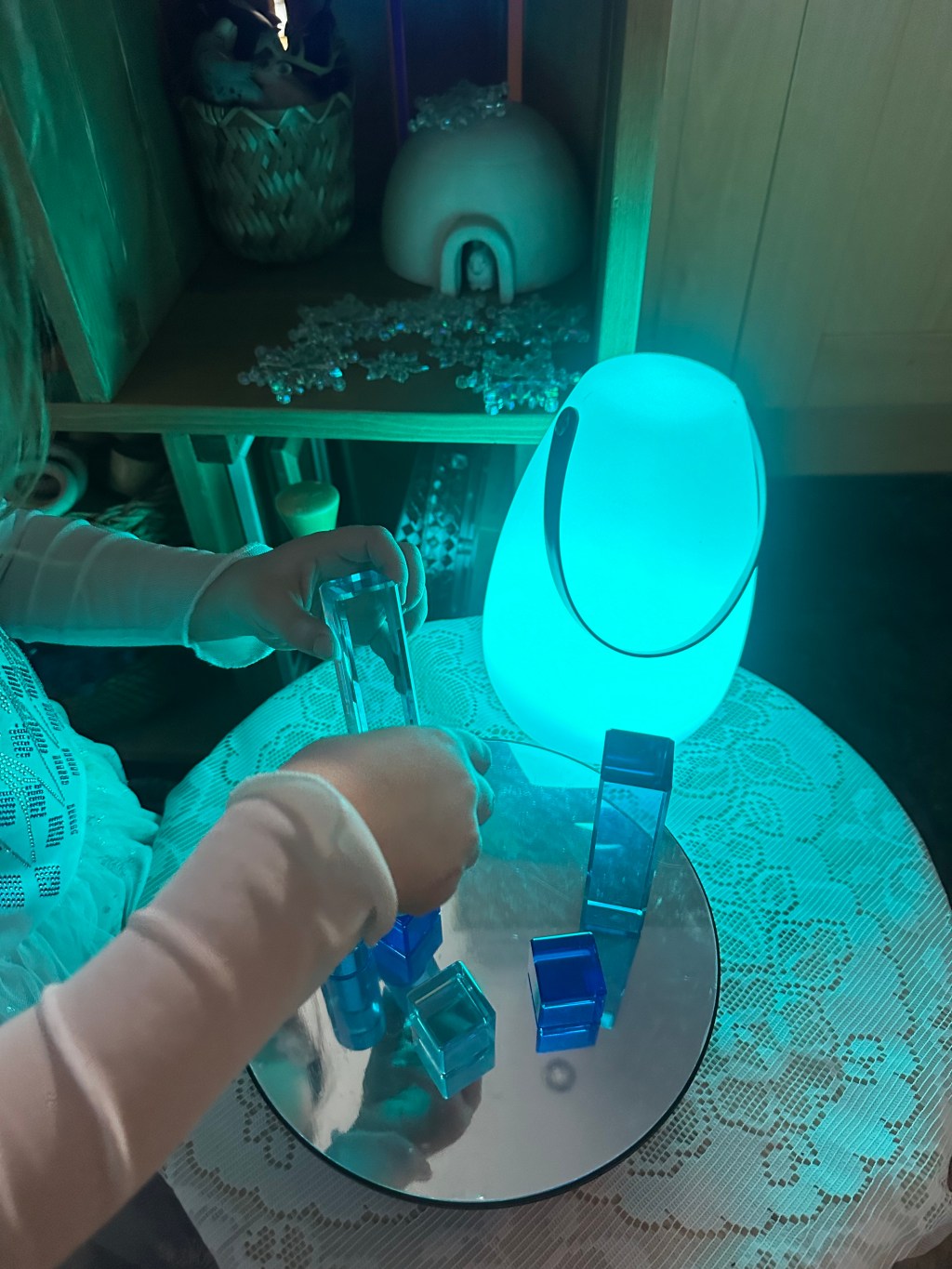
    For example, construction is a huge part of our core provision. Indoors, children always have access to resources like wooden blocks, magnet tiles, acrylic cubes, cars, animals, and loose parts. Outdoors, that same interest is supported on a larger, more physical scale — with wooden planks (cut-down decking), pipes, tyres, guttering, foam blocks, and open-ended materials that allow for big ideas and gross motor play.

    The resources are different, but the thinking is the same.

    This continuity allows children to transfer ideas, revisit schemas, and explore concepts in ways that feel natural to them.

    Open-ended, authentic resources

    Another key part of our core provision is the use of real, authentic materials alongside more traditional resources.

    In our home corner, children have access to real pots and pans, metal and wooden utensils, and items with different weights, textures, and sounds. Alongside this, we also have felt food and open-ended loose parts that children can transform into whatever their play requires.

    You’ll find animals both inside and out — some wooden, some plastic — because children use them differently in different spaces. Natural loose parts like pinecones, stones, and shells are always available too, offering endless opportunities for imaginative play, schematic exploration, and sensory engagement.

    Books as core provision

    Books are woven throughout the setting, not confined to one area.

    We have familiar, well-loved books that are always available — the ones children know by heart, request again and again, and use in their play. Alongside these, we rotate seasonal or interest-led books, often linking them to small world play or simple bookish invitations. Alongside this we always have books and materials that reflect and build on children’s cultural understanding, promoting diversity and inclusivity.

    This is where enhanced provision gently comes in.

    So what is enhanced provision?

    Enhanced provision is not about replacing core provision or creating lots of new activities.

    It’s about responding.

    It might be:

    • adding sensory/messy play provocation that is based round in interest or areas of development that you would like to support
    • introducing a story/bookish play that reflects something children are acting out in play
    • adding new loose parts, textures, or materials linked to a current interestChanging seasonal resources as the seasons change, and introducing books and materials linked to festivals and celebrations from around the world to broaden children’s experiences.

    The core stays steady. The enhancement shifts and adapts.

    EYFS — without forcing it

    I’m always mindful of ensuring that our provision supports all areas of the EYFS, both indoors and outdoors. But I don’t do this by setting up separate “maths”, “literacy”, or “understanding the world” activities.

    Instead, I make sure resources are accessible.

    For children interested in numbers, there are resources with recognisable numerals available inside and out. For those drawn to mark-making or storytelling, there are always opportunities to explore literacy in meaningful ways. Construction naturally lends itself to mathematical thinking, problem-solving, and conversations about the world — from counting blocks to talking about homes, structures, and materials.

    One resource often supports many areas of learning — and that’s exactly how it should be.

    A gentle note on schemas

    Although I won’t go into detail here, it’s worth mentioning that schemas play a big role in how children engage with core provision. When resources are consistent and open-ended, children can fully explore their schematic interests — whether that’s transporting, positioning, enclosing, rotating or more.

    Understanding this has helped me refine our provision over time, and it’s something I’ll be sharing more about separately.

    Less really is more

    If there’s one thing I hope this offers, it’s reassurance.

    Provision doesn’t need to be perfect.
    It doesn’t need to be constant change.
    And it certainly doesn’t need to look the same in every setting.

    What matters is that children feel confident, curious, and capable in their environment — and that practitioners feel supported, not overwhelmed, by the expectations placed on them.

    Chances are, you’re already doing far more than you realise.

    Leave a comment

  • Holding On to Hope: The Reality and Resilience of Early Years Today

    Holding On to Hope: The Reality and Resilience of Early Years Today

    There is no denying it anymore: the early years sector is standing in the middle of a storm.

    Childminder numbers continue to fall at an alarming rate. Nurseries are closing their doors. Practitioners — some of the most compassionate, dedicated people you could ever hope to meet — are walking away from a job they love because the emotional weight, financial strain, and daily pressures have become simply too much.

    And yet, every morning, across thousands of homes, gardens, nurseries, and classrooms, something extraordinary still happens.

    Children are welcomed into spaces full of warmth and wonder.
    Tiny hands are held.
    Questions are answered with patience.
    Tears are soothed.
    Worries are heard.
    Play is protected.
    Magic is made out of muddy puddles, cardboard boxes, and the everyday moments most adults rush straight past.

    This is the heart of early years.
    And it beats on, even in challenging times.

    The Reality We Can’t Ignore

    And while early years is full of magic, connection, and joy, it also carries a quieter reality that deserves to be heard.

    Because behind every warm welcome in the morning, behind every smile, every moment of play and wonder, early years professionals are quietly carrying far more than most people will ever realise.

    They are navigating constant policy changes and shifting expectations, trying to keep pace with a system that often moves faster than the people working within it.

    They are stretching rising costs of food, resources, and utilities — all while funding remains painfully out of step with the true cost of quality care.

    They are pouring emotional labour into other people’s children while still holding space for their own families, their own health, and their own wellbeing — hearts stretched in every direction.

    They feel the weight of responsibility, knowing that these early years shape everything that follows. Every gesture, every moment of connection, every tiny spark of confidence matters.

    They are still, far too often, misunderstood or undervalued — mistaken for “babysitters” despite the skill, knowledge, and professional judgement woven into every day.

    They face the uncertainty of Ofsted, where inconsistency and pressure can sometimes leave dedicated professionals feeling judged rather than supported.

    This is the reality so many early years educators wake up to each morning.
    And still — they show up with love.
    With patience.
    With belief in children.
    With the quiet, steady knowledge that what they do matters.

    And yet, even with all of this, the heart of our profession still beats strong — more resilient and more needed than ever.

    For childminders especially, all of this is intensified.
    Working alone.
    Working from their own homes.

    On top of this comes the reality of inconsistent support, the loneliness and vulnerability of a home-based role, and the pressure of running a small business in a system never truly designed for them.
    It’s no wonder people feel exhausted.
    It’s no wonder numbers are falling.
    It’s no wonder so many are grieving a sector they still love.

    But even in the middle of all this… something else is happening too...

    The Difference We Make — Even When No One’s Looking

    Every single early years professional has a story.

    A child whose confidence grew because you believed in them.
    A family who felt held in their hardest moments.
    A toddler who discovered their voice, their joy, their courage, because you made space for them to shine.
    A shy child who danced for the first time.
    A little one who whispered “I did it” with pride bursting from every inch of their being.

    These aren’t small moments.
    These are life-shaping moments.

    And they happen because you show up — even when you’re exhausted, stretched, or battling your own self-doubt.

    You show up because children deserve the very best start in life.
    You show up because childhood matters.
    You show up because the work you do is love in action, learning in motion, humanity in its purest form.

    And that is something worth fighting for.

    The Shared Weight — and the Shared Hope

    One of the most powerful truths about early years is this:

    We are not alone.

    Nursery practitioners, childminders, teachers, managers, SEND specialists, support workers, forest school leaders, Nannies, wraparound care providers — we are all part of the same heartbeat. We all carry the same responsibility: to nurture, protect, and champion children.

    And yes, the pressures are real.
    Yes, the system needs change.
    Yes, passion can only carry people so far without proper recognition and support.

    But the hope?
    The hope is real too.

    It lives in every child who enters our care.
    It lives in every practitioner who refuses to give up.
    It lives in the conversations happening louder and more public than ever before.
    It lives in the advocacy, the resilience, the refusal to let early childhood become an afterthought.

    Change begins when people care enough to speak up.
    And early years professionals care more than most people will ever understand.

    A Future Worth Fighting For

    If the decline in numbers tells us anything, it is this:

    Early years needs protecting.
    It needs investing in.
    It needs valuing — not in words, but in policy, pay, support, and long-term vision.

    Because when we protect the adults who care for children, we protect childhood itself.

    And despite it all — the exhaustion, the uncertainty, the pressure — there is still something unshakeably beautiful at the heart of this work:

    Children.

    Their laughter.
    Their curiosity.
    Their tiny acts of courage.
    Their absolute belief that the world is a place worth exploring.

    They are why we’re here.
    They are why we keep going.
    They are why this sector is worth fighting for.

    And as long as children fill our homes, gardens, nurseries, and classrooms with joy and wonder…
    There will always be hope.

    Leave a comment

    Rating: 5 out of 5.

    ← Back

    Thank you for your response. ✨

    Rating(required)

  • Suspended, but Silenced: The Hidden Weight of Childminding 

    Suspended, but Silenced: The Hidden Weight of Childminding 

    Recently, I received a heartfelt message from a fellow childminder. Their words have stayed with me, not only because of the pain behind them, but because they shine a light on something rarely spoken about — the quiet, terrifying vulnerability many childminders live with.

    They described how, from one day to the next, their setting was suspended by Ofsted while an investigation took place. They had no warning. No timeframe. No explanation. Overnight, their business was closed, their income stopped, and their world thrown into chaos.

    And here’s the hardest part:
    they didn’t even know why.

    Weeks passed before any details were shared. In that time, bills still needed to be paid. Children and families still needed care. But the childminder was left in silence, unable to work, unable to defend themselves, unable to plan for what lay ahead.

    And this isn’t even an isolated case! I’ve received several emotional messages from heartbroken and desperate professionals — many who have now left the sector entirely. This is especially painful in a sector already stretched thin. We cannot afford to loose more passionate educators who make such a profound difference to children’s lives.

     The financial toll

    For employed people, suspension pending investigation usually comes with pay and a clear process. For self-employed childminders, there is nothing. No salary. No safety net. Insurance payouts, where available, barely touch the loss. Meanwhile, the weeks — and sometimes months — drag on.

    The emotional toll

    Imagine being dedicated to your work, pouring your heart into children every single day, only to find yourself labelled “under investigation.” And the truth is, it can happen to anyone. It doesn’t matter how committed you are, how high your standards are, or even what Ofsted rating you hold — every single childminder is vulnerable. You’re not told what for, or when it might be resolved. You just sit in limbo. Fear creeps in. Sleep disappears. Anxiety grows. And the isolation is crushing, because unlike those in larger settings, we have no team to lean on.

    Even after the investigation ends — and many are unfounded — the scars remain. Rebuilding confidence, rebuilding trust, and rebuilding your business after months away is not easy.

    The professional toll

    And yet this is a reality many childminders face. As one childminder who wrote to me said so clearly:

    “We are left completely alone to navigate a horrible time with no clear rules, no timeframe, and no support.”

    Why this matters

    This absolutely isn’t about resisting safeguarding — it’s about recognising that child safety and professional wellbeing can and must go hand in hand. Protecting children will always be paramount. It has to be! But safeguarding and fairness should not be polar opposites.

    We need:

    • Clear timeframes so investigations cannot drag on indefinitely.
    • Financial protections so childminders are not left destitute while waiting for outcomes.
    • Mental health support to help childminders cope with the stress and fear of suspension.
    • Accountability from governing bodies who hold our livelihoods in their hands.

    Because right now, childminders are left carrying all the risk, with none of the protections an employed worker would expect.

    The bigger picture

    It’s easy to overlook the hidden pressures childminders face. Parents and families see us as warm, nurturing, flexible care for their children — which we are. But behind that is the stark reality: we shoulder everything alone. No sick pay. No holiday pay. No HR support. No big team behind us.

    When a suspension happens, it isn’t just a business that suffers. It’s families left without care. Its children suddenly pulled from familiar routines. It’s livelihoods thrown into question. And it’s individuals — passionate, dedicated professionals — left broken by a system that shows them no compassion.

    If employers are expected to support their staff during suspension, why should childminders — who form the backbone of childcare for so many families — not be given the same respect?

     A call for change

    If inspections and investigations are truly about safeguarding, then the process should safeguard everyone involved, not destroy those who dedicate their lives to children.

    Childminders love their work. But love alone cannot carry the weight of financial ruin, sleepless nights, and months of uncertainty. We need systems that are just, compassionate, and accountable.

    Until then, too many will live in fear of the “what ifs” — and too many may decide the risk is simply too high.

    Because behind every suspension is not “just a childminder”.
    It’s a human being.
    It’s a family.
    It’s a life turned upside down.

    And that cannot be the price of of a system that protects children in theory, but leaves the adults who care for them unprotected in practice.

    Leave a comment

  • The Hidden Weight We Carry in Early Years

    The Hidden Weight We Carry in Early Years

    Every morning, I open my door with a smile. No matter how little I’ve slept, no matter if my head is heavy with worry, no matter if I’m feeling run down — that first knock on the door is my moment to reset. The children arrive, and I greet them with warmth, because they deserve nothing less.

    What families see is joy, patience, energy, and love. What they don’t see is the hidden weight that sits behind the smile.


    The Many Hats We Wear

    In early years, especially as childminders, we are never just one thing. We are educators, business owners, administrators, cooks, cleaners, entertainers, counsellors, advocates, and playmates. We manage funding, keep training up to date, and complete paperwork that nobody outside our world quite understands.

    Much of this happens unseen: late-night training after our own children are in bed, Saturdays given up for first aid, evenings spent creating invitations to play. Parents don’t see the hours after dark filling in funding forms or reflecting on practice. And they shouldn’t have to — that’s not their weight to carry. But it is ours.


    The Weight That Lingers

    Ofsted is often the word that makes our hearts beat faster. Accountability matters — families deserve transparency, and children deserve the very best. But the weight isn’t only in the grade itself. It’s in the inconsistency.

    On one day, you might be told you’re outstanding. On another day, doing the exact same things, you could be told you’ve fallen short. Not because your practice changed, but because the perspective of the inspector did. That unpredictability leaves us second-guessing ourselves and questioning not only our work, but our worth.

    And even when the inspection ends, the pressure doesn’t. It lingers like a shadow — a reminder that everything we pour ourselves into can hang on the opinion of whoever walks through the door.


    The Unseen Burden

    But the weight isn’t just about inspection. It’s about the way we carry on giving, no matter what’s happening in our own lives.

    We’ve all had those mornings where life feels overwhelming. Maybe we’re exhausted from worries that kept us awake at night. Maybe family challenges are playing on our minds. Yet still, we open the door, dance around the living room, and head outdoors to hunt for conkers or splash in puddles.

    That’s the unseen reality of our role. The children don’t see our tiredness or our struggles — and they shouldn’t have to. They see our smiles, our energy, our willingness to play. We give them the best of us, even when we’re running on empty ourselves. Because that’s what they deserve.


    The Misconceptions We Battle

    And still, despite everything, our profession is often misunderstood.

    How many of us have heard: “Childcare is the easy option”? Or: “You just play all day”? Or been met with the assumption that we’re unskilled or “just babysitters”?

    The reality couldn’t be further from the truth. Play isn’t “just” anything. It is complex, powerful, and deeply rooted in how children learn. To scaffold it well takes observation, reflection, and professional knowledge. Understanding child development, recognising schemas, and following interests — that is skilled work.

    Yet so often, the weight we carry is made heavier by the lack of value placed on what we do.


    Why We Keep Showing Up

    So why do we keep showing up, despite the exhaustion, despite the undervaluing, despite the pressure?

    Because the children matter.

    Because we know the difference we make, even if the world doesn’t always recognise it.

    Because nothing compares to watching a child’s eyes light up when they discover something new, or the pride in their face when they master a skill. Nothing compares to the moment a child runs into your arms for comfort, or when a parent tells you how much their child loves being with you.

    These are the moments that outweigh the struggle.

    I’ve had mornings where I’ve been drained and heavy-hearted, only to find myself laughing uncontrollably as I chased children around the garden pretending to be a dragon. I’ve had days where I’ve questioned myself, only for a child’s hug to remind me that I am exactly what they need.

    This is why we keep showing up. Not because the job is easy — but because the children deserve the best of us, and we refuse to give them anything less.


    Accountability and Respect

    This isn’t about rejecting accountability. I believe in high standards. I believe families deserve clarity, and I believe children deserve excellence.

    But I also believe educators deserve respect.

    We need a system that recognises the heart, knowledge, and commitment we pour into this work. A system that supports us to improve, rather than leaves us fearful of falling. A system that understands the weight we already carry, rather than adding to it.

    Because accountability without respect doesn’t strengthen us — it weakens us. And when educators are depleted, children are the ones who lose out. We are watching too many incredible individuals walk away from the profession, and too many wonderful settings close their doors — not because the love has gone, but simply the pressures have become to heavy to bear.


    The Love That Wins

    The weight we carry in early years is real. The unseen hours, the hidden struggles, the emotional toll — they are all part of our story.

    But so is the love.

    Every morning, despite everything, we open the door with a smile. We choose to give children the best of ourselves, even when it costs us. We carry the weight quietly, because the joy, the learning, and the love matter more.

    The world may never fully see the unseen weight of our role. But every child who has ever felt safe, loved, and celebrated in our care has lived the truth of it.

    And at the end of the day, that’s why we keep showing up. Because the weight is heavy — but the love is heavier. And every day, the love wins. 

    Leave a comment

  • What Inspires You?

    What Inspires You?

    Inspiration is everywhere — sometimes loud and life-changing, sometimes quiet and steady. Often, we don’t even realise we’ve been inspired until we look back and see how far we’ve come, guided by the encouragement, belief, or example of someone else.

    Throughout my life, I’ve been surrounded by people who have inspired me, lifted me up, and encouraged me to be the best I can be. My family is full of incredible individuals, and I count my lucky stars every day that they’re such a special part of both my life and my children’s lives. From them, I’ve learned about resilience, love, humour, and the value of showing up for one another — lessons that have shaped who I am, both personally and professionally.

    But my inspiration hasn’t stopped there.

    There have been special friends who’ve walked with me through life’s ups and downs. There have been brilliant teachers who saw something in me — who invited me to take additional GCSEs, who encouraged me to pursue further qualifications, who planted seeds of confidence at times I didn’t even realise I needed them. And now, as I look around at the early years community I’ve found myself part of, I’m constantly inspired by the people I meet — educators who pour their hearts into their work, creating rich, meaningful childhoods for the little ones in their care.

    When I decided to become a childminder, it was after a period of deep personal reflection — particularly following the complicated birth of my youngest. Childminding was something I had considered for many years, but life (and a good dose of self-doubt) always seemed to get in the way. After his birth, I realised that life is too short to keep waiting. I wanted to build something that worked for my family and filled my heart — so I took the leap.

    As I began exploring what childminding could look like, I stumbled across some incredible pages and profiles online. They weren’t flashy or commercial — just full of passion. You could feel it in their words, in the love behind the photos, in the intentionality of the spaces they created. I was in awe of the thoughtfulness, the warmth, and the deep care that radiated from these settings. It was inspiring.

    Since then, I’ve come across hundreds — probably thousands — of passionate, dedicated childminders and early years educators. People who give their all to ensure children feel safe, loved, and seen. People who understand that childhood isn’t just preparation for life — it is life.

    Whether it’s designing beautiful, inviting play spaces, planning meaningful, interest-led experiences, heading out on muddy adventures, or simply being that constant, trusted grown-up in a child’s world — what you do matters. You are shaping lives. You are holding space for families. You are showing up, day after day, even when it’s hard.

    I’ve had the privilege of connecting with so many of you — in person, online, in passing conversations and deep discussions. And I truly hope those connections have planted seeds of friendship too. One of the things I treasure most about this work is the way it brings kind, passionate people together — people who care not only about children, but about each other.

    So to all of my followers, to every childminder, nursery practitioner, and early years professional reading this:

    I see you.
    I see the early starts, the late finishes, the careful planning.
    I see the hours spent researching, reflecting, adjusting, and adapting.
    I see the energy you pour into your environments, the way you tailor your care to each unique child.
    I see the cuddles, the encouragement, the gentle redirections, the joyful laughter.
    And I also see the doubts. The loneliness. The financial worries. The weight of feeling unseen or undervalued in a sector that is often misunderstood.

    Please know this: you inspire others.

    Whether you’ve been doing this for decades or are just finding your feet, the love and care you give matters more than you may ever know. Someone out there is watching your work — learning from you, feeling encouraged by your example, reminded not to give up.

    So whatever — or whoever — inspires you, hold onto it. Let it be your anchor on the hard days and your spark on the good ones.

    And if no one’s told you lately:
    You are doing something incredible.
    And you are truly amazing. 

    Leave a comment

    Pages: 1 2

  • The Power of Child-Led Play: Why Following Children’s Interests Matters

    The Power of Child-Led Play: Why Following Children’s Interests Matters

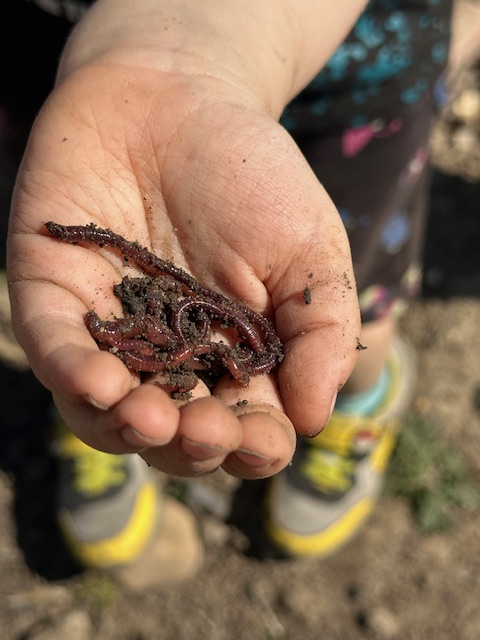
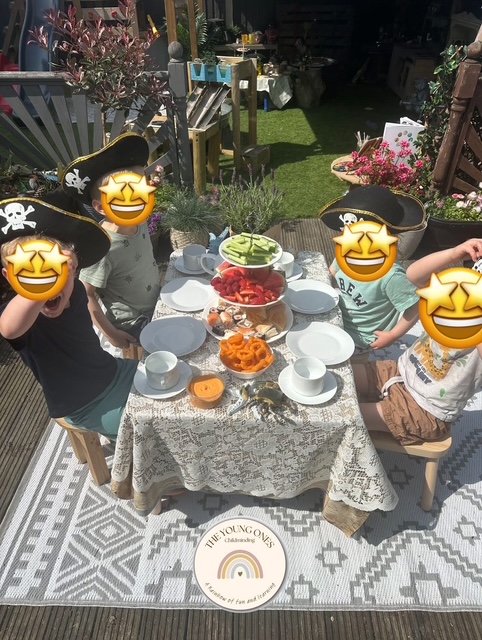
    This week in our setting, we’ve journeyed through all kinds of learning adventures. Our Young Ones discussed worms and, before long, the children had sparked a full-on nature investigation adventure and helped create their very own wormery. Meanwhile, our interest-led under-the-sea inspired learning invitations flowed into joyful pirate play — which, in true child-led spirit, ended in a self-declared “pirate tea party.” We walked to the local shop, where the children proudly chose sushi because, in their words, “pirates like fish.”

    These moments weren’t adult-designed or prescribed — they were born from the children’s imaginations, curiosities, and play. And as an early years educator, there’s nothing better than knowing that their learning is not only deep and meaningful, but also incredibly fun and relevant to them.

    After all, when children are engaged in play that excites and interests them, they don’t just learn — they thrive.


    What Is Child-Led Play?
    Child-led play is exactly what it sounds like: play that is initiated, directed, and sustained by the child. As educators, our role is to tune in — to notice what interests them, what stage they’re at, and what they need in order to extend their ideas further.

    Rather than taking the reins, we become thoughtful observers, gentle guides, and curious co-learners. We provide the environment, the materials and the emotional safety — but the learning path? That’s theirs to walk.


    Why Is It So Important?

    • It meets children where they are. Instead of pushing concepts they’re not ready for, we support the learning they’re naturally driven toward — making it more meaningful and developmentally appropriate.
    • It builds intrinsic motivation. When children are in control of their play, they’re more likely to stay focused, engaged and joyful in their learning.
    • It supports deeper learning. Real connections happen when children are truly interested — whether they’re twiddling a leaf, building a den or role-playing life as they see it. These aren’t just ‘games’. They’re opportunities to process emotions, explore new concepts and grow essential life skills.
    • It nurtures confidence and autonomy. Children learn that their ideas matter. That they can lead, decide, and explore at their own pace — and be respected for it.

    Our Role as Educators
    Child-led play doesn’t mean stepping back entirely. It means stepping in at the right moments — offering vocabulary, extending ideas, providing a new material at just the right time, or reflecting later with the child.

    It’s about understanding that the child is the curriculum — and trusting in their ability to learn through play when given the time, space and support.


    A Gentle Reminder
    Every setting is different, but in ours, child-led learning is at the heart of everything we do. We meet children exactly where they are and we build from there — gently, respectfully and with curiosity.

    Because when learning is joyful, meaningful and rooted in play, it doesn’t just stick — it sings.

    Leave a comment

  • The Importance of Continual Professional Development (CPD) in Early Years Education

    The Importance of Continual Professional Development (CPD) in Early Years Education

    In the fast-paced, ever-evolving world of early years education, there is one thing I always strive for: continual growth. As an educator, I believe that we should never stop learning, evolving or reflecting on our practice. Professional development is not just about enhancing our knowledge, it’s about committing to the best possible outcomes for the children we care for.

    Being passionate about early years education means that I find immense joy and excitement in the learning process itself. Once I finish one project, research paper, or training session, I’m already eager to move on to the next challenge. And often, those challenges overlap – because there is always room for improvement, and there is always something new to discover.

    Why is CPD so Important in Early Years Education?

    The impact of quality professional development on early years educators cannot be overstated. Continual Professional Development (CPD) is not just a box to tick, it’s a powerful tool for growth, both for you as an educator and for the children you care for. CPD helps educators refine their practice, enhance their skills and stay up to date with the latest developments and research in the field. More importantly, it allows us to:

    1. Improve Our Practice: By taking part in CPD, we continuously reflect on what we’re doing well and where we can improve. Whether it’s learning new pedagogical approaches, refining techniques or gaining a deeper understanding of child development – CPD helps us grow as reflective practitioners.
    2. Create a Positive Impact on Children: The ultimate goal of CPD is to improve the outcomes for the children we care for. The more knowledgeable and skilled we are, the more we can support children’s growth and learning. With new tools and ideas from training, we can better meet the individual needs of each child, helping them thrive in a safe and stimulating environment.
    3. Stay Engaged and Motivated: One of the most rewarding aspects of working in early years education is the chance to make a difference in children’s lives. CPD keeps us motivated, inspired and refreshed, which allows us to approach each day with enthusiasm and energy. It’s easy to become set in our ways, but training and learning new skills help us stay excited about our profession.
    4. Reflect and Adapt to Changing Needs: The world of early years education is constantly changing. New research, evolving curricula and best practices are always emerging. CPD helps us stay ahead of the curve, adapting to changes in the profession and adjusting our practice to best meet the needs of the children in our care.

    My Personal CPD Journey

    I believe in the power of professional development, and my own journey in CPD has been incredibly fulfilling. Some of my most significant milestones include:

    • Becoming a Platinum Green Tree School: This was a fantastic opportunity to integrate and showcase our commitment to environmental education and sustainability into our practice. It challenged me to think differently about how we can foster an appreciation for nature and the environment from an early age.
    • Hygge Accreditation: This was a beautiful journey where I explored how to create a warm, calm and nurturing environment for children, inspired by the Danish philosophy of hygge. It really deepened my understanding of the importance of creating an atmosphere that supports emotional well-being.
    • Gold Healthy Years Award: This award focused on promoting healthy lifestyles, both for children and educators. It gave me the tools to ensure that the children in my care learn the value of physical activity, nutrition and mental well-being from the very start.
    • Makaton Qualifications: Learning Makaton has been invaluable in supporting communication and emotional wellbeing for all children. It has not only opened doors for more inclusive communication but also helped me engage with children in a more meaningful and supportive way.

    These experiences have shaped the way I work and have enriched my practice. Each qualification and award has taught me something new about how we can create better, more effective learning environments for children.

    Exciting CPD Opportunities on the Horizon

    Currently, I’m working on some exciting new CPD that I can’t wait to share with you all soon. CPD is not just about adding new qualifications to your resume – it’s about finding ways to keep your passion for education alive and staying inspired in your work. The new courses I’m undertaking will further enhance my skills and help me stay at the forefront of educational best practices.

    Invest in Yourself and Your Provision

    As early years educators, we have the power to shape the future for the children in our care. Our impact is lasting, and it’s important that we constantly strive to be the best we can be. I would encourage every educator to invest in themselves and their provision. Whether that means attending workshops, completing formal qualifications or simply reflecting on practice, every step counts.

    • Practical Tip: Set aside time each year for CPD. Whether it’s a day-long course, an online module or reading up on the latest research, make it a priority. Continuous growth is key to staying inspired and providing the best possible care for the children.

    A Lifelong Journey of Learning

    The journey of professional development is never over. There’s always more to learn, new tools to explore and innovative ways to improve our practice. By investing in our growth as educators, we ensure that the children we care for receive the best possible start in life. After all, they deserve our very best.

    I encourage all educators to take the time to engage in CPD and reflect on how they can continue to develop their practice. It’s an exciting journey, and the benefits for both you and the children are immeasurable….

    So, what will your next CPD adventure be?

    (Please share with us any CPD that has supported you in your journey, that you found particularly impactful or that you found especially enjoyable – either in the comments or on our social media. I can’t wait to hear all about it)!

      Leave a comment

      Pages: 1 2

    • Building Strong Relationships with Young Children: The Importance of Attachment

      Building Strong Relationships with Young Children: The Importance of Attachment

      As early years educators, whether you’re a childminder or a nursery practitioner, one of the most important aspects of your role is to create a safe, nurturing and supportive environment for the children in your care. While many parents and caregivers naturally focus on physical needs like feeding, clothing and safety, the emotional needs of children are equally vital for their growth, development and wellbeing.

      At the heart of this emotional support is attachment – the deep emotional bond that forms between a child and their primary caregivers. The quality of these relationships has a significant impact on a child’s overall well-being and development. Understanding and fostering healthy attachment is essential in the early years.

      What is Attachment?

      Attachment refers to the bond that children form with their caregivers, which provides them with a sense of security and safety. This bond is formed through consistent, responsive interactions and builds the foundation for emotional regulation, trust and social development.

      In the early years, children are particularly sensitive to the quality of their relationships. Positive attachment experiences help children feel safe, loved, and understood, which is crucial for their mental, emotional and social development.

      Why Attachment Matters in Early Childhood

      1. Emotional Development: Children who have secure attachments with their caregivers tend to develop strong emotional regulation skills. They learn how to manage their feelings, cope with stress, and express emotions in healthy ways. These children are also better equipped to form positive relationships with others.

      2. Social Skills: Attachment in early childhood lays the groundwork for how children interact with others as they grow. Children with secure attachments are more likely to show empathy, engage in positive social interactions, and develop strong peer relationships.

      3. Cognitive and Language Development: Secure attachment helps create a safe base for exploration and learning. Children who feel secure are more confident in exploring their environment, trying new things, and engaging in cognitive tasks. This exploration and engagement are key drivers of language and cognitive development.

      4. Long-Term Mental Health: A strong attachment bond in the early years can set the stage for healthier mental health outcomes throughout childhood and into adulthood. Children who experience secure attachment are less likely to experience anxiety, depression or behavioural problems.

      How Can Childminders and Nursery Staff Foster Strong Attachments?

      1. Be Consistently Responsive to Children’s Needs: One of the most important ways to foster secure attachment is to be consistently responsive to a child’s physical and emotional needs. Whether it’s offering comfort when a child is upset or providing praise when they achieve something, consistency helps children feel understood and valued.

      • Practical Tip: Respond to verbal and non-verbal cues from the children. If a child reaches out for comfort or needs assistance, try to meet those needs in a calm, caring manner. Over time, this builds trust.

      2. Establish Predictable Routines: Children feel more secure when they know what to expect. Creating a predictable and consistent routine helps children feel safe and reduces anxiety. It’s important to provide structure in the daily schedule, but also to remain flexible to the children’s emotional needs.

      • Practical Tip: Create a visual schedule with pictures that children can refer to throughout the day. This helps younger children, especially those who are non-verbal, understand what’s coming next.

      3. Create a Warm and Inviting Environment: Children need to feel emotionally safe in their environment. A warm, inviting atmosphere allows children to explore and learn, knowing that there is a safe haven they can return to when they need it. Your body language, tone of voice and facial expressions play a large role in this.

      • Practical Tip: Use open body language, maintain eye contact, and speak in a soothing tone when interacting with children. A friendly and approachable demeanor invites children to come to you for support.

      4. Offer Comfort and Reassurance: When children are upset or distressed, your ability to offer comfort and reassurance plays a critical role in strengthening the attachment. Whether it’s through a gentle touch, a cuddle or words of encouragement – children need to feel supported during challenging moments.

      • Practical Tip: When a child is upset, kneel down to their level, acknowledge their feelings, and offer reassurance. Simple phrases like, “I see you’re upset, and I’m here to help” go a long way in making children feel safe.

      5. Be Present and Engage: Quality time spent with children is one of the best ways to form secure attachment. Engage in activities that foster connection, such as reading together, playing games, or simply talking and listening to them. Active engagement helps children feel valued and understood.

      • Practical Tip: Get down to the child’s level during playtime and actively participate. Whether it’s building with blocks or drawing, your involvement helps them feel secure and appreciated.

      6. Encourage Emotional Expression: Allowing children to express their emotions in a safe and supportive environment helps them understand their feelings and develop emotional regulation skills. Recognise and validate their emotions, which helps them feel understood.

      • Practical Tip: If a child is feeling sad, angry, or frustrated, encourage them to talk about their feelings. You might say, “It looks like you’re feeling cross. Can you tell me what has happened?” This encourages emotional expression and problem-solving.

      Building strong relationships with young children through attachment is one of the most powerful tools you have as a childminder or nursery practitioner. By being responsive, creating a nurturing environment and fostering emotional security, you’re helping children develop the skills they need for a lifetime of healthy relationships, resilience and emotional well-being.

      Remember, the way we connect with children in their early years has lasting effects and the bonds we create today can positively impact their future development. The children in your care need to feel safe, seen and supported in every way – and as early years educators, you are key to making that happen.

      Leave a comment

      Pages: 1 2